Posts By: Ethan Rodriquez

Why Every Snyder Homeowner Needs a Trusted Emergency Plumber

Emergency plumber Snyder calls tend to spike when Snyder’s aging infrastructure, hard water buildup, slab foundations, and extreme Texas temperature swings collide at the worst possible time. A sudden leak, burst pipe, or sewer backup can quickly turn into property damage, health risks, and real downtime for your household. That stress is exactly why preparation matters. 

When you already have a trusted local plumber on your side, you can respond fast, limit damage, and get your home back to normal before a small problem becomes a full-blown disaster.

When You Need an Emergency Plumber in Snyder

Plumbing emergencies rarely announce themselves politely. They show up at night, on weekends, or during sudden weather changes. At Black Plumbing, we see firsthand how quickly minor plumbing problems escalate into emergencies that threaten property, health, and safety. An emergency is not about inconvenience. It is about risk, damage, and the need for immediate professional action.

Burst and Frozen Pipes

West Texas weather does not stay consistent. Sudden winter freezes cause water inside pipes to expand, especially in exterior walls, garages, attics, and crawl spaces. The most dangerous part is that pipes often burst while still frozen, hiding the damage until temperatures rise. When thawing begins, water can be released rapidly into walls, ceilings, and flooring within minutes.

Immediate shutoff and repair by an emergency plumber Snyder homeowners trust is essential. Code-compliant pipe replacement prevents repeat failures and protects the rest of the system from pressure imbalances. Black Plumbing responds to winter pipe emergencies every season and understands where Snyder homes are most vulnerable.

Slab Leaks

Slab leaks are one of the most serious plumbing emergencies facing Texas homeowners. Soil movement, seasonal temperature shifts, and aging pipes beneath concrete foundations all contribute to underground leaks that can run unnoticed for weeks or months.

Common warning signs include unexplained spikes in water bills, warm spots on the flooring, damp odors, or persistent moisture with no visible source. Left untreated, slab leaks weaken foundations and create long-term structural risk. Accurate detection matters. Black Plumbing uses professional diagnostic tools and follows Texas and local building standards to locate leaks precisely and perform targeted repairs that protect the home’s foundation.

Sewer Line Backups

Sewer backups are true plumbing emergencies. When blockages occur, wastewater flows back into sinks, tubs, and toilets, exposing your home to bacteria, sewage gases, and contamination. Normal plumbing use becomes impossible, and multiple fixtures may be affected at once. 
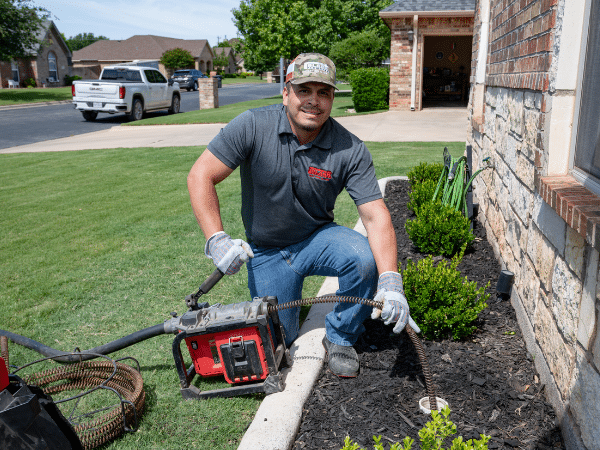
In Snyder neighborhoods, these calls demand urgent response. Delaying urgent plumbing repair Snyder homeowners only increases health risks and cleanup costs.

Overflowing Toilets and Main Line Clogs

A single clogged toilet is one thing. Multiple fixtures overflowing at once point to a main line failure. Wastewater can spread across floors and into adjacent rooms quickly. Repeated overflows are a warning sign of a system-wide issue. 

Continued flushing or DIY fixes often make the situation worse. Professional Snyder plumbing services provide system-level diagnostics and safe, fast resolution.

Water Heater Failures

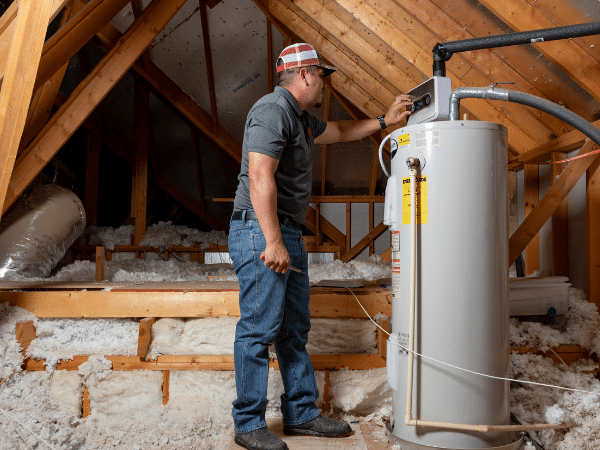
Water heater emergencies often involve leaking tanks, loss of hot water, rumbling noises, or pressure problems. Pressurized tanks and failing temperature relief valves create safety risks, while leaking units can cause significant water damage. 

Fast response from 24/7 plumbing Snyder professionals minimizes damage and restores safety. Black Plumbing handles emergency repairs and code-compliant replacements with efficiency and care.

Why DIY Fixes and Delays Cost Snyder Homeowners More

Time is the most expensive factor in a plumbing emergency. From Black Plumbing’s experience, water damage escalates from manageable to severe in hours, not days. Within minutes, water can soak into drywall and flooring. Within twenty-four hours, mold growth and indoor air quality concerns can begin.

Electrical hazards increase when water reaches outlets, panels, or appliances. Insurance complications also arise when mitigation is delayed, as insurers often expect a prompt professional response to limit damage.

DIY fixes frequently worsen emergencies. Temporary pipe clamps, chemical drain cleaners, or ignored leaks often lead to larger failures that require more invasive repairs. Industry data consistently shows that water damage restoration costs rise sharply when response is delayed. According to FEMA, “taking immediate steps to address water intrusion and mitigate standing water helps reduce long-term structural damage and health risks after a flooding event.” (Source: FEMA Stay Safe Cleaning Up After a Flood)

Trust is not a marketing claim during emergencies. It is a practical requirement. Homeowners need a trusted plumber Snyder who answers the phone, arrives prepared, explains the issue clearly, and fixes it correctly the first time.

Real Emergency Plumbing Cases from Snyder Homeowners

As seen in Nicole Alonzo’s Google review, her home faced a septic emergency that could not wait. Black Plumbing responded immediately and resolved the issue the same day. Nicole shared that the team “went above and beyond” and did not hesitate to help. The outcome was fast restoration and relief during a stressful situation, reinforcing the value of responsive, local emergency service.

In a Google review by Wes Roberts, he described an emergency call answered on a Sunday morning. Kolter, our expert technician, handled the repair quickly and at a cost far lower than expected. Wes noted that Kolter “saved the day,” highlighting fair pricing, professionalism, and reliability when it mattered most.

These real-world experiences show consistent performance, responsiveness, and professionalism across different emergency situations. They provide tangible proof of reliability backed by verifiable customer feedback.

Comprehensive Snyder Plumbing Services Available Around the Clock

With over thirty years of service, Black Plumbing provides reliable emergency plumbing repair throughout Snyder, TX. We offer comprehensive plumbing services using modern, non-invasive methods and advanced diagnostic equipment to ensure accurate, durable repairs that protect your home’s foundation. 

Our approach focuses on transparent pricing, expert consultations, and customer satisfaction. Whether you need immediate help or proactive solutions, you can consult with local experts who know Snyder homes. Learn more about our company’s history, values, and long-standing commitment to Snyder homeowners.

When you need help fast, scheduling is simple. You can request service at a time that works for you.

FAQs

What qualifies as a plumbing emergency?

Any issue that risks property damage, health hazards, or system failure, such as leaks, backups, or loss of water.

Should I shut off the water before calling an emergency plumber?

Yes, if it is safe to do so, shutting off the main valve can reduce damage until help arrives.

Are emergency plumbing repairs more expensive?

Emergency service may cost more initially, but fast repairs often prevent far higher damage costs.

Can slab leaks really damage my foundation?

Yes. Untreated slab leaks weaken concrete and soil support over time.

Do plumbers handle emergencies at night or on weekends?

Yes. Trusted emergency plumbers provide 24/7 response when needed.

Top Plumbing Repairs Every Snyder Homeowner Should Know

The plumbing repair Snyder homeowners deal with is rarely caused by one sudden failure. Older plumbing systems, mineral-heavy hard water, and frequent temperature swings quietly wear down pipes, valves, and fixtures over time. What starts as a small drip or slow drain often turns into water damage or an unexpected shutdown. 

Understanding common plumbing issues, the early warning signs, realistic repair costs, and practical prevention steps helps protect your home and budget, and makes it clear when calling emergency plumbing professionals is the safest move.

Common Plumbing Repairs in Snyder Homes: What We See Every Week

Snyder homes face a unique mix of plumbing challenges. Hard water accelerates internal wear. Aging pipe materials weaken over time. Seasonal temperature changes cause expansion and contraction that strain fittings and joints. Add slab foundations into the mix, and leaks often stay hidden until real damage is underway.

At Black Plumbing, our work across Snyder is built on decades of hands-on service calls, inspections, and emergency responses. Many problems start small but escalate fast when ignored.

Leaking Faucets and Fixtures

Hard water, common in West Texas, wears down faucet washers, cartridges, and seals faster than many homeowners expect. Over time, mineral buildup causes stiffness, dripping, or internal valve failure.

Common problems include:

  • Dripping kitchen and bathroom faucets
  • Outdoor hose bib leaks
  • Shower valve and diverter failures

Minor faucet repairs are usually affordable when caught early. Full fixture replacement may be needed when internal corrosion or outdated parts prevent proper sealing.

Prevention tips

  • Schedule annual plumbing inspections.
  • Regulate household water pressure.
  • Address drips immediately instead of waiting.

Emergency Plumbing Situations We Respond to Most Often

Emergency plumbing homeowners call us for rarely happens without warning. Freezing temperatures, sudden pressure spikes, or hidden pipe failures often trigger urgent situations.

We frequently respond to:

  • Burst or cracked pipes
  • Sewer backups into sinks, tubs, or floor drains
  • No-water or no-hot-water emergencies

Texas winter freezes, and pressure fluctuations place added stress on plumbing systems, especially in older homes. Fast response protects flooring, cabinetry, and structural materials from long-term damage.

Clogged Drains and Sewer Line Backups

Clogs in Snyder homes range from simple blockages to serious sewer line failures.

Typical causes include:

  • Kitchen grease buildup.
  • Hair and soap accumulation in bathroom drains.
  • Tree and vegetation roots are invading sewer lines.

Costs vary depending on severity:

  • Basic drain cleaning for surface clogs.
  • Camera inspections to locate deeper blockages.
  • Sewer line repairs are required when roots or pipe damage are involved.

Prevention tips: Follow routine drain maintenance schedules and avoid flushing wipes, grease, or hygiene products.

Professional tools used: Hydro jetting and video camera inspections allow accurate diagnosis and targeted repairs.

Water Heater Repair and Replacement in Snyder Homes

Mineral-heavy water causes sediment to collect at the bottom of water heaters, reducing efficiency and shortening lifespan. Tank and tankless systems each have different maintenance needs. 

Common issues include:

  • Insufficient hot water
  • Rumbling or popping noises
  • Temperature inconsistency

Prevention: Annual flushing and anode rod inspections help extend system life. DIY repairs create serious safety risks due to pressure, gas, and electrical components.

Low Water Pressure and Pipe Corrosion

Many older Snyder homes still contain galvanized piping, which corrodes internally over time.

Warning signs include:

  • Weak showers
  • Inefficient appliance operation

Costs range from targeted spot repairs to full repiping. Pressure regulators, water quality testing, leak detection equipment, and pressure diagnostics help identify the safest solution.

Slab Leaks and Underground Pipe Failures

Slab leaks are one of the most serious plumbing problems in Snyder homes built on concrete foundations.

Warning signs include:

  • Warm or damp flooring
  • Unexplained increases in water bills
  • Reduced water pressure

Early detection using specialized equipment limits foundation damage and repair costs. Slab leak repairs should always be handled by licensed professionals due to structural risk.

Toilet Repairs and Sewer Gas Odors

Running toilets, failed wax rings, and damaged seals can waste water and allow sewer gas odors into the home.

Common repairs include:

  • Internal rebuilds
  • Toilet replacement
  • Seal and flange repairs

Routine inspections prevent hidden leaks and odor issues from worsening.

Water-Saving Plumbing Upgrades

Popular options include:

  • Low-flow toilets
  • High-efficiency faucets and showerheads

According to the Texas Water Development Board, water-efficient fixtures can significantly reduce residential water consumption while supporting long-term sustainability goals. These improvements protect resources while lowering monthly expenses and supporting environmental responsibility.

Real Plumbing Repair Cases from Snyder Homeowners

In a Google review, Jonathon Davis described a below-slab drain leak that required timely and careful repair. Doug, one of Black Plumbing’s experienced technicians, led the project while maintaining clear communication throughout the process. Jonathon noted that the team explained each step, documented the work, and left the job site clean at the end of each day. He shared that the repair was completed efficiently and said he would “definitely recommend them” for timely plumbing service.

Another Google review from David Smith highlights a clogged toilet drain that turned out to be far more complex. During service, Black Plumbing technicians discovered vegetation roots had invaded the drain line. Eric, a Black Plumbing technician, completed multi-day repairs that included clearing the blockage, repairing the line, replacing floor fittings, and installing a new toilet. David emphasized the team’s professionalism and courtesy, stating that Black Plumbing would continue to be his “go-to plumbing service.”

Home Plumbing Tips Snyder Homeowners Should Know

Preventive maintenance reduces emergency plumbing calls and extends system life. Simple habits make a measurable difference.

  • Check under sinks, around toilets, and near water heaters monthly
  • Never flush wipes, grease, or hygiene products
  • Install drain strainers in showers and tubs
  • Test household water pressure annually
  • Flush water heaters yearly to remove sediment
  • Insulate exposed pipes during winter freezes
  • Schedule annual inspections with licensed plumbers serving Snyder

Consistent maintenance lowers repair costs and protects your home’s plumbing system year-round.

Get a FREE Estimate: Your Trusted Partner for Plumbing in Snyder

With over thirty years of service, Black Plumbing has built a reputation for dependable plumbing repair that Snyder homeowners can trust. We provide comprehensive plumbing services in Snyder using modern diagnostic equipment, non-invasive repair methods, and transparent pricing. Our team focuses on durable solutions that protect your home’s foundation, water efficiency, and long-term value.

If you need expert guidance, accurate estimates, or fast scheduling, consult with local professionals who understand Snyder plumbing systems. Schedule service to book an appointment that fits your schedule.

FAQs

How do I know when plumbing issues require emergency service?

Active leaks, sewer backups, or loss of water should be addressed immediately to prevent property damage.

What causes slab leaks in Snyder homes?

Soil movement, pipe corrosion, and pressure changes beneath slab foundations are common causes.

Are water heater repairs safe to do myself?

No. Water heaters involve pressure, gas, or electricity and should be serviced by licensed professionals.

How often should drains be professionally cleaned?

Most homes benefit from preventive drain cleaning every one to two years.

Can hard water damage plumbing fixtures?

Yes. Mineral buildup accelerates wear on valves, seals, and internal components.

How to Spot Hidden Water Leaks in Snyder Homes

Slab leaks occur when water lines running beneath a concrete foundation begin to crack or corrode, allowing water to escape below your home. In Texas, where many homes are built on slab foundations, these leaks are especially problematic because they stay hidden while causing rising water bills, damp or warm floors, and long-term structural risk. That is why leak detection in Snyder matters. 

At Black Plumbing, we bring decades of hands-on experience helping homeowners uncover hidden water leaks early, saving money, reducing stress, and protecting their property before minor issues become major repairs.

Leak Detection in Snyder: How to Spot Issues

Leak detection in Snyder comes with local challenges. Much of West Texas has clay-heavy soil that expands when wet and contracts during dry periods. Over time, this movement puts stress on underground water lines, especially those running beneath slab foundations. Since most Texas homes are built directly on concrete slabs, even a small leak below the surface can waste hundreds of gallons of water per day.

Common causes of hidden leaks include aging pipes, corrosion, fluctuating water pressure, and temperature changes that cause pipes to expand and contract. In many cases, standard home inspections miss these problems entirely. Visual checks alone cannot confirm what is happening under the concrete.

That is why professional leak detection services matter. Licensed plumbers use specialized diagnostic tools designed to locate leaks without tearing up floors or walls. Early detection helps prevent water damage, protects the foundation, and avoids expensive structural repairs that can result from long-term leaks beneath the slab.

Signs of Hidden Water Leaks in Snyder

Hidden leaks often leave clues if you know what to look for. Here are the most common warning signs Snyder homeowners should never ignore:

  • Unexplained Spikes in Water Bills: If your water usage suddenly increases without a change in routine, a pressurized supply line leak may be the cause. These leaks can run nonstop behind walls or under slabs.
  • Warm or Cool Spots on Floors: Unexpected temperature changes in tile or concrete floors may indicate a hot or cold water line leaking beneath the slab.
  • Constant Running Sounds: Hearing water movement when all fixtures are off is often early acoustic evidence of a hidden leak.
  • Low or Fluctuating Water Pressure: A damaged supply line can disrupt consistent pressure throughout the home.
  • Damp Odors, Mold, or Warping: Moisture trapped under floors or behind cabinets creates conditions for mold growth and structural damage.
  • Foundation Cracks or Uneven Floors: Long-term leaks can erode soil beneath the slab, leading to cracks and shifting that require immediate professional attention.

If you notice any of these signs, it is time to contact a licensed plumber rather than relying on guesswork.

How Snyder Plumbing Services Handles Leaks

Leak Detection Snyder

DIY methods rarely detect hidden water leaks accurately. Professional plumbing services rely on advanced diagnostic techniques to pinpoint the problem before recommending repairs.

Tools and Techniques Used by Professionals

  • Acoustic Leak Detection: Sensitive listening devices identify the sound of pressurized water escaping pipes.
  • Infrared and Thermal Imaging: These tools detect heat patterns caused by hot water leaks beneath slabs.
  • Moisture Meters and Pipe Tracing: Used to confirm leak locations and eliminate false readings.
  • Pressure Testing: Measures pressure drops that indicate hidden line breaks.

Slab Leak Repair Options

Once detected, plumbers determine the least disruptive repair method. This may include rerouting water lines, targeted slab access with precise sealing, or repiping when necessary. All work is performed to code and designed to protect your home’s foundation.

Benefits of Professional Leak Detection in Snyder

Professional detection protects home value, prevents mold growth, reduces utility bills, and minimizes long-term structural damage.

Real Leak Detection Case Studies From Snyder Homes

These experiences reflect how hidden leaks are often discovered only through careful inspection and experienced judgment. In a Google review, Dana Ferrel described calling Black Plumbing about two suspected leaks: one under her kitchen sink and another in her heating and cooling closet. Josh W., an expert technician at Black Plumbing, arrived the next morning and identified a hidden pipe that had been partially cut during a previous remodel and covered up. Dana noted that Josh “took pictures throughout the process” and explained each step before moving forward. Both leaks were repaired the same day, and she emphasized his professionalism, communication, and thorough cleanup.

A similar level of precision appears in Tom Buvik’s Google review, where a sudden kitchen leak was initially difficult to pinpoint. Through a methodical process of elimination, Matt from Black Plumbing identified the issue as a failing refrigerator shut-off valve and was able to isolate it without shutting off water to the entire home. The following morning, technicians Triston and Case completed the repair by carefully accessing the pipe through drywall, securing the area afterward, and leaving the space clean. Tom emphasized the team’s speed, respect for his property, and dependable results, ultimately describing himself as “a customer for life.”

These real cases show how accurate diagnostics, clear communication, and efficient repairs protect Snyder homes from unnecessary damage.

Prevent Water Damage Snyder: Tips Every Homeowner Should Use

Preventing water damage in starts with awareness and routine checks, but professional detection remains the most reliable safeguard.

  • Perform Regular Visual Inspections: Check under sinks, behind appliances, and around water heaters for moisture, corrosion, or mold odors.
  • Test Your Water Meter: Turn off all water fixtures and check the meter. If it moves, you may have a hidden leak. According to the EPA, “checking your water meter is one of the simplest ways to detect hidden leaks.” (Source: EPA Fix a Leak Week)
  • Use Smart Leak Sensors: Flow monitors and moisture sensors can alert you to leaks before visible damage occurs.
  • Schedule Annual Professional Inspections: Routine inspections by Black Plumbing help identify early signs of slab leaks and aging pipes.

If you suspect a leak or want peace of mind, schedule professional leak detection in Snyder before minor issues turn into major repairs.

Stop the Leak Anxiety: Call Snyder’s Most Trusted 24/7 Plumbing Pros

With over thirty years of service, Black Plumbing has earned a reputation as one of the most trusted plumbing professionals in Snyder, TX. We provide comprehensive plumbing services using non-invasive detection methods, modern equipment, and transparent pricing. Our team focuses on accurate diagnostics, durable repairs, and protecting your home’s foundation long term. Learn more about our service history and commitment to quality on our About Us page.

If you are ready to stop water damage before it spreads, do not wait. Schedule service with trusted emergency plumbing professionals and speak with local experts who put your home first.

FAQs

How do I know if I have a slab leak in my Snyder home?

Common signs include high water bills, warm floor spots, and running water sounds when fixtures are off.

Can hidden leaks cause foundation damage?

Yes. Long-term leaks can erode soil under the slab and lead to cracks or uneven flooring.

Are slab leaks detectable without breaking concrete?

Licensed plumbers use acoustic and thermal tools to locate leaks with minimal disruption.

Should I try DIY leak detection first?

Basic checks help, but professional detection is necessary for accurate results.

How fast should leaks be repaired?

Immediately. Delaying repairs increases water damage and repair costs.

Common Causes of Clogged Drains in Snyder Homes

Texas weather isn’t easy on your plumbing. In Snyder, constant shifts between dry heat and heavy rain make soil expand and contract, pushing sediment, grease, and even small roots into your plumbing lines. Over time, that buildup causes slow water flow, foul smells, and costly damage beneath the surface. Ignoring it doesn’t just strain your plumbing; it also wastes water and drives up repair bills. With regular drain cleaning, Snyder homeowners can protect their plumbing, prevent backups, and avoid expensive repairs. 

You’ll learn how to spot early warning signs, use simple prevention tips, and know when to call trusted local experts for help.

Red Flags You Need Drain Cleaning in Snyder, TX

Some clogged drains in Snyder homes start quietly, while others announce themselves loud and clear. Knowing the early warning signs can save you time, money, and headaches.

Slow Draining Sinks

If your sink or tub fills faster than it empties, something is clogging the line. Hair, soap scum, grease, and sediment can build up along the walls of your pipes, narrowing the passage until water struggles to pass through. You might notice standing water or hear faint gurgling as it drains, both are signs of a partial blockage. Ignoring it wastes water and strains your plumbing system.

Backed-Up Toilets

A toilet that won’t flush properly or backs up regularly isn’t just inconvenient; it’s a serious warning sign. Repeated backups often mean there’s a blockage deep in the main sewer line. Left unchecked, that clog could lead to raw sewage backing into your home, creating major health risks and property damage. If your toilet seems to fight you every time you flush, it’s time to call a licensed plumber right away.

Foul Odors

Ever caught a musty or sewer-like smell coming from your drains? That odor usually means something unpleasant is brewing below the surface. Food waste, grease, or bacteria can collect in your pipes, forming a biofilm that emits strong, unpleasant odors. In some cases, a vent pipe issue may be trapping sewer gas inside the line. Either way, it’s not a problem that’ll go away on its own.

Strange Noises

You flush, and suddenly the pipes seem to talk back. That “glug-glug” sound isn’t random; it’s air trapped by a clog. When water tries to move past the blockage, it forces air pockets to bubble through, creating that gurgling noise. Think of it as your plumbing’s early warning system. Those sounds often come before bigger issues like backups or pressure bursts.

Multiple Clogs

If your sink, shower, and toilet all start draining slowly around the same time, the problem likely runs deeper, your main sewer line. A clog there can cause wastewater to back up across multiple drains, creating unsanitary and stressful conditions quickly. When more than one fixture is acting up, it’s a clear signal that you need professional attention immediately.

Small warning signs often grow into big problems if ignored. A quick inspection or cleaning now can save you hundreds in repairs later and extend the life of your plumbing system. Call 325-675-8391 or schedule a service appointment with Black Plumbing today

How to Prevent Drain Clogs in Snyder

Clogs don’t happen overnight. They build up slowly as grease, soap, and debris accumulate in your pipes. Here’s how to keep your drains clear and avoid unexpected plumbing issues.

DIY Tips for How to Clear a Drain

  • Boiling Water Flush (for metal pipes only): Boil a pot of water and carefully pour it down your kitchen sink in small stages. The hot water helps dissolve grease and loosen buildup. Just skip this method for PVC pipes, which can soften under extreme heat.
  • Baking Soda and Vinegar Mixture: Pour one cup of baking soda, followed by one cup of vinegar, into the drain. The fizzing reaction breaks down grime naturally. After ten minutes, rinse with hot water to clear residue. It’s a safe, eco-friendly option that works for mild clogs.
  • Use a Plunger: For stubborn sinks or tubs, grab a plunger. Create a tight seal over the drain and plunge firmly several times. Consistent, swift motions create suction that can dislodge trapped debris.
  • Drain Snake or Wire Hanger (use gently): For deeper clogs, a small drain snake or even a straightened wire hanger can reach and pull out hair or gunk. Be gentle, scratching your pipes could cause more harm than good.
  • Remove and Clean the P-Trap: Place a bucket under your sink’s curved P-trap, unscrew it carefully, and remove debris or sludge. Clean the trap thoroughly before reassembling. Always wear gloves and have towels handy.
  • Use Commercial Drain Cleaners Wisely: If you turn to store-bought drain cleaners, use them sparingly. Harsh chemicals can corrode pipes and harm the environment. Look for enzyme-based or biodegradable options instead.

Routine habits help, but for tough buildup you and I can’t reach, professional drain cleaning Snyder keeps lines clear and prevents repeat clogs.

Signs You Need to Call Emergency Drain Repair in Snyder

Sometimes, a plunger or homemade mix just won’t cut it. When problems persist or worsen, it’s time to call in the experts for emergency drain repair in Snyder. Acting fast prevents serious damage and keeps your home safe.

  • Recurring Clogs: If a drain keeps clogging even after you’ve cleared it, there’s probably a bigger issue deeper in your plumbing system. This could be caused by tree roots, collapsed pipes, or grease buildup in the main line.
  • Multiple Drains Clogged Simultaneously: When several drains back up at once, it’s rarely a coincidence. It usually means a blockage in the main sewer line, a situation that requires immediate professional help.
  • Slow Drainage Across the Home: If every drain in your house seems to take forever, your plumbing network might be struggling with buildup or aging pipes that need inspection and cleaning.
  • Foul Odors Emanating from Drains: If cleaning your drains doesn’t eliminate bad smells, the issue could be in your sewer line. Only professional tools and inspection cameras can locate and fix the root cause.
  • Unusual Noises from Pipes: Bubbling or gurgling sounds after flushing or draining suggest trapped air and a blockage deeper down the line.
  • Water Backing Up in Unexpected Places: If flushing the toilet makes water rise in the shower or bubble in another drain, your plumbing is interconnected, and it’s clogged.
  • Drain Repair for Visible Damage or Leaks: Leaks, puddles, or cracks near drains signal pressure buildup or pipe corrosion. Ignoring them risks structural damage.

When you spot these signs, it’s time to bring in a trusted Snyder plumber. Professionals have the equipment, training, and experience to locate and fix serious drain issues safely and effectively. Acting early keeps your home protected and your plumbing system running smoothly.

Drain Disaster? Call Us! 24/7 Solutions for Snyder Plumbing Problems

When your drains stop working, you need someone who understands Snyder homes. Black Plumbing brings years of experience and local expertise to every job, from routine drain cleaning to full plumbing system replacements. Our team offers comprehensive plumbing services and specialized drain services in Snyder.

Our team responds fast, offers fair pricing, and delivers dependable service every time. Whether it’s midnight or midday, we’re ready to help.

Call us at 325-675-8391 or schedule your plumbing appointment today and keep your drains and your day running smoothly.

Tank vs. Tankless Water Heaters: Snyder Homeowner’s Guide

Tank vs. tankless water heater in Snyder: choosing the right system isn’t just about hot water; it’s about comfort, cost, and convenience in your daily life.. The decision between a traditional tank and a tankless model can shape how efficiently your home runs and how much you spend on energy every month. 

Choosing the wrong one could mean running out of hot water during a busy morning or overpaying for heat you don’t use. Understanding the strengths and trade-offs of each option helps you make a confident choice that fits your family’s routine, budget, and long-term goals.

Tank vs. Tankless Water Heater in Snyder: A Detailed Comparison

Every Snyder home relies on consistent hot water for showers, laundry, and cooking. But not all systems work the same way. When comparing water heating options available to Snyder homeowners, understanding how each one functions will help you find what fits your family’s needs, budget, and lifestyle.

Tank Water Heaters

Traditional tank water heaters store hot water in a large insulated tank and keep it ready for use. They’re the most common system you’ll find in older or established homes across Texas.

The tank fills with water and heats it to a set temperature using gas or electricity. The water remains hot until needed, but even when you’re not using it, the heater keeps cycling on and off to maintain that temperature. That constant reheating leads to what’s known as standby heat loss.

Benefits of Tank Water Heaters

  • Lower Upfront Cost: If you’re on a tight budget, tank systems are appealing. Basic electric models start around $400–$600, while gas units range between $600–$900. With installation, the total cost typically falls between $1,200–$2,000, making them an affordable option for most households.
  • Simple Installation: Tank units use standard plumbing and gas connections. Replacements are quick and straightforward, often completed in just a few hours.
  • Reliable for Simultaneous Use: Have a couple of bathrooms running at once? Tank systems are ideal for moderate usage patterns in small to mid-sized homes.
  • Fast Hot Water Delivery: When the tank is near your main fixtures, you’ll get hot water faster than most tankless systems without recirculation.
  • Easy Maintenance: Parts are common, technicians are familiar with the design, and repairs are generally quick and inexpensive.

You’ll also find hybrid electric heat pump water heaters gaining popularity across Texas for their high efficiency and eco-friendliness. These models can cut energy use by up to 73% and may qualify for federal tax credits and local rebates

Disadvantages of Tank Water Heaters

  • Standby Heat Loss: They keep heating water even when it’s not in use, wasting 10–20% of energy yearly.
  • Limited Supply: Once you drain the tank, you wait for it to refill and heat again, frustrating during high-demand times.
  • Bulky Size: These units need dedicated space, like a closet or garage corner.
  • Shorter Lifespan: Expect 8–15 years of service, sometimes less with hard Texas water.
  • Leak and Flood Risks: A ruptured tank or faulty valve can cause costly water damage if unnoticed.

Tankless Water Heaters

Tankless water heaters are becoming increasingly popular in Texas homes, and for good reason. Instead of storing hot water, they heat it on demand using high-powered gas burners or electric elements. You get continuous hot water when you need it, without the energy waste of a storage tank.

According to the U.S. Department of Energy, tankless models can reduce energy costs by 24–34% in households using under 41 gallons per day.

Pros of Tankless Water Heaters

  • Energy Efficiency: Tankless systems heat water only when needed, eliminating standby losses. Many models carry ENERGY STAR® certification and can cut energy bills by up to 30%, while also qualifying for tax credits and state incentives, making them one of the most energy-efficient water heaters that Snyder residents can choose for long-term savings.
  • Unlimited Hot Water: Perfect for larger families or back-to-back showers. Most models deliver 2–5 gallons per minute, depending on fuel type and size.
  • Compact Design: Mounted on a wall, they free up valuable floor space, great for smaller Snyder homes or apartments.
  • Long Lifespan: Expect 20+ years of service with proper maintenance, roughly double that of tank units.
  • Lower Operating Costs: Though more expensive upfront, long-term energy savings and reduced repairs often balance the investment.

Tankless Water Heater Drawbacks

  • Higher Upfront Cost: Expect $2,500–$4,500+ for the unit and installation.
  • Flow Rate Limitations: Using multiple appliances at once may strain output if the unit isn’t properly sized.
  • Retrofitting Costs: Older homes may need gas line or electrical upgrades ($500–$1,500).
  • Inconsistent Temperatures at Low Flow Rates: Some models struggle with very low flow rates.
  • Delayed Hot Water: Water can take a few seconds longer to reach temperature compared to tanks.

Tank vs Tankless Water Heater Comparison Snyder

FeaturesTank Water HeaterTankless Water Heater
Initial Cost$1,200–$2,000$2,500–$4,500+
Energy EfficiencyModerate (60%–70%)High (up to 98%)
Hot Water SupplyLimited to tank sizeUnlimited (on-demand)
Size & InstallationLarge, floor-standingWall-mounted, space-saving
Lifespan10–15 years20+ years
MaintenanceFlush 1–2x/yearDescale annually 
Ideal ForSmaller homes, budget buyersBig families, energy-conscious homeowners

Tank vs. Tankless in Snyder: Which One is Best for Your Home?

Every home in Snyder is different, so the best water heater option depends on your lifestyle, family size, and long-term plans. Here’s a simple way to decide what fits you best:

Tank water heaters are great if you:

  • Want a lower upfront cost and a quick, simple installation.
  • Have moderate hot water needs (one to two bathrooms).
  • Prefer a tried-and-true system that’s easy to service.
  • Live in an area with frequent power outages and prefer gas models.
  • Already have plumbing designed for a tank system.

Tankless water heaters are ideal if you:

  • Have a larger family or use hot water throughout the day.
  • Want energy savings and lower monthly bills.
  • Have limited space and need a compact unit.
  • Plan to stay in your home long term and want lasting performance.
  • Appreciate modern convenience and continuous hot water.

If you’re still unsure which system makes the most sense for your home, the best move is to schedule a professional consultation. A licensed technician can assess your water usage, space, and energy goals to recommend the perfect system for your home.

Call Snyder Home Plumbing Specialists for Hot Water Needs

When your hot water suddenly stops, or your system can’t keep up, you need a local plumbing team that knows exactly what to do. For over 30 years, Black Plumbing has been helping Snyder homeowners stay comfortable with reliable and affordable plumbing solutions. Our licensed and certified technicians are known for quality workmanship and honest service across West Texas.

We specialize in installing and upgrading tank and tankless water heaters from trusted brands. Whether you need tank water heater repair and installation or tankless water heater services, we’ve got you covered. Available 24/7 for emergencies, we handle every job with precision and a focus on long-lasting results.

We believe in transparent communication and 100% customer satisfaction with no surprises, just dependable solutions. Call us at 325-675-8391 or schedule your appointment online to book a time that works best for you. 

Preventing Leaks and Corrosion in Snyder Water Heater Tanks

A small drip under your water heater might not look like a big deal at first, but that slow leak can quietly turn into a flooded floor, rusted tank, or a sudden breakdown that leaves you without hot water when you need it most. Repairs and replacements aren’t cheap, and the longer you wait, the more expensive the problem becomes. That’s why water heater tank leak prevention in Snyder matters so much; it’s the key to avoiding unexpected damage, wasted energy, and costly fixes. 

By catching early warning signs and keeping up with simple maintenance, you can extend your system’s life and keep it running efficiently. Stick with practical steps that make sense for your home and budget, and you’ll know exactly how to stop leaks and corrosion before they start.

Why Protect Your Water Heater in Snyder

If you live in Snyder, you’re familiar with hard water. The mineral-rich water supply common in Texas can leave behind layers of sediment in your water heater tank. Over time, that buildup settles at the bottom and starts causing issues, like reduced heating efficiency, odd noises, and eventually, corrosion.

Here’s why keeping your water heater clean and protected matters:

  • Lower Energy Bills: A sediment-free tank heats faster and uses less power, helping you save money every month.
  • Longer System Lifespan: Sediment and rust are a slow burn for your tank. Routine maintenance can add 3–5 years of life to your system.
  • Better Water Quality: No more rusty, cloudy, or bad-smelling water.
  • Safer, Quieter Operation: Without buildup, your water heater won’t rumble or overheat.

Regular cleaning and inspections not only help you maintain manufacturer warranties; they also ensure your family’s comfort and safety year-round.

Common Causes of Water Heater Tank Leaks

Even the best water heaters can develop leaks over time. Understanding why it helps you prevent the same issues from happening again.

  • Corrosion of the Tank: Rust is the number one culprit. Once corrosion eats through the tank’s lining, leaks are inevitable, especially in older units.
  • Loose or Faulty Connections: Fittings, valves, or pipe joints can loosen from vibration or pressure changes, letting water slowly escape.
  • High Water Pressure: Too much pressure inside the tank puts stress on seams and valves, leading to cracks or bursts.
  • Cracks in the Tank: Years of heating and cooling cause metal fatigue. Those small fractures grow and eventually start leaking.
  • Drain Valve Issues: If the drain valve is damaged or not tightened properly after maintenance, it can drip constantly.
  • Sediment Build-Up: In hard-water areas like Snyder, sediment collects quickly. It eats away at the tank lining and causes overheating.
  • Aging Water Heater: All appliances have a lifespan. If your water heater is 8–12 years old, it’s more likely to fail without warning.

If you notice puddles, rusty water, or unusual sounds, act fast. A quick inspection can prevent costly replacements and protect your home from unexpected water damage.

Tips for Water Heater Tank Leak Prevention Snyder

Looking for Snyder plumbing tips that actually save you money? Effective water heater leak prevention in Snyder starts with consistent maintenance. A little effort each year can mean years of extra performance and fewer repair bills.

  • Timely Drain Valve Repair: A working drain valve keeps your tank clean. If you notice dripping, tighten or replace it right away. A functional valve makes annual flushing easier and helps prevent long-term water damage.
  • Flush the Tank Annually: Sediment at the bottom of your tank acts like an insulator, forcing your heater to work harder. Flushing the tank once a year removes debris, improves efficiency, and prevents overheating.
  • Replace the Anode Rod: The anode rod is your tank’s built-in bodyguard and a must-have for corrosion prevention in Snyder. It attracts corrosive minerals, so the tank doesn’t have to. Check it every two years and replace it when it’s heavily corroded.
  • Check for Rust and Corrosion on the Tank: If you see rust on the outside of your tank or notice discolored water, don’t ignore it. A professional plumber can clean or patch minor rust spots before they turn into leaks.
  • Test the Pressure Relief Valve (PRV): This valve prevents dangerous pressure buildup inside the tank. Lift the lever gently once a year to make sure water flows freely. If it doesn’t, call for a replacement.
  • Adjust the Thermostat to Prevent Overheating: Set your water heater to around 120°F. Higher temperatures create excess pressure and speed up corrosion.
  • Insulate the Tank and Pipes: Insulation helps retain heat, reduces condensation, and minimizes strain on your tank. Use proper insulation wraps and follow manufacturer recommendations.

When to Call for Water Heater Maintenance in Snyder

You can handle minor maintenance tasks, but there are times when professional service is the safer choice.

Call a licensed plumber if:

  • Heavy sediment or thick sludge that does not flush out.
  • Visible corrosion, leaks, or rust around the tank or valves.
  • A malfunctioning pressure relief or anode rod.
  • Sediment reappears quickly after cleaning.
  • Suspected gas line, venting, or electrical problems.
  • Limited mobility or safety concerns during maintenance.
  • Compliance or warranty requirements that require certified service.

Working with an experienced plumber protects your investment and ensures everything runs safely. And if your water heater is nearing the end of its life, check out when to replace your water heater tank in Snyder to know when it’s time for a new one.

Black Plumbing: Your Go-To Water Heater Pros Serving Snyder, TX

For more than 30 years, Black Plumbing has been helping homeowners in Snyder and nearby Texas communities with reliable, affordable plumbing solutions. Our licensed technicians handle everything, from tank-style water heater repair and installation to tankless water heater service, for all major brands and models.

We’re available 24/7 for emergency water heater issues, offering durable repairs, transparent communication, and a satisfaction guarantee. Whether it’s routine maintenance or a full replacement, our experienced team is ready to help you protect your home and restore your comfort quickly.

Ready to protect the water heater that Snyder homes depend on? Call us at 325-675-8391 or schedule your plumbing appointment online today.

When to Replace Your Water Heater Tank in Snyder, TX

If your showers are getting colder faster, your water heater is making strange noises, or you’re seeing puddles near the base of the tank, it might be time to ask yourself if your old water heater inSnyder may be nearing the end of its life. Many homeowners don’t realize how much energy and money they lose when a worn-out unit keeps struggling to do its job. A timely water heater replacement in Snyder not only prevents damage and inconvenience but also boosts efficiency and comfort throughout your home.

Taking action before your unit fails saves you from expensive emergency calls and gives you peace of mind knowing your family’s daily routine won’t be interrupted.

Signs You Need Water Heater Replacement in Snyder

West Texas has its share of unique water conditions, including high mineral content that can affect your water heater’s performance over time. Snyder’s hard water accelerates sediment buildup in the tank, which can lead to corrosion, noise, and uneven heating. Knowing what to look for can help you decide when it’s time to replace your unit before it fails completely.

  • Old Water Heater Snyder: According to the U.S. Department of Energy, most traditional water heater tanks last about 8–12 years. Check your unit’s installation date on the label. If your system is over a decade old, it’s smart to start planning to replace your water heater in Snyder before it fails. Even if it still runs, older units lose efficiency and drive up energy costs as components wear down.
  • Consistent Water Heater Leaks: Inspect around the base of your tank for any moisture or puddling. Leaks often mean there’s internal corrosion, a problem that can’t be fixed once it starts. Ignoring leaks increases your risk of costly water damage. Learn more about preventing corrosion in your system.
  • Water Temperature Fluctuations: Lukewarm water, long recovery times, or hot-cold swings point to a failing tank. Snyder’s hard water speeds up mineral scale on elements and at the bottom of the tank, which reduces heating performance.
  • Unusual Noises: If your water heater pops, rumbles, or bangs, sediment has likely hardened at the bottom of the tank, reducing efficiency. This not only shortens the unit’s lifespan but also forces it to use more energy to heat the same amount of water.
  • Increases in Utility Bills: When older systems become less efficient, they require more power to maintain the same water temperature. Replacing your old unit with an ENERGY STAR®-certified model can significantly reduce energy consumption.
  • Water Discoloration or Metallic Taste: Rusty, brownish, or metallic-tasting water often points to corrosion inside the tank itself. Once that starts, repairs are rarely worth it. Replacing the tank ensures cleaner, safer water for your family.
  • Slow Hot Water Recovery: If you’re running out of hot water halfway through a shower, or if it takes too long to reheat, the tank may be deteriorating internally. That’s a key indicator that it may be time to look into tank replacement in Snyder before it quits entirely.

Tips for Water Heater Tank Replacement in Snyder

Choosing a new water heater doesn’t need to be complicated. A few smart considerations will make sure you end up with the right system for your home and budget.

  • Determine the Right Tank Size: Your household size and water usage dictate the best capacity. Most Snyder homes do well with a 40–50 gallon tank, while larger families or homes with multiple bathrooms may need more. Winters in West Texas can increase hot water demand, so plan for seasonal needs too.
  • Compare Fuel Types: Both gas and electric heaters have pros and cons. Gas models typically heat water faster and work during power outages, while electric units tend to be simpler to install and maintain. We can help you choose the option that fits your home best.
  • Prioritize Energy Efficiency: Modern systems are designed to cut waste. Consider ENERGY STAR-rated units or even heat pump water heaters, which use up to 60% less energy.
  • Evaluate Tank vs. Tankless Models: Tankless water heaters provide endless hot water and lower energy bills since they heat only when needed. Traditional tanks, however, cost less upfront. If you’re not sure which is best for you, consult our tank vs. tankless guide for Snyder homeowners.
  • Review Warranty Options: A longer warranty often indicates a more reliable system and provides extra protection against unexpected costs.
  • Consider Local Water Quality: Because Snyder’s water is hard, sediment buildup is common. Protect your new investment with regular maintenance, such as anode rod inspections or adding a water softener. These steps extend your tank’s life and maintain efficiency.
  • Hire Licensed, Local Professionals: Always work with certified experts familiar with Texas plumbing codes. A proper installation ensures safety, performance, and compliance with local regulations. If you’re searching for reliable Snyder plumbing services, our team has decades of experience and a proven track record of safe, efficient installations.

Benefits of a Water Heater Upgrade in Snyder

Upgrading your water heater isn’t just about replacing an old appliance; it’s about improving your comfort, safety, and savings.

  • Improved Energy Efficiency: Newer systems use advanced insulation and heating technology to reduce energy use, reducing monthly utility bills significantly.
  • Increased Hot Water Capacity: If your current tank struggles to meet your family’s needs, a new model with faster recovery rates ensures you’ll never have to race for the shower again.
  • Fewer Repairs: Replacing your aging unit eliminates the cycle of frequent breakdowns and service calls, saving both time and money.
  • Enhanced Safety: Outdated heaters can develop gas leaks, pressure buildup or even burst tanks. Modern systems meet strict safety standards, minimizing these risks.
  • Better Water Quality: Corroded tanks often release minerals and rust into your water supply. A new system helps restore clarity and purity to your tap water.
  • Quiet Operation: Sediment and wear can cause older tanks to rumble. With a new water heater, you’ll notice quieter performance and more stable heating.
  • Increased Home Value: A water heater upgrade in Snyder adds appeal to your property. Buyers appreciate knowing major systems are modern, efficient, and reliable, especially in the Texas housing market.

We Ensure Your Home Has Reliable Hot Water Before Winter Hits

When the temperatures drop, you need a water heater you can trust. With over 30 years of experience serving Snyder and nearby communities, our licensed team has built a reputation for dependable service, honest pricing, and quality workmanship. You can count on Black Plumbing’s comprehensive plumbing services to keep your water hot and your home comfortable all year long.

We offer tank water heater repair and installation, and tankless water heater services across Snyder, TX. Our technicians work with all major brands and are available 24/7 for emergency water heater issues. We focus on clear communication, lasting repairs, and complete customer satisfaction every time.

If your water heater is giving you trouble, don’t wait for it to fail. Call 325-675-8391 or schedule your service appointment at a time that fits your schedule.

Essential Water Heater Maintenance Tips for Snyder Residents

Ever stepped into the shower expecting a rush of warmth, only to be hit with freezing water instead? That unpleasant surprise often points to neglected upkeep. Regular water heater maintenance in Snyder isn’t just about comfort; it’s about preventing expensive breakdowns, leaks, and unnecessary energy waste.

When sediment builds up or parts wear out, your system works harder, costing you more every month. With expert care and a proven maintenance checklist, you can keep your water heater operating in top condition, avoid costly repairs, and enjoy dependable hot water whenever you need it.

Why You Can’t Ignore Water Heater Maintenance in Snyder, TX

Picture this: it’s a chilly winter morning in Snyder. You turn the shower handle expecting warmth, but instead, freezing water pours out. It’s not just uncomfortable; it’s a sign your water heater might be overdue for maintenance.

Neglecting your water heater can lead to sediment buildup, corrosion, and even total failure. Industry studies show routine water heater maintenance can extend a system’s lifespan by up to 50%, saving homeowners hundreds in energy and repair costs every year.

Regular hot water maintenance in Snyder keeps your water heater efficient and safe while preventing avoidable issues that could leave you without hot water when you need it most.

Benefits of Hot Water Maintenance in Snyder

  • Cost Savings: A well-maintained system operates efficiently, lowering your monthly energy bills and helping you avoid costly emergency repairs.
  • Extend Water Heater Life in Snyder: Catching problems early, like sediment buildup, rust, or thermostat malfunctions, keeps your unit running longer.
  • Prevent Water Heater Leaks in Snyder: Regular checks help identify weak spots, leaks, or faulty connections before they turn into dangerous water or gas issues.
  • Ensure Consistent Performance: With proper upkeep, you get steady hot water without temperature fluctuations or interruptions.

Snyder Plumbing Tips: Essential Care for Water Heaters

Whether you own a tank or tankless model, water heater maintenance in Snyder is key to keeping your system efficient and reliable. Here are the essential care steps every homeowner should know to prevent problems before they start.

  • Tank Flushing: Sediment and mineral deposits naturally build up over time, reducing efficiency and heating capacity. Flushing the tank once a year helps prevent damage and keeps your water cleaner.
  • Anode Rod Inspection: The anode rod protects your tank from rust and corrosion. If it’s worn down, replace it before corrosion spreads.
  • Check the Pressure Relief Valve: This valve prevents dangerous pressure buildup. Test it annually by gently lifting the lever, if it sticks or leaks afterward, it’s time for a replacement.
  • Inspect for Leaks: Look for water around the tank, fittings, or pipes. Even a small drip can turn into a major issue if ignored.
  • Insulate the Tank: Adding insulation improves energy efficiency and helps your system retain heat, which can make a noticeable difference in your energy bills.
  • Clean the Filters: If you have a tankless water heater, clean the filters regularly to remove impurities and maintain a steady flow.
  • Inspect the Burner and Exhaust Vent: For gas models, ensure the burner is clean and the vent is clear of debris to prevent combustion and ventilation hazards.
  • Address Hard Water Issues: Hard water can cause mineral scaling inside your heater. Installing a water softener reduces buildup and helps extend your system’s lifespan.
  • Maintain Water Pressure: Your home’s water pressure should stay between 30 and 50 psi. Too much pressure can strain your unit; too little can affect performance.
  • Schedule Professional Inspections: Even if you handle the basics, scheduling an annual inspection by a licensed technician ensures nothing is overlooked. Schedule HVAC appointments at your convenience and keep your system in reliable shape year-round.

When You Need Professional Water Heater Service

Sometimes, even the most diligent homeowner runs into issues that require expert help. Here are the signs that it’s time to call a professional plumber in Snyder:

  • Inconsistent Water Temperature: If your water suddenly turns cold or fluctuates, the heating element or thermostat could be failing.
  • Unusual Noises: Popping or rumbling sounds usually mean sediment buildup is overheating within the tank.
  • Rusty or Discolored Water: This often signals internal corrosion that needs immediate attention.
  • Water Leaks: Even a small drip can become a flood. Fix leaks fast to avoid structural damage.
  • Higher Energy Bills: A struggling water heater works harder to deliver hot water, increasing your energy costs.
  • Foul-Smelling Water: A sulfur or rotten-egg smell indicates bacterial growth, especially in older or seldom-used tanks.
  • Old System (10+ Years): Aging units lose efficiency and become more prone to leaks or malfunctions.

Attempting DIY fixes might seem tempting, but modern systems, especially gas or tankless models, require professional care. Certified technicians at Black Plumbing use specialized diagnostic tools and manufacturer-approved parts to ensure safe, efficient repairs.

Trust Snyder Plumbing Pros for Your Hot Water Needs

When it comes to reliable plumbing services in Snyder, experience matters. With more than 30 years of trusted service in West Texas, we handle everything from installations to emergency repairs with professionalism and care. Our licensed team is known for transparent communication, lasting solutions, and customer-first service.

We specialize in both tank water heater repair and installation and tankless water heater repair and installation, helping you find the best system for your home and budget. Whether you’re dealing with leaks, temperature issues, or a full replacement, we’re available 24/7 to get your hot water flowing again.

Your comfort and satisfaction come first. To book a service or inspection, schedule your plumbing appointment today or call 325-675-8391 to speak directly with a local expert who knows Snyder homes and their water systems inside and out.

Furnace Installation Tips for Lubbock Homeowners

A proper furnace installation that Lubbock homeowners can trust, often makes the difference between steady comfort and years of frustration. We have seen families cut heating costs and finally eliminate cold spots after replacing an aging furnace that was oversized and poorly vented. 

When the system is sized correctly and installed to code, you feel the improvement immediately. The focus ahead is clear, practical furnace installation tips covering energy efficiency, accurate sizing, available rebates, safety compliance, and professional installation choices that protect your home and budget.

Furnace Installation in Lubbock: Everything You Need to Know

Lubbock’s winters may not be extreme every year, but sudden cold snaps, high winds, and fluctuating temperatures put stress on heating systems. When a furnace is inefficient or improperly installed, those conditions quickly expose weaknesses. Homeowners often notice uneven room temperatures, short cycling, higher gas or electric bills, and increased wear on system components.

Many older Lubbock homes still rely on furnaces with outdated technology. Common problems we see include pilot light failures, corroded or rusted heat exchangers, inefficient burners, and aging blower motors that struggle to distribute heat evenly. These issues are not just inconvenient. A damaged heat exchanger or improper venting can introduce serious safety risks, including carbon monoxide exposure.

Professional heating services address more than just equipment replacement. Installation starts with evaluating ductwork, airflow balance, combustion air, and venting pathways. A high-quality furnace will still underperform if the system is mismatched to the home. That is why experienced installers focus on long-term performance, not just immediate heat output.

Proper furnace installation improves indoor comfort, stabilizes monthly energy costs, and reduces the likelihood of mid-winter breakdowns. When the system is sized correctly and installed to code, homeowners gain peace of mind knowing their heating system is safe, efficient, and built to last.

Selecting the Right New Furnace in Lubbock

Choosing the correct furnace type is one of the most important installation decisions. The right option depends on fuel availability, home age, efficiency goals, and budget.

  • Gas furnaces are the most common choice in Lubbock. They heat quickly, perform well in cold weather, and generally offer lower operating costs where natural gas service is available.
  • Electric furnaces are often used in homes without gas lines. They have fewer combustion-related safety concerns and simpler installation requirements, though operating costs can be higher during extended cold periods.
  • Heat pumps, including hybrid systems, provide both heating and cooling. In Lubbock’s moderate winters, they can be an energy-efficient option when paired with a backup heating source.
  • Condensing furnaces deliver high efficiency, typically above ninety percent AFUE. These sealed-combustion systems reduce heat loss and improve safety by drawing combustion air from outside the home.

High-efficiency models that meet ENERGY STAR® standards can significantly reduce heating costs over time. According to ENERGY STAR, “certified heating equipment meets strict efficiency and performance criteria designed to lower energy use and operating expenses.”
(Source: ENERGY STAR – What Makes a Product ENERGY STAR). 

For many homeowners, investing in a higher-efficiency furnace pays off through lower utility bills, quieter operation, and longer system lifespan, especially when you choose an energy-efficient furnace Lubbock homeowners can rely on for consistent winter comfort.

Energy Efficiency Ratings — AFUE

AFUE, or Annual Fuel Utilization Efficiency, measures how effectively a furnace converts fuel into usable heat. The higher the percentage, the less energy is wasted.

Most Texas homes fall into one of these categories:

  • Standard efficiency around eighty percent AFUE
  • High-efficiency systems between ninety and ninety-five percent AFUE
  • Ultra-efficient systems above ninety-six percent AFUE

Upgrading from an older eighty percent furnace to a high-efficiency unit can noticeably reduce annual heating costs, especially during prolonged cold weather. Many homeowners are also eligible for rebates and tax incentives when installing qualifying energy-efficient systems. According to the Texas Comptroller, “Texas programs provide guidance and funding options tied to efficiency improvements under the Inflation Reduction Act.”
(Source: Texas Comptroller – State Energy Conservation Office)

Efficiency gains are maximized only when the furnace is installed correctly. Poor airflow, leaky ducts, or incorrect venting can negate the benefits of a high AFUE rating.

Proper Furnace Sizing for Lubbock Homes

Correct sizing is critical to furnace performance, especially during a furnace replacement Lubbock homeowners plan after years of uneven heating or rising energy bills.

A unit that is too large will short-cycle, turning on and off frequently, which increases wear and wastes energy. A furnace that is too small will struggle to maintain comfortable temperatures during cold snaps.

Professional sizing relies on ACCA Manual J load calculations, which account for:

  • Square footage and ceiling height.
  • Insulation quality and window efficiency.
  • Local climate conditions.
  • Ductwork layout and airflow restrictions.

At Black Plumbing, our technicians perform these calculations before recommending any equipment. That precision protects comfort and efficiency from day one.

Step-by-Step Furnace Installation Best Practices

A professional furnace installation follows a structured process designed to protect safety, efficiency, and long-term system performance. Each step matters, especially in Lubbock homes where airflow, venting, and temperature swings place added stress on heating equipment.

  • Pre-installation inspection: We begin by assessing the existing furnace, ductwork condition, and overall system layout. This includes checking for airflow restrictions, gas or electrical capacity, and safety hazards such as damaged vents or outdated connections.
  • Proper furnace placement: The new furnace is positioned to allow correct airflow and safe service access. Adequate clearances are confirmed to meet manufacturer requirements and local building codes, reducing overheating and maintenance issues.
  • Venting and combustion air setup: Correct venting ensures exhaust gases exit the home safely. Combustion air pathways are verified to prevent backdrafting and carbon monoxide risks, especially in tightly sealed homes.
  • Gas and electrical connections: All connections are installed according to code. Gas lines are pressure-tested for leaks, and electrical components are grounded and protected to prevent system failures.
  • Duct sealing and insulation: Leaky ducts reduce efficiency and comfort. Sealing and insulating ductwork helps maintain consistent heat delivery throughout the home.
  • Thermostat setup and calibration: The thermostat is configured to match the new furnace’s performance, ensuring accurate temperature control and efficient cycling.
  • Safety checks and system commissioning: Final steps include ignition testing, airflow and pressure verification, and full system commissioning to confirm safe, reliable operation.

DIY furnace installations often lead to serious safety hazards, reduced efficiency, and voided manufacturer warranties. Black Plumbing technicians verify clearances, confirm sealed venting, and test air pressure and airflow to ensure every installation meets professional and safety standards.

Real Customer Installation & Service Experiences

During an HVAC service visit, Dave Reynolds described in a Google review how clear communication and professionalism made a real difference. His technician arrived on schedule, walked him through each step of the work, and used photos to explain what was happening inside the system. Dave shared that the experience felt thorough and reassuring, noting that the technician was “professional, knowledgeable… he went through everything thoroughly and explained what he was doing.” 

That same consistency shows up in long-term customer relationships. Justin Keith has relied on Black Plumbing for multiple plumbing emergencies and routine HVAC tune-ups, highlighting dependable service across different situations. He emphasized fast response times, fair pricing, and knowledgeable technicians, explaining that the team has been “quick, knowledgeable, professional, kind, and reasonably priced.” His Google review points to a key outcome many homeowners value: confidence that the system will keep running smoothly with ongoing professional care.

These real experiences demonstrate consistent workmanship, clear communication, and reliable results that homeowners can verify for themselves.

Common Furnace Installation Pitfalls and How to Avoid Them

Even high-quality furnaces can underperform or become unsafe when installation mistakes are made. Many problems we see in Lubbock homes are preventable with proper planning and professional oversight.

Improper furnace sizing

A furnace that is too large will short-cycle, turning on and off frequently and wearing out components faster. A system that is too small struggles to keep up during cold weather, leading to uneven heating and higher energy use.

How to avoid it: Always request a professional load calculation based on your home’s size, insulation, and layout before installation.

Incorrect venting and combustion air

Poor vent design or sealed combustion air pathways can cause exhaust gases to backdraft into the home, increasing the risk of carbon monoxide exposure.

How to avoid it: Verify that venting materials, clearances, and airflow meet manufacturer specifications and local safety codes.

Mismatched furnace and ductwork

Installing a new furnace without evaluating duct size and condition often leads to airflow restrictions, noise, and inconsistent room temperatures.

How to avoid it: Have ductwork inspected and resized or sealed as needed to match the furnace’s airflow requirements.

Skipping permits and safety requirements

Unpermitted installations may violate building codes and create issues with home inspections, insurance claims, or resale.

How to avoid it: Work with licensed contractors who handle permits, inspections, and code compliance as part of the installation process.

Hiring experienced professionals, requesting documented load calculations, and confirming compliance with local building and safety standards protects your comfort, your investment, and your family’s safety.

Tired of Temperature Tussles? Call Lubbock’s Trusted HVAC Pros

Black Plumbing brings over 30 years of HVAC experience, serving Lubbock homeowners with furnace installation, repair, and maintenance. Our licensed and insured technicians are trained to deliver safe, code-compliant installations tailored to your home and budget. We provide custom system design, fast response times, emergency heating services, and long-term maintenance options to protect your investment.

For expert HVAC guidance and dependable furnace installation service in Lubbock, call us at 325-675-8391 or schedule your appointment online.  You can also learn more about our company history and commitment to service.

FAQs

How long does furnace installation usually take?

Most installations are completed in one day, depending on system type and ductwork condition.

Is a high-efficiency furnace worth it in Lubbock?

Yes. High-efficiency units reduce energy waste and provide long-term savings during cold seasons.

Do I need permits for furnace installation?

Yes. Professional installers handle permitting to ensure code compliance and safety.

Can I replace just the furnace without ductwork changes?

Sometimes, but the duct condition must be evaluated to ensure proper airflow and efficiency.

How often should a new furnace be serviced?

Annual professional maintenance is recommended to maintain efficiency and safety.

Signs Your Furnace Needs Repair After Winter in Lubbock, TX

Modern winters are unpredictable, and when temperatures drop, your furnace becomes one of the most important systems in your home. In West Texas, heating systems often sit idle for long periods, then suddenly work nonstop when cold weather hits. That sudden demand exposes hidden wear, safety issues, and efficiency problems. Furnace repair services in Lubbock that homeowners rely on are often needed not after a breakdown, but when early warning signs are ignored. 

Catching problems early helps protect comfort, indoor air quality, and household safety before winter stress pushes a furnace past its limit.

Furnace Repair in Lubbock: Key Signs and Symptoms

After decades of responding to emergency heating calls across Lubbock, one pattern stays consistent. Most furnace failures do not happen without warning. Small issues build quietly, then turn into urgent breakdowns when cold weather arrives. Recognizing these signs early gives you time to schedule safe, cost-effective heating repair instead of facing a no-heat emergency.

Common Heating System Issues

  • Unusual Noises: Banging, rattling, grinding, or squealing sounds usually point to loose internal components, worn blower bearings, or airflow restrictions. These noises indicate mechanical strain that worsens with continued operation. Left unchecked, minor parts failures can damage motors or heat exchangers.
  • Inefficient or Uneven Heating: Cold rooms, uneven temperatures, or long run times often signal thermostat calibration issues, airflow blockages, or duct leaks. In Lubbock homes, dust buildup and extended summer downtime commonly contribute to these problems.
  • Rising Heating Bills: A spike in heating costs often signals that the furnace is working harder to produce the same level of heat. Dirty filters, failing blowers, burner inefficiency, or an aging heat exchanger can all reduce efficiency and drive up utility bills.
  • Weak or No Airflow: Low airflow from vents often points to clogged filters, failing blower motors, or obstructed ductwork. Poor airflow reduces comfort and increases strain on internal components.
  • Short Cycling: If your furnace turns on and off frequently, it may be overheating, misreading thermostat signals, or struggling with restricted airflow. Short cycling accelerates wear and increases operating costs.
  • Furnace Will Not Start: Ignition failures, sensor issues, electrical problems, or gas supply interruptions can prevent a furnace from starting. Repeated failed start attempts should always be addressed by a licensed technician.
  • Burner and Flame Issues: Gas furnaces should produce a steady blue flame. A yellow or flickering flame may indicate improper combustion or ventilation problems, which can raise carbon monoxide risks.
  • Foul Odors: Burning smells can point to electrical issues or dust buildup, while sulfur or rotten-egg odors may signal a gas leak. Any persistent odor requires immediate professional inspection.
  • Poor Indoor Air Quality: A malfunctioning furnace can circulate dust, allergens, and debris throughout your home. This is especially problematic for households with respiratory sensitivities.
  • System Age: Older furnaces are more prone to breakdowns, efficiency loss, and safety concerns. Repairs can extend service life, but only when problems are addressed early.
  • Carbon Monoxide Concerns: If carbon monoxide alarms activate, leave the home immediately and call a professional. Cracked heat exchangers or venting failures are serious safety hazards that require immediate attention.

Early detection saves money, prevents discomfort, and keeps your home safe throughout the colder months.

Real-World Furnace Repair Case Studies from Lubbock Homeowners

As seen in a Google review from Casey McKnight, Black Plumbing was called out for handling multiple HVAC and furnace-related repairs with a clear focus on diagnosis and honesty rather than pushing replacements. During one visit, Andrew B. replaced a failing blower motor and completed a full cabinet cleaning, taking time to do the job thoroughly. On a later furnace call, Will R. traced a suspected heating issue to improperly installed LP plumbing that was not up to code and ultimately located a gas leak at the propane tank that had been missed during earlier inspections by another provider. Casey highlighted the team’s communication and transparency, noting that they “don’t immediately push full replacement on my aging units and work with me on cost-effective repairs.”

Furnace Repair in Lubbock

Clear communication during furnace troubleshooting is another theme homeowners mention often. In a Google review, user The10827sai described calling Black Plumbing for HVAC support and working with Will R., who provided consistent updates throughout the diagnostic and repair process. The homeowner appreciated being walked through the troubleshooting steps and repair decisions instead of being left guessing about the problem. As the reviewer shared, “He provided clear updates with the entire process, such as troubleshooting steps, steps to fix, and everything in between,” reinforcing trust in both the repair outcome and the company’s approach to customer care.

Furnace Troubleshooting in Lubbock: Maintenance Tips

Consistent maintenance keeps your furnace running safely and efficiently through the colder months. Many common heating problems start with simple issues that routine care can prevent.

  • Change or Clean Air Filters: Dirty filters restrict airflow, reduce efficiency, and strain blower motors. Check filters monthly and replace them at least every ninety days, or more often during heavy use.
  • Calibrate the Thermostat: An inaccurate thermostat causes short cycling and uneven heating. Periodic calibration or upgrading to a programmable thermostat improves comfort and energy control.
  • Inspect Vents and Ducts: Blocked vents and dirty ductwork force your furnace to work harder. Keep vents clear and consider professional duct inspections if airflow problems persist.
  • Check the Blower Motor and Fan: Unusual vibrations or noises often signal blower wear. Early servicing helps prevent complete motor failure during peak heating demand.
  • Seal Air Leaks: Drafts increase heat loss and furnace workload. Sealing gaps around doors, windows, and attics helps maintain stable indoor temperatures.
  • Test Carbon Monoxide Detectors: Gas furnaces require working CO detectors. Test them regularly and replace batteries as needed for household safety.
  • Schedule Professional HVAC Inspections: Annual inspections by a licensed furnace repair Lubbock catch small issues early, verify safe combustion, and ensure all components operate correctly.

Stop Burning Cash: Lower Bills with Expert HVAC Tune-Up in Lubbock

Black Plumbing brings over thirty years of hands-on HVAC experience to Lubbock homes. Our licensed technicians are trained to diagnose furnace problems accurately and repair them safely, using modern diagnostic tools and industry-approved methods. Learn more about the company’s service history and commitment to quality.

We provide energy-efficient solutions, customized maintenance plans, and urgent same-day service when home heating issues in Lubbock cannot wait. Learn more about our full Lubbock HVAC services.

If your furnace is showing warning signs, consulting local experts early can prevent costly breakdowns and safety risks. Call us at 325-675-8391 or schedule service to book HVAC appointments that fit your schedule.

FAQs

How do I know if my furnace problem is urgent?

No heat, gas odors, unusual noises, or carbon monoxide alarms require immediate professional service.

Can a furnace run with minor issues?

It can, but small problems often lead to higher bills, reduced lifespan, and sudden breakdowns.

How often should a furnace be serviced?

Most manufacturers and HVAC professionals recommend annual inspections before winter.

Is it better to repair or replace an older furnace?

That depends on efficiency, safety, and repair history. A professional evaluation helps guide the decision.

Does furnace maintenance really lower energy bills?

Yes. Clean, well-adjusted systems operate more efficiently and waste less energy.

Common AC Problems Lubbock Homeowners Face and How to Fix Them

Lubbock summers push air conditioning systems to their limits. When temperatures climb into triple digits, even minor cooling issues can turn into major comfort and safety concerns. That is why understanding common air conditioning failures and knowing when to seek AC repair Lubbock homeowners trust is essential. 

From weak airflow to complete system shutdowns, early diagnosis protects your comfort, controls energy costs, and helps avoid emergency breakdowns during the hottest months of the year.

When You Need AC Repair in Lubbock, TX

Air conditioners account for a major share of household energy use, especially in hot climates. According to the U.S. Department of Energy, “cooling systems use about twelve percent of total electricity in U.S. homes, which makes efficiency, correct diagnosis, and timely repair critical for comfort and cost control.” (Source: U.S. Department of Energy – Air Conditioning Energy Use)

In West Texas, long run times, dust exposure, and extreme heat cause small AC issues to escalate quickly. The goal is early detection, safe steps homeowners can take, and applying AC troubleshooting Lubbock residents depend on to recognize when licensed HVAC service is needed to protect equipment and household safety.

AC Not Cooling Properly

You may notice the system is running, but indoor temperatures never reach the thermostat setting. Airflow may feel weak or lukewarm, especially in the afternoon.

Common causes include:

  • Clogged air filters from Lubbock’s dust and wind
  • Low refrigerant levels caused by leaks
  • Blocked or dirty condenser coils
  • Aging systems are struggling with prolonged heat

Troubleshooting:

  • Replace the air filter
  • Make sure all vents are open and unobstructed
  • Confirm thermostat settings
  • Clear debris from around the outdoor unit

When to call a professional

If the unit continues blowing warm air, runs nonstop without cooling, or shows signs of refrigerant loss, professional air conditioner repair in Lubbock is necessary. Refrigerant handling requires EPA-certified technicians and specialized tools.

AC Won’t Turn On

An unresponsive AC system often signals electrical or control problems.

Possible causes include:

  • Tripped circuit breakers or blown fuses
  • Thermostat malfunctions
  • Failed capacitors
  • Electrical wear from frequent cycling in extreme heat

Troubleshooting:

  • Inspect the breaker panel
  • Replace thermostat batteries
  • Confirm the power supply to the unit

When to call a professional:

Electrical diagnostics, capacitor replacement, and motor repairs should always be handled by trained technicians to avoid safety hazards and equipment damage.

Short Cycling

Short cycling occurs when the AC turns on and off repeatedly without completing full cooling cycles. This accelerates wear and spikes energy bills.

Common causes include:

  • Oversized AC systems
  • Clogged air filters
  • Frozen evaporator coils
  • Poor thermostat placement exposed to sunlight

Troubleshooting:

  • Replace dirty filters
  • Ensure vents are not blocked
  • Verify thermostat placement away from heat sources

When to call a professional:

Persistent short cycling requires professional evaluation to prevent compressor failure and long-term efficiency loss.

Frozen Evaporator Coils

Ice buildup on refrigerant lines or indoor coils restricts airflow and reduces cooling performance.

Typical causes include:

  • Restricted airflow
  • Dirty filters
  • Refrigerant leaks
  • Blower motor issues during peak cooling season

Troubleshooting:

  • Turn the system off to allow thawing
  • Replace the air filter before restarting

When to call a professional:

Repeated freezing indicates refrigerant or mechanical problems that require licensed HVAC repair to prevent system damage.

Unusual Noises

Grinding, rattling, buzzing, or banging sounds should never be ignored.

Common causes include:

  • Loose internal components
  • Worn bearings
  • Debris inside the condenser
  • Failing motors

Troubleshooting:

  • Inspect the outdoor unit for visible debris
  • Ensure exterior panels are secure

When to call a professional:

Ongoing or loud noises signal internal wear that should be addressed immediately to avoid breakdowns during extreme heat.

Rising Energy Bills

Sudden spikes in cooling costs are one of the most common home cooling issues Lubbock homeowners notice, often pointing to declining system efficiency.

Common causes include:

  • Dirty coils
  • Leaky ductwork
  • Aging equipment
  • Low refrigerant levels
  • Poor airflow forces longer run times

Troubleshooting:

  • Replace filters regularly
  • Seal visible duct gaps
  • Use programmable thermostat schedules

When to call a professional:

Efficiency testing, refrigerant analysis, and duct inspections should be performed by licensed HVAC specialists to restore proper performance.

Real-World AC Repair Examples from Black Plumbing

Real customer experiences provide clear insight into how AC issues are handled professionally and transparently.

In a verified Google review, Casey McKnight described calling Black Plumbing for multiple HVAC issues involving aging equipment. Rather than pushing full system replacement, the team focused on cost-effective repairs and clear explanations. Andrew B., an experienced HVAC technician at Black Plumbing, completed a blower motor replacement and thorough cabinet cleaning without rushing the job. On a later visit, Will R. used detailed diagnostics and photo documentation to locate a gas leak that had been missed by others. Casey emphasized the team’s honesty, communication, and cost-effective approach, stating they “don’t immediately push full replacement on aging units.”

Monte Jones shared his experience after scheduling air duct cleaning for his home. The Black Plumbing team arrived on time, completed the work efficiently, and maintained a courteous, respectful presence throughout the service. Monte highlighted the smooth scheduling process and reasonable completion time, reinforcing the company’s consistency and professionalism across HVAC services.

These verified reviews reflect consistent service quality, clear communication, and ethical repair practices across different HVAC needs.

The Ultimate Comfort Plan: Total HVAC Solutions in Lubbock

With over thirty years of HVAC experience, Black Plumbing delivers dependable AC repair and maintenance built for West Texas conditions. Our certified technicians bring extensive training, advanced diagnostic tools, and a commitment to long-term system reliability for Lubbock homeowners. Learn more about our service history and values.

We focus on fair pricing, honest recommendations, and same-day solutions when comfort matters most. Emergency AC repair in Lubbock is available twenty-four hours a day.

For trusted local service, call us at 325-675-8391 or schedule Lubbock HVAC services.

FAQs

How often should AC filters be replaced in Lubbock?

Filters should be replaced every one to three months, and more often during peak summer use due to dust.

Is it safe to run an AC with frozen coils?

No. Running the system can damage the compressor and should be addressed immediately.

Why does my AC keep turning off and on?

Short cycling is often caused by airflow issues, thermostat problems, or system sizing concerns.

Do rising energy bills always mean AC failure?

Not always, but they often signal reduced efficiency that requires professional inspection.

When is emergency AC repair necessary?

Emergency service is recommended when cooling stops completely during extreme heat or when electrical or refrigerant issues are suspected.

How to Extend the Life of Your AC with Regular Maintenance in Lubbock

In Lubbock, an inefficient air conditioning system does more than struggle to keep up. It wastes energy, drives up monthly utility bills, and increases environmental strain. That is why AC maintenance Lubbock homeowners schedule is so important, especially during long West Texas summers. 

According to the U.S. Department of Energy, “air conditioners use about 6% of all the electricity produced in the United States, at a cost of over $29 billion a year.” (Source: U.S. Department of Energy – Air Conditioning Energy Use). With high Texas energy rates, professional maintenance helps meet state standards, reduce operating costs, and extend your system’s lifespan.

AC Maintenance in Lubbock: Expert Tips for Homeowners

Seasonal AC maintenance is not optional in West Texas. Prolonged heat, dust, and extended run times mean your system works harder than units in milder climates. Without regular care, efficiency drops, wear accelerates, and small issues turn into emergency failures during peak summer demand.

AC Maintenance Lubbock

Here are technician-approved maintenance steps that help protect your system year-round, especially for air conditioner care Lubbock homeowners need in dusty, high-heat seasons:

  • Replace Air Filters Regularly: Change standard filters every one to three months. Clogged filters restrict airflow, forcing the blower motor to work harder and reducing cooling capacity.
  • Check and Clean AC Coils: Both evaporator and condenser coils must remain clean to transfer heat effectively. Dirt buildup insulates the coils, reducing efficiency and increasing energy consumption.
  • Inspect the Condensate Drain Line:  Blocked drain lines can cause water damage, microbial growth, and system shutdowns. Regular flushing prevents clogs and moisture issues.
  • Keep the Outdoor Unit Clear: Remove leaves, grass clippings, and debris around the condenser. Adequate airflow is essential for proper heat rejection.
  • Seal Air Leaks Around Windows and Doors: Air leaks increase cooling demand and runtime. Sealing gaps reduces system strain and improves comfort consistency.
  • Optimize Thermostat Settings: Set temperatures appropriately for occupancy and season. Even small adjustments can reduce compressor cycles and wear.
  • Test the System Before Summer: Running the system early allows time to address performance issues before extreme heat arrives.
  • Pay Attention to Noises and Odors: Grinding, buzzing, or musty smells often indicate mechanical or electrical problems that require professional attention.
  • Use Ceiling Fans Strategically: Fans improve air circulation, allowing you to raise thermostat settings without sacrificing comfort.
  • Schedule a Professional AC Inspection: A licensed technician can identify refrigerant issues, electrical wear, airflow restrictions, and safety concerns before they escalate.

What’s Included in Professional AC Maintenance Services

Professional AC maintenance goes beyond basic homeowner tasks, and quality Lubbock AC services focus on full-system performance and safety. During a scheduled service visit, trained technicians perform a full system evaluation to ensure safe and efficient operation.

Typical professional AC maintenance Lubbock includes:

  • Comprehensive System Inspection: All major components are examined, including the compressor, fan motors, electrical connections, and refrigerant levels.
  • Cleaning and Mechanical Adjustments: Dust and debris are removed from critical components to restore airflow and heat transfer efficiency.
  • Safety and Performance Checks: Technicians verify proper operation of safety controls and confirm the system is operating within manufacturer specifications.
  • Operational Testing: The system is run and measured to confirm correct cycling, airflow, and cooling output.

Real AC Maintenance Experiences from Lubbock Homeowners

In a Google review, Diana Caswell shared her experience after her AC unit stopped working unexpectedly. She noted that Camin, our expert technician, responded quickly and had the system operating again within a few hours. Diana highlighted the speed of service and professionalism, describing Black Plumbing as a “great company” and expressing appreciation for how efficiently cooling was restored.

Alma Martinez called Black Plumbing for a diagnostic check on her outdoor AC unit after noticing a problem. In her Google review, she shared that Will, our trained technician, identified the issue immediately and clearly explained what was wrong. Alma highlighted how friendly and helpful the experience was, and how quickly the problem was resolved without unnecessary complications.

These real experiences show how professional maintenance and diagnostics directly impact comfort, reliability, and homeowner confidence.

Benefits of Regular HVAC Upkeep in Lubbock

Lubbock’s prolonged heat cycles leave little margin for error. From our real emergency service experience, many breakdown calls begin as minor maintenance issues that go unchecked.

  • Improved Energy Efficiency: Clean coils, proper airflow, and calibrated components reduce energy waste and lower monthly utility bills.
  • Extended AC Lifespan Lubbock: Routine care reduces mechanical stress, helping systems reach or exceed their expected service life. The cost of maintenance is significantly lower than that of premature replacement.
  • Prevention of Costly Repairs: Early detection of worn capacitors, refrigerant leaks, or electrical issues prevents catastrophic failures during peak demand.
  • Better Indoor Air Quality: Clean filters and coils reduce airborne dust, allergens, and moisture buildup.
  • Consistent Cooling Performance: Maintenance prevents uneven temperatures, short cycling, and loss of cooling during extreme heat.
  • Warranty Protection: Many manufacturers require documented maintenance to keep warranties valid.
  • Peace of Mind: Knowing your system is prepared for Lubbock’s summer heat removes uncertainty when temperatures rise.

HVAC Maintenance Made Easy: The ‘No-Breakdown’ Plan for Lubbock

With over thirty years of experience serving Lubbock homeowners, Black Plumbing brings proven HVAC expertise backed by trained, certified technicians and advanced diagnostic tools. Our team specializes in identifying inefficiencies, improving energy performance, and delivering maintenance solutions tailored to each AC system. Learn more about our history, values, and commitment to quality on our About Us page.

From fast response times to clear, upfront recommendations, our focus remains on dependable service and long-term results. If your system is due for inspection or seasonal maintenance, schedule professional support through our comprehensive HVAC services.For estimates, consultations, or expert advice, contact us.

FAQs

How often should AC maintenance be scheduled in Lubbock?

Most systems should be professionally serviced at least once per year, ideally before peak summer heat.

Can regular maintenance really lower energy bills?

Yes. Clean, properly adjusted systems run more efficiently and consume less electricity.

Is AC maintenance required to keep warranties valid?

Many manufacturers require documented professional maintenance to maintain warranty coverage.

What happens if maintenance is skipped for several years?

Skipping maintenance increases the risk of breakdowns, higher repair costs, and reduced system lifespan.

Is professional maintenance safer than DIY servicing?

Yes. Licensed technicians are trained to handle electrical components, refrigerants, and safety controls correctly.