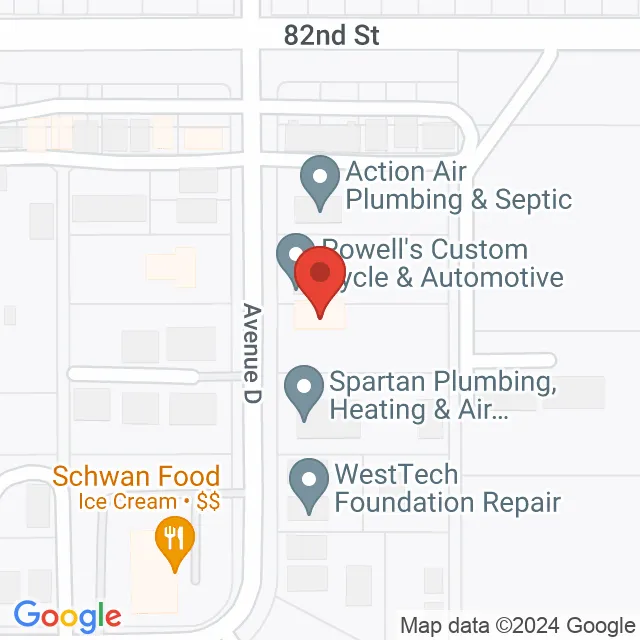
Replacing a furnace is a decision you make rarely, and it often arrives under pressure. The old one fails in January and the house is cold. This guide is for the better version of that story, where you have time. It walks Lubbock homeowners through the choices that shape a good installation: when to replace, what to check besides the furnace, what a contractor should explain and what to do on installation day. Black Plumbing Heating and Air works from 8215 Avenue D in Lubbock and is open 24/7.
Decide first: repair or replace

ENERGY STAR’s guidance gives a few markers. It says to consider replacing a furnace that is over 15 years old. It notes that an ENERGY STAR furnace is about 15 percent more efficient than a conventional one. It also lists frequent repairs with rising energy bills and rooms that are too hot or cold as other signs that it may be time. None of these is a rule by itself. A furnace with one small part failing is a different case from one that needs a repair every season.
Use these questions as a starting point:
- How old is the furnace, and how many repairs has it needed in the last few seasons?
- Has the technician found a safety concern, such as a cracked heat exchanger?
- Are bills rising without a change in how you live?
- Are some rooms never comfortable?
If a technician finds a heat exchanger problem or a venting problem, the conversation changes. ENERGY STAR notes that a cracked heat exchanger reduces safety and efficiency, and the EPA lists leaking or back-drafting furnaces and blocked or leaking flues among the sources of carbon monoxide. Safety issues belong at the top of the list.
Plan the timing
A good time to replace a furnace is before it fails. In a planned replacement, you choose the equipment and the date. In an emergency, you take what can be installed fast. ENERGY STAR advises servicing heating in fall and cooling in spring, because contractors get busy once summer and winter arrive. The same logic applies to replacement: late spring through early fall is an easier window than the first cold week. If your furnace has been showing symptoms, our article on what to review on your furnace after winter in Lubbock can help you decide whether to act now.
Look beyond the furnace: ducts and airflow
A new furnace connects to the same ductwork as the old one, and weak ducts can limit what it delivers. ENERGY STAR says leaky ducts can draw dust and air from attics, crawl spaces and basements into the home, that leaky ductwork can contribute to humidity problems and that room temperature imbalances can come from duct problems or inadequate insulation. It also says an undersized duct system can make heating or cooling noisy.
Ask the contractor to look at the ducts before you commit. If one room has always been cold, or if the old furnace was noisy, the ducts may be part of the story. A new furnace on a poor duct system can disappoint you, and the disappointment will be blamed on the furnace.
Ask how the size was determined
A furnace that is too large or too small for the house will not perform well. A common mistake is to replace like with like, based on the old furnace’s size, without asking whether the house has changed. Windows may have been replaced, rooms added or insulation improved. Ask the contractor how they determined the right size for your home and what they considered. You are entitled to a clear answer in plain language. If the answer is only “same as before,” ask a follow-up.
Check venting and combustion air
A gas furnace needs a safe way to remove exhaust and a supply of air for combustion. The EPA’s page on carbon monoxide lists leaking or back-drafting furnaces and flues that are blocked, disconnected or leaking among the sources of the gas. That is why venting is not a detail to skip. Ask the contractor to explain how the new furnace will vent, whether the existing flue or vent can be reused and how the installation will be tested. A good installer welcomes the question.
Also plan for carbon monoxide alarms. The U.S. Consumer Product Safety Commission, as the EPA reports, recommends one on every level of the home and outside each sleeping area. A new furnace is a good moment to test them and replace any that are old.
Think about the thermostat and controls
ENERGY STAR notes that a good contractor can install a programmable thermostat and explain how to use it. Ask whether the new furnace works with your current thermostat, and whether a new one would help. Then ask for a walkthrough of the settings before the technician leaves. A thermostat you understand is easier to use well.
Questions to ask any contractor
- What did you inspect before recommending replacement?
- How did you determine the size of the furnace for this house?
- What will you check about the ducts and the venting?
- Is a permit or inspection needed, and who handles it?
- What will you test when the installation is complete?
- What will you show me about operating and maintaining the new furnace?
- What happens if something is not right after the installer leaves?
The answers tell you how the company works. Clear, unhurried explanations are a good sign. Vague answers or pressure to decide on the spot are not. We are glad to answer all of these. Black Plumbing was founded in Abilene in 1994 and holds Texas HVAC license TACLA145786C.
Common planning mistakes to avoid
- Waiting for a failure. A forced decision in a cold house leaves little room to compare options or ask questions.
- Replacing like with like without a second look. The house may have changed since the last furnace went in.
- Ignoring the ducts. A new furnace cannot fix leaks, imbalance or undersized runs.
- Skipping the venting conversation. It is a safety matter, not a detail.
- Forgetting the carbon monoxide alarms. A new appliance is the moment to confirm they work.
- Deciding on one visit without questions. Take the time to understand the recommendation.
Each of these is easy to avoid once you know to look for it, and none of them requires special knowledge on your part. A short list of questions and a willingness to wait for a clear answer will carry you through most of the decision.
What installation day looks like
Ask the contractor to walk you through the plan for the day. A furnace replacement generally involves shutting off power and gas, removing the old furnace, setting the new one, connecting ducts, gas, venting, drain and electrical lines, and testing the system. Plan for no heat while the work is under way, and for some noise and foot traffic. Clear a path to the furnace and move stored items away from the area beforehand.
At the end, ask the installer to walk you through the controls, show you where the filter goes and demonstrate how to turn off power and gas. Ask where the shutoffs are. Keep any manuals the crew leaves.
After installation: keep it running well
A new furnace still needs care. ENERGY STAR advises monthly filter checks and an annual contractor visit before the heating season. Our companion article on a winter furnace routine for Lubbock homeowners lays out what to do each month.
Also note that installation affects what you get. ENERGY STAR ties the savings from high-efficiency equipment to correct installation. For example, it says an ENERGY STAR heat pump or air conditioner can save up to 20 percent on heating and cooling costs when installed correctly. The equipment matters, but the work behind it matters just as much.
Where to learn more about our services
You can read about our heating and air work on our HVAC services in Lubbock page, and about furnace work more generally on our furnace installation services page. If your furnace has already failed and you need heat tonight, see emergency heater repair in Lubbock.
What Lubbock customers say
Jonah S., a Lubbock customer, said in September 2026 that the team is “always helpful and happy to help explain what the situation is and potential options for what work needs to be done.” That is the approach we bring to a replacement decision: explain, show the options, then let you choose.
Frequently asked questions about furnace installation in Lubbock
How do I know it is time to replace my furnace?
Age, repair history, rising bills and uneven comfort are the markers ENERGY STAR gives. A safety finding, such as a cracked heat exchanger, can also settle it. A technician can review these with you.
Will a new furnace fix my cold room?
Maybe not. Cold rooms often come from duct or insulation problems. Ask for a duct check along with the furnace discussion.
Do I need new ductwork with a new furnace?
Not necessarily. It depends on the condition of the ducts. Ask the contractor to inspect them and explain what they found.
Can I replace my furnace in summer?
Yes, and it is often easier. Schedules are more open outside the cold season, as ENERGY STAR’s note about contractor workloads suggests.
What should I do with my old carbon monoxide alarms?
Test them when the new furnace goes in, and replace any that do not work or are past the date on the unit.
Talk to a Lubbock heating technician
To plan a furnace replacement, call (806) 787-2200. We are at 8215 Avenue D, Lubbock, TX 79404, and open 24/7. See more on our Lubbock location page.