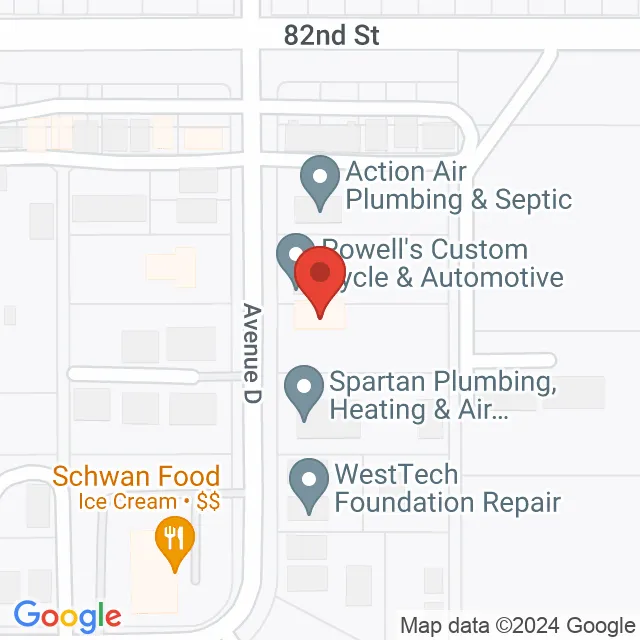
The last cold night has passed and the furnace has gone quiet. Is this the time to ignore it until next fall? Not if you noticed anything unusual during the winter. A furnace that struggled through the cold season usually does not fix itself over the summer, and the mild months are a good time to deal with it. This guide helps Lubbock homeowners review what the heating season showed them and decide what to repair now. Our team works out of 8215 Avenue D in Lubbock and answers 24/7.
Why spring is the right time to look

The furnace is off, so a technician can work without the pressure of a cold house. Parts are easier to schedule, and you can make decisions without feeling rushed. ENERGY STAR notes that contractors get busy once summer and winter arrive, which is why it advises servicing cooling in spring and heating in fall. If you found a problem this winter, do not wait for fall’s rush. Fix it in the quiet months, and the furnace is ready when the weather turns.
There is a second reason. A problem that is ignored tends to get larger. A burner that ran a little rough in January can be a more serious issue by December. Spring is the point at which you can still choose to act on a small clue.
Look back: what did the furnace do this winter?
Before you do anything, think back. Write down every odd thing you remember. These are the questions that matter.
- Did the furnace ever fail to start, or start and shut off?
- Did it run longer than usual to reach the set temperature?
- Were there rooms that never got warm?
- Did you hear any new sound, such as banging, squealing, rattling or repeated clicking?
- Did you notice a smell, such as a burning odor that did not fade?
- Did any carbon monoxide alarm go off, even briefly?
- Did your energy use jump in a way you could not explain?
- Did you see water near the furnace?
Any yes on that list is worth a conversation with a technician. A no on all of them is good news, but it does not remove the value of a check.
The signs that should not wait for fall
These are the clues that call for a visit now.
- A carbon monoxide alarm went off, even once. The EPA lists leaking or back-drafting furnaces and blocked, disconnected or leaking flues among the sources of carbon monoxide. An alarm that sounded and was dismissed is a warning that should be investigated.
- Soot, scorch marks or rust around the furnace or flue. These can mean incomplete combustion or a venting problem.
- A flame that looked yellow or uneven. A steady blue flame is the normal look for a gas burner. ENERGY STAR notes that a dirty burner reduces safety and efficiency.
- A cracked or suspect heat exchanger. ENERGY STAR says a cracked heat exchanger reduces safety and efficiency. Only a technician can inspect it.
- Repeated short cycling, where the furnace starts and stops in short bursts.
- Persistent noise, especially grinding, scraping or banging.
If any of these showed up, tell us when you call so the technician can look at the right components. For the full routine we suggest during the season, see our article on a monthly winter furnace routine in Lubbock.
Smaller clues that add up
Some winter observations do not demand a repair, but they point toward one. Listen for them in your memory:
- Uneven rooms. ENERGY STAR says room temperature imbalances can come from duct problems, improper equipment operation or inadequate insulation. If one room was always cold, the issue may be in the ducts.
- Extra dust. Leaky ducts can pull dust and air from attics and crawl spaces into living areas. If your house stayed dusty all winter, the ducts are worth a look.
- Dry or stale air. A heating system that runs more than it should can leave the house feeling uncomfortable. It may be an airflow or filter issue.
- A filter that clogged quickly. This suggests dust is entering the system from somewhere unusual.
- Longer run times. A system that takes longer to reach the set temperature may be losing capacity or airflow.
What a post-winter repair visit covers
When you call us about a furnace concern in the spring, the visit follows a plain order. We ask what you noticed. We then inspect the equipment, working through the heating items on ENERGY STAR’s professional checklist: gas or oil connections, gas pressure, burner combustion and the heat exchanger. We also tighten and test electrical connections, check controls and inspect the condensate drain. We explain what we find, and we describe the options for any repair. You decide what happens next.
You can read what we handle on our HVAC services in Lubbock page. For urgent problems at any time of year, our emergency heater repair in Lubbock page explains how we respond.
What happens if you wait until fall
Waiting is not always harmful, but it carries a few risks that are easy to avoid. A problem found in October competes with every other homeowner who just turned on the heat for the first time. A part that needs ordering can leave you without heat while you wait for it. A safety concern, such as a flue problem, goes unaddressed through a season in which you will not run the furnace but may still run a gas water heater or other fuel-burning equipment that vents the same way.
There is also a simple memory problem. By October, you will have forgotten the noise you heard in February. A note written in spring, or a repair made in spring, removes that guesswork. We would rather hear about a small concern in April than a large one in December.
How to describe your winter to a technician
You do not need technical terms. Tell us what you saw, heard and smelled, and roughly when. Mention the coldest nights, since that is when a furnace works hardest and weaknesses show. Tell us about any alarm, any room that stayed cold and any change in how long the furnace ran. If you kept a list, hand it over. That conversation is often the quickest route to the cause, and it makes the inspection more focused.
Repair or replace: how to think about it
If your furnace needed several repairs this winter, it is reasonable to ask whether the system is nearing the end of its useful life. ENERGY STAR says to consider replacing a furnace older than 15 years, and notes that an ENERGY STAR furnace is about 15 percent more efficient than a conventional one. It also lists frequent repairs with rising energy bills as a sign. Age is not the only factor, and a well-kept older furnace can keep running. A technician can give you an honest read on the condition of yours.
If replacement makes sense, spring is also a good time to plan it. Our article on furnace installation tips for Lubbock homeowners walks through what to think about before the work starts.
What you can do now, before the visit
- Replace the filter. Winter use may have loaded it, and ENERGY STAR says a dirty filter raises energy costs and can lead to early equipment failure.
- Write down your winter observations while you remember them.
- Keep the area around the furnace clear.
- Test your carbon monoxide alarms and replace batteries as needed.
- Check for any water near the furnace and note where it appears.
Why Lubbock homes should also check the water heater now
The same cold season that stressed your furnace also worked your water heater. Our Lubbock hub page notes that the area’s mineral-heavy water leaves scale and sediment in water heaters, valves and lines. If your hot water ran out sooner than it used to, or you heard rumbling from the tank, mention it. Our water heater repair team in Lubbock can look at it.
What Lubbock customers say
Carlye H., a Lubbock customer, wrote in September 2026: “Black plumbing came out to help me with my plumbing needs on a Saturday.” Whatever the season, we aim to make scheduling easy, including weekends.
Frequently asked questions about furnace repair in Lubbock
Should I repair my furnace in spring or wait until fall?
Spring. The house is not cold, schedules are open and you can decide calmly. ENERGY STAR notes that contractors get busy once winter arrives.
My carbon monoxide alarm went off once and stopped. Is that a problem?
Treat it as a warning. The EPA lists furnaces and flues among the sources of carbon monoxide. Have the equipment inspected before the next heating season.
How do I know if my heat exchanger is cracked?
You cannot tell by looking from outside. A technician has to inspect it. ENERGY STAR includes the heat exchanger in its professional heating checklist.
Is a furnace that runs fine all winter still worth checking?
Yes. Burners, connections and the drain can wear without symptoms, and a check finds them early.
Schedule a furnace check in Lubbock
Call (806) 787-2200 to talk through what you noticed this winter. We are at 8215 Avenue D, Lubbock, TX 79404, and open 24/7. See more on our Lubbock location page.