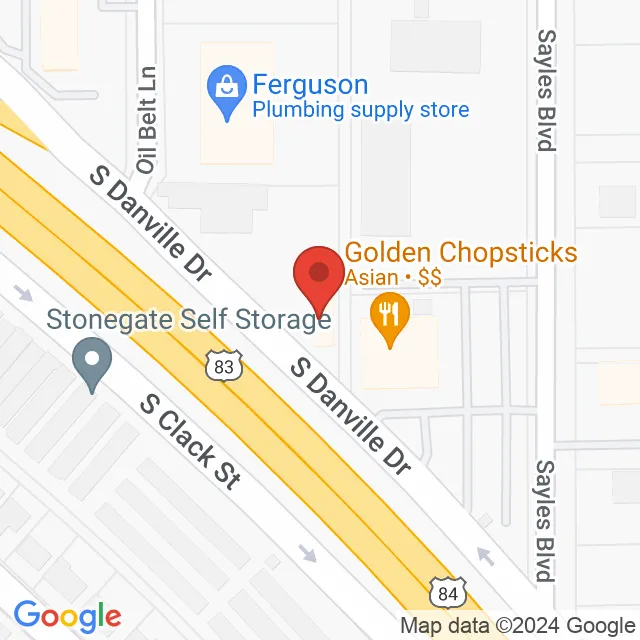
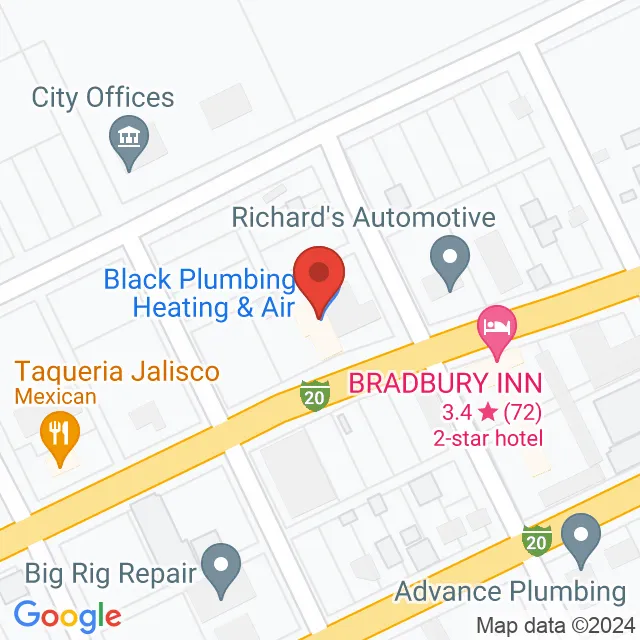
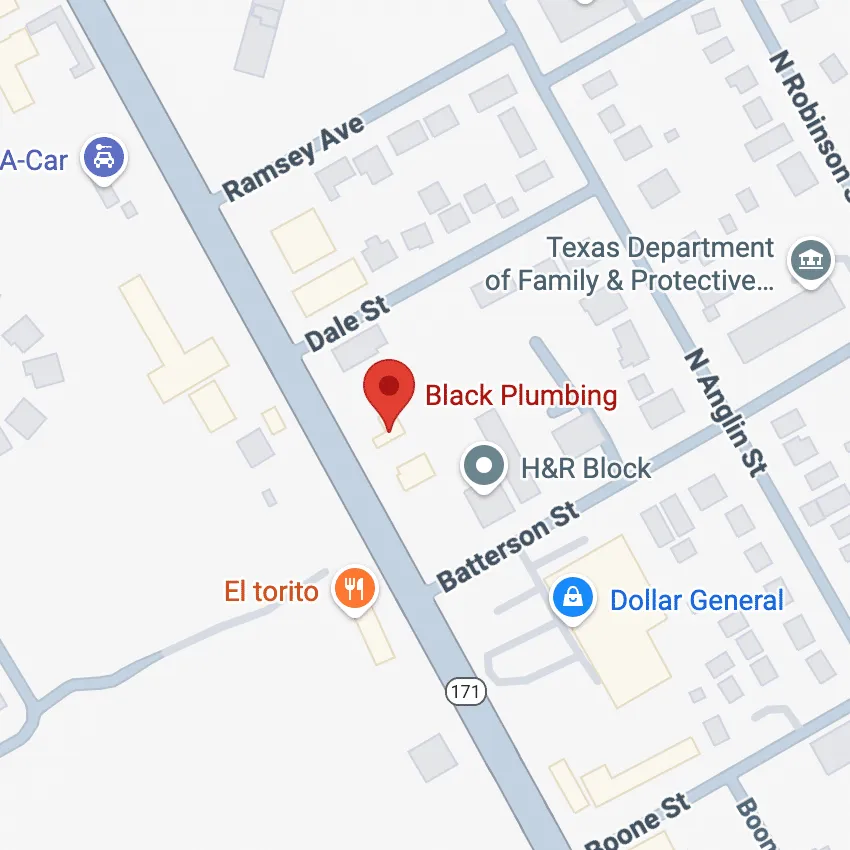
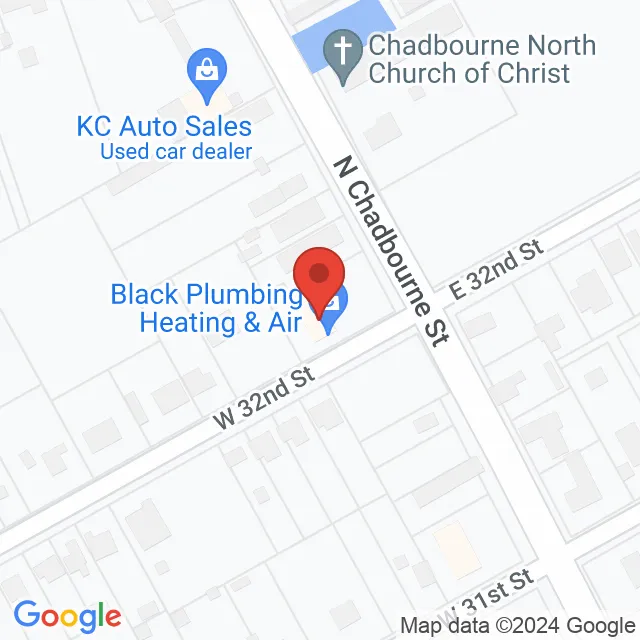
Not every water heater problem needs the same response. A puddle under the tank and a shower that runs lukewarm are both signs of trouble, but one needs you to act within minutes and the other can wait for a scheduled visit. This post sorts the common signs by urgency so you know what to do first. It is written for homeowners in Snyder, TX, who reach Black Plumbing Heating & Air through our Abilene office at 4402 S Danville Dr, Abilene, TX 79605. We answer calls 24/7, and our plumbers work under Texas plumbing license M-40900.
If you already suspect the heater is near the end and want help deciding, our guide on when to replace a tank water heater in Snyder goes deeper on that question. For prevention, see the essential water heater maintenance guide for Snyder. This post stays on the warning signs.
Act right away: signs that should not wait
Some signs involve safety or the risk of water damage. Treat these as urgent.
You smell gas
If you have a gas water heater and you smell gas, do not turn on lights, use a lighter or try to find the source. Leave the house, then call your gas utility or 911 from outside. Do not go back in until you are told it is safe. Once the gas is dealt with, we can inspect the heater, the gas connection and the venting.
Water is coming from the tank itself
A drip at a fitting or a supply line is one kind of problem. Water seeping from the bottom or side of the tank body is another, because it usually means the tank has failed internally. Close the cold water supply valve on the pipe above the heater, turn off the power or the gas control, and call. Use towels or a wet vacuum to keep the water from spreading while you wait.
The relief valve is discharging
The pressure relief valve is a safety device. If it is leaking or spitting water, something is wrong with pressure or temperature in the tank, or the valve itself has worn out. Do not cap it or plug the discharge pipe. Shut off the heater and call us so a plumber can find out which it is.
The water is scalding
Water that comes out far hotter than the setting can point to a thermostat problem. It is a burn risk, particularly for children and older adults. Turn the heater off and call.
The heater trips a breaker, or you see scorch marks or soot
A breaker that trips repeatedly points to an electrical fault in an electric heater. Scorch marks or soot around a gas heater point to a combustion or venting problem. Both are reasons to stop using the heater until it is inspected.
Call today: signs of a failing part
These signs are not usually an emergency, but they tell you a part is wearing out. Left alone, they tend to get worse.
No hot water at all
On a gas heater, the usual suspects are a pilot light that will not stay lit, a failing thermocouple or a problem with the gas control. On an electric heater, they are a burned-out heating element, a tripped limit switch or a breaker. These parts are not DIY repairs, because they involve gas or live electrical connections. A diagnosis finds out which one it is.
Hot water runs out far sooner than it used to
If you used to get through a full shower and now you do not, something has changed. A failed lower element on an electric heater and a layer of sediment in the tank are two common reasons. It is also possible that your household has simply grown or that your habits have changed. ENERGY STAR describes the first hour rating as the most hot water a storage heater can supply in one hour, starting with a full tank. If your peak hour now needs more than the heater can provide, even a healthy heater will seem to run out. A technician can tell you whether the heater is failing or just undersized.
Rumbling, popping or banging
Noises from the tank often come from sediment that has settled on the bottom. As the burner or element heats the water, small pockets of steam push through the layer and make the sound. Sediment also acts like a blanket, so the heater has to work harder for the same result. A technician can tell you whether flushing will help or whether the sediment has hardened.
Rusty or cloudy hot water
One quick test helps here. Run only the cold tap and see whether the color clears. If the cold water is clear and the hot water is rusty, the problem is likely inside the water heater, which can point to corrosion in the tank or a worn anode rod. If both taps are discolored, the problem is more likely in the pipes. Either way, have it looked at.
An odor in the hot water only
A smell that appears only with hot water, and not with cold, points to the heater. A technician can check the tank and its anode rod. Do not ignore it for long, since the cause may need a repair.
Water takes a long time to turn hot
Before you blame the heater, think about distance. A tap at the far end of the house will always take longer, because cold water in the pipe has to clear first. If the delay has grown at every tap, a slow heater is more likely, and a failing element, burner or sediment layer is a place to look.
Schedule a visit: signs to keep an eye on
These signs are easy to miss, and they are the reason a regular check is worth having.
The utility bill climbs without a change in use
A heater that is struggling often uses more energy to do the same job. If the bill goes up and nothing else in the house has changed, the heater is one place to look. Sediment and a failing element are both known to reduce how well a heater works.
Hot water pressure is weak but cold is fine
If pressure drops only on the hot side, mineral scale inside the heater or the hot water lines may be restricting the flow. That is different from a general pressure problem, which would show up at the cold taps as well.
A damp spot that comes and goes
A small slow leak can dry out between checks. The EPA’s WaterSense program suggests checking your water meter before and after a two-hour period when no water is being used. If the meter changes at all, you probably have a leak somewhere. The EPA’s Fix a Leak Week page walks through the steps. If the leak is near the heater, our plumbers can tell you whether it comes from the heater, a fitting or a nearby line.
Repeated small repairs
One repair is normal. Several repairs on the same unit in a short time is a pattern, and it is often a sign that the tank is wearing out. That is a good moment to talk through repair and replacement with a plumber.
What you can safely do while you wait
- Turn off the cold water supply valve above the heater if you see water coming from the tank.
- Turn off the power at the breaker for an electric heater, or set the gas control to off for a gas heater, if you can do it safely.
- Move stored items away from the floor around the heater.
- Take a photo of the model label and any visible damage. It helps us arrive with the right parts in mind.
- Do not remove access panels, touch wiring or work on a gas connection yourself.
How we diagnose a water heater in Snyder
A technician starts with what you have noticed, because the history points to the part to check first. Then the visit usually follows this order:
- Check the heater for visible leaks, corrosion and scorching.
- Check the power or gas supply, the controls and the thermostat settings.
- Test the heating elements or the burner and ignition, depending on the type.
- Inspect the relief valve and its discharge pipe.
- Look at the venting on a gas unit.
- Explain what was found and what your options are, so you can decide before any work starts.
If the heater can be repaired, that is often the right call. If the tank itself has failed, we will say so plainly and talk through replacement. Our water heater repair and installation service covers tank units. If you have an on-demand unit, see our tankless water heater repair page.
Frequently asked questions about water heater repair in Snyder
Is a pilot light that keeps going out an emergency?
It is a safety concern, so do not keep relighting it. A pilot that will not stay lit can point to a failing thermocouple, a gas control problem or a ventilation issue. A plumber should inspect the gas connections and ignition before the heater is used again.
Why is my hot water rusty?
If only the hot taps run rusty, the cause is probably inside the heater, such as corrosion or a worn anode rod. If cold water is rusty too, the pipes are more likely to blame. Running a cold tap on its own is a quick way to tell the two apart.
Can I flush the tank myself?
Some homeowners do, but the job involves hot water and a drain valve, and it can uncover problems such as a stuck valve. If you are not comfortable with it, a plumber can do it. Anything that touches gas, wiring, the relief valve or the tank body should be left to a professional.
How do I know whether it is the heater or the pipes?
Compare the hot and cold taps. A problem that only appears with hot water, such as rust, weak pressure or odor, points to the heater or the hot lines. A problem that appears with both points elsewhere.
Water heater trouble in Snyder? Call the Abilene office
Snyder customers reach us through the Abilene office. Want a technician to look at your heater? Phone the Abilene office at (325) 675-8391, or book a visit through our online scheduler. You can also see everything we offer on our Snyder service page. Tell us what you are seeing, hearing or smelling, and we will help you work out the next step.