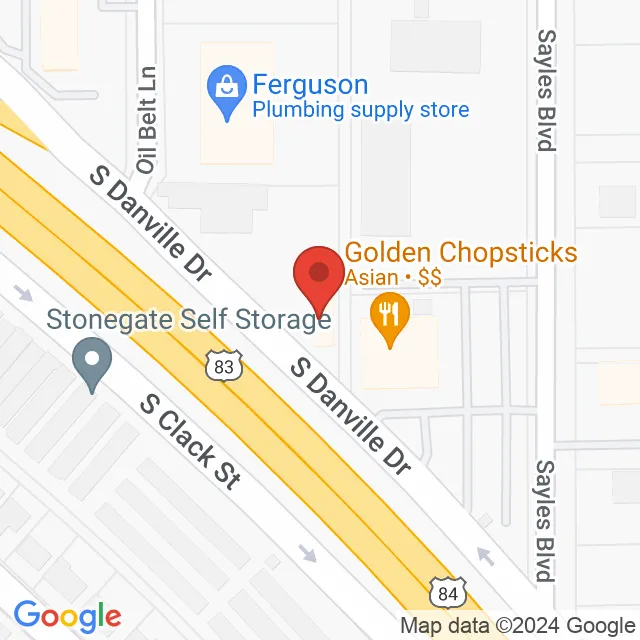
Choosing a water heater is easier when you treat it as five small decisions instead of one big one. Where will it sit, what fuel will it use, how much hot water does your household need at once, how efficient should it be, and who will install it? This guide walks through those decisions for homeowners in Snyder, TX. Snyder is served by our Abilene office at 4402 S Danville Dr, Abilene, TX 79605, and Black Plumbing Heating & Air takes calls 24/7. We have been family-owned since 1994 and work under Texas plumbing license M-40900.
If you want a side-by-side look at how tank and tankless units work, our separate tank versus tankless guide for Snyder homeowners covers that. This post is about the buying process around it: the questions to settle before you pick a model, so the heater you end up with fits the house.
Decision one: where the heater lives and what it runs on
Before you look at a single model, look at the spot where the old heater sits. The location sets limits that no brochure will mention. A tank needs floor space, room to work around it and a safe route for the relief valve discharge pipe. A tankless unit mounts on a wall and takes less room, but it needs venting or electrical service at that exact spot.
Then check what the current heater runs on. Gas and electric units behave differently, and switching from one to the other is a larger project than a straight swap:
- Gas storage heaters need a gas supply and a vent path to the outside. Venting has to be right for safety, so it is checked as part of any installation.
- Electric storage heaters need a circuit sized for the heater. A new model may not use the same circuit as the old one.
- Gas tankless units move a lot of gas in a short burst, so the gas line has to be able to feed them. They also have their own vent requirements.
- Electric tankless units draw a large amount of power while running, so the electrical panel and wiring matter.
This is why an older home can surprise you. The easiest replacement is often the same type and fuel in the same place. If you want a different type, ask what the gas line, vent or wiring would need before you commit.
Decision two: how much hot water your household uses at the same time
Size is about peak demand, not total daily use. A household that uses a lot of hot water spread across the day can be fine with a smaller unit. A household that runs two showers, a dishwasher and a washing machine within the same hour needs more capacity, even if the total is similar.
ENERGY STAR gives you two numbers to compare, and they apply to different types of heater. Both are defined on its residential water heater key product criteria page.
First hour rating for tank heaters
The first hour rating is an estimate of the most hot water, in gallons, that a storage heater can supply in one hour, starting with a fully heated tank. ENERGY STAR sets minimums for certified models: 51 gallons per hour for gas storage units and 45 gallons per hour for electric heat pump models. Compare that number with your busiest hour, not with an average day. If your mornings are crowded, the last person in line is the one who finds out whether the number was big enough.
Gallons per minute for tankless heaters
A tankless unit has no tank to run dry, so its limit is flow. ENERGY STAR defines the gallons per minute figure as the hot water the unit can supply while holding a steady temperature rise, and it measures that over a 67 degree rise. For gas tankless models, the certified minimum is 2.8 gallons per minute at that rise.
The temperature rise is the part people skip. It is the gap between the temperature of the water coming into the house and the temperature you want at the tap. The colder the incoming water, the larger the rise, and the less water the unit can heat at once. Snyder homes deal with chilly winters as well as hot summers, so a tankless unit should be sized for the coldest months, not for a mild day. A plumber can add up the fixtures that run together and check the number against the unit.
Decision three: read the efficiency rating, not just the label
Every water heater carries a Uniform Energy Factor, or UEF. ENERGY STAR describes it as the newer measure of overall water heater efficiency, and a higher number means a more efficient heater. Use it to compare models of the same type. Comparing a tank number directly with a tankless number can mislead you, because the two are tested differently and the ratings are not interchangeable.
ENERGY STAR certification sets a minimum UEF by type. Here is what its criteria page lists:
- Gas storage heaters from 20 up to 55 gallons: 0.81 for a medium draw pattern and 0.86 for a high draw pattern. Above 55 gallons, 0.86.
- Gas tankless heaters: 0.95.
- Electric heat pump water heaters: 3.30 for an integrated unit, and 2.20 for a unit designed for a 120 volt, 15 amp circuit or for a split system.
Heat pump water heaters are worth knowing about if your home is electric. They move heat rather than creating it, which is why their numbers look so different from a standard electric tank. They also have conditions of their own. ENERGY STAR asks manufacturers to report the room temperature at which the compressor shuts off and the unit falls back to electric resistance heating, which tells you that the space around the heater matters. If you are curious about one, ask what the installation space needs.
The efficiency number is not the whole picture. A very efficient heater that is too small for the household will still disappoint you. Treat UEF as the tie-breaker after the size question is settled.
What Snyder’s weather means for your choice
Texas heat and chilly winters both show up in a water heater. In summer, the water coming into the house is warmer, so the heater has less work to do per gallon. In winter, the incoming water is colder, and the same heater has to lift it further. That is the same temperature rise idea from earlier, and it is the reason demand in January is not the same as demand in July.
For a tank heater, cold weather mostly shows up as a longer recovery time after a big draw. For a tankless unit, it shows up as the flow limit. If your heater sits in a garage or other space that is not heated, mention that when you talk to the plumber, because it affects what suits the spot.
What a good installation visit looks like
The installation matters as much as the model. A good heater set up badly will cause problems, and a modest heater set up well can run quietly for a long time. Here is the order of work for a typical tank replacement. A tankless installation adds the venting, gas or electrical work described above.
- The power or fuel and the water supply are shut off, and the old tank is drained.
- The old unit is disconnected and removed from the space.
- The new heater is set in place and the water connections are made.
- For a gas unit, the gas connection and the vent are completed and checked. For an electric unit, the electrical connection is made.
- A pressure relief valve and its discharge pipe are installed so that, if the valve ever opens, the water has a safe path.
- The system is filled and checked for leaks, then the heater is started and tested.
- You are shown the controls and what to watch for.
Ask whether the work needs a permit in your location, and who handles it. Skipping permits or safety checks is one of the mistakes that comes back to the homeowner later.
Questions to ask before you hire anyone
Whoever you choose should be able to answer these plainly:
- Are you licensed in Texas for this work? (Black Plumbing works under Texas plumbing license M-40900, and you can ask any contractor for theirs.)
- What size do you recommend, and what did you use to decide?
- Does my home need a new gas line, vent or wiring for this type of heater?
- What will you do with the old unit?
- Who handles permits, if any apply?
- What will you test before you leave?
A contractor who explains the reasoning is easier to trust than one who names a model in the first minute. If the answers come with a question back to you about how your household uses hot water, that is a good sign.
Common mistakes to avoid
- Sizing by habit. Buying the same size as the old unit without asking whether the household has changed.
- Ignoring the vent or the circuit. A heater that fits the space but not the existing connections can turn a simple swap into a larger job.
- Comparing efficiency numbers across types. UEF is most useful within one type.
- Skipping the questions. It is much easier to settle sizing and hookups before the old heater comes out.
- Replacing when a repair would do. Not every problem means a new heater, and a repair is sometimes the sensible call.
That last point is worth a closer look. If your heater is misbehaving but you are not sure it is finished, read our guide on when to replace a tank water heater in Snyder before you start shopping.
Frequently asked questions about choosing a water heater in Snyder
Should I choose a tank or a tankless heater?
It depends on your peak hot water use, the space you have and the fuel and hookups already in the house. Work through the decisions above first, and the answer usually becomes clear. A plumber can look at the existing connections and tell you which option is a simple swap and which needs extra work.
Does a higher efficiency rating always mean a better choice?
Not by itself. A higher UEF means the heater is more efficient, but it has to be the right size and suit the home. Use the rating to compare heaters of the same type once the size is settled.
Can Black Plumbing install both kinds of heater in Snyder?
Yes. Our water heater repair and installation service covers tank units, and our tankless water heater service covers on-demand units.
What should I do if my heater fails before I have chosen a replacement?
Shut off the cold water supply to the heater if you see water leaking, keep the area clear and call. We are available 24/7, and a technician can talk through whether a repair makes sense or whether it is time to choose a new heater.
Talk to us about your Snyder water heater
Our Snyder plumbing and HVAC page lists the services we provide to the area. Snyder customers reach us through the Abilene office, so call (325) 675-8391 or schedule service online. If you would rather send a message first, you can contact the Black Plumbing team. We will ask how your household uses hot water, look at the space and connections, and help you pick a heater that fits.