Most articles on HVAC inspections tell you why to schedule one. This one assumes you already have and answers the next question: how do you get the most out of the visit? A few minutes of preparation, plus a handful of good questions, turns a routine inspection into a clear picture of where your heating system stands before the cold arrives.
Black Plumbing Heating & Air is a family-owned plumbing and HVAC company founded in Abilene in 1994. Our technicians work under Texas HVAC (ACR) license TACLA145786C, and we run the heating and air conditioning side of the business from our local offices across West Central and North Texas. Here is how we suggest homeowners get ready.
Before the visit: what to have ready
You do not need to know HVAC. You only need to know your own house. Pull together a few basics so the technician does not have to guess.
- What kind of system you have. Gas furnace, electric furnace, heat pump or a combination. If you are not sure, a photo of the label on the equipment is enough.
- How old it is, if you know. The install date, the age of the home or a note from a prior owner all help.
- What has been repaired. Past repair visits tell the technician where to look first.
- Anything odd you have noticed. Noises, smells, rooms that run cold, a thermostat that behaves strangely, higher bills. Write these down so you do not forget them when the technician arrives.
- Your filter size. Bring the old filter or note the size printed on its frame.
Clear the way
Technicians work faster and more safely when they can reach the equipment. Move boxes, holiday decorations and stored items away from the furnace or air handler. Clear a path to the attic or closet if the unit sits there, and make sure the light works. Put pets in a room where they will stay out from underfoot. If the unit is outdoors, as with a heat pump, trim back plants, brush and debris around it.
Check that the thermostat has working batteries if it uses them, and set it to a normal temperature. The technician will test heating at different settings, and a thermostat that is off or acting up can hide or mimic a problem.
What the technician checks
An inspection is a structured look at the parts that make heat, move air and keep exhaust out of the house. Exact steps depend on the equipment, but the main areas are the same.
- Thermostat and controls. Does the system respond correctly when called for heat, and does it shut off when the set point is reached?
- Filter and airflow. The filter condition, the blower and the supply and return paths. Restricted airflow makes a furnace work harder and run hotter than it should.
- Burners, ignition and flame. For a gas furnace, the technician looks at ignition and how the flame behaves.
- Venting and exhaust. The path that carries combustion gases outside needs to be intact and unobstructed. This is the safety core of the visit.
- Electrical connections and safety switches. Loose connections, worn components and limit switches that protect the system.
- Heat pump components. If you have a heat pump, the outdoor unit, the reversing function and the refrigerant circuit are part of the heating look.
- Ductwork you can see. Visible leaks, disconnected joints or crushed runs.
The reason venting gets such close attention is carbon monoxide. The EPA lists leaking chimneys and furnaces, back-drafting from furnaces and gas water heaters, and worn or poorly adjusted combustion devices as sources, and notes that the gas is odorless and colorless. Source: EPA, Carbon Monoxide’s Impact on Indoor Air Quality.
Questions worth asking during the visit
You are allowed to ask anything. These questions tend to produce useful answers.
- What did you find, in plain terms, and which items affect safety?
- Which findings can wait and which should be handled before the next cold stretch?
- Is there anything you could not check, and why?
- What should I do between visits, such as filter changes or keeping vents clear?
- If this part fails, what will I notice first?
- Is the system near the end of its useful life, and what would the next steps be?
A good technician will answer in plain language and separate what must be done from what is optional. You should leave knowing what you have and what to watch.
What to do with the findings
An inspection often ends in one of three places.
- Everything checks out. You have peace of mind and a baseline for next year.
- Small items to fix. A worn part, a filter swap or a loose connection. These are the simplest repairs when they are handled early. Our heating and air conditioning (AC) services cover the repair itself.
- A bigger decision. A cracked component, a failing system or a safety finding. You get the options explained and decide with the technician. If replacement is the sensible route, see our furnace installation services.
If something unsafe turns up, such as a venting problem, the technician will tell you and may shut the equipment down. That is the inspection doing its job.
After the visit: keep up the basics
An inspection is a snapshot. What you do between visits keeps the system in good shape.
- Check the filter on a regular schedule and replace it when it is dirty.
- Keep supply and return vents open and unblocked.
- Test carbon monoxide and smoke alarms. Ready.gov advises installing working carbon monoxide detectors with battery backup, including on every level of the home, as part of winter preparation. Source: Ready.gov, Winter Weather.
- Keep the area around the equipment clear.
- Pay attention to new noises, smells or comfort changes, and call early.
Our post on what HVAC maintenance includes in older homes is a good next read if your house has aging ductwork or equipment.
If you have a heat pump instead of a furnace
If your home heats with a heat pump, the visit looks a little different. There is no flame or flue to examine on an electric heat pump, so the technician spends more time on the outdoor unit, the electrical side and the way the system switches between modes. If your home has a gas furnace as a backup, or a heat pump paired with electric strip heat, tell the technician so each part gets tested.
Ask the technician to run the system in heating mode while they are there. Some problems only show up under load, such as a fan that struggles to start or a unit that ices over. Seeing it run also lets you hear what normal sounds like, which makes it easier to notice a change later. Our air conditioning (AC) and HVAC repair page is the place to start if your heat pump or its cooling side needs attention.
Why a second pair of eyes is useful even on a newer system
Newer equipment can fail for reasons that have nothing to do with age. A poor installation, a duct run that was never sized well, a filter slot that lets air bypass, or a thermostat that was set up incorrectly can all be found in an inspection. A newer system also gives you a good reference point, because the technician can see how it looks while it is still in good condition. If something changes later, you have a baseline.
The same is true for older systems, only more so. Wear is gradual, and homeowners get used to a furnace that is slowly getting louder or slower to heat. A technician who has not heard it before notices the difference quickly. You do not need to wait for something to break to benefit from that outside view.
Keep a simple record
After each visit, jot down the date, what was checked, what was done and anything the technician said to watch. Keep it with the filter size and the equipment model. Next year, you or any technician can pick up where the last visit ended, and you will know quickly whether a noise or smell is new.
Why winter timing helps
Heating season is when the system is under load and when it matters most that it works. A technician who sees the furnace running can watch it light, heat and cycle, rather than guess from a cold unit. Booking before the coldest weeks also means appointment times are easier to find. If you wait for the first hard freeze, everyone else is calling at the same moment.
Frequently asked questions about winter HVAC inspections
Do I need to be home for the inspection?
Plan on it. The technician will want to ask about your concerns and explain the findings, and an adult needs to give access to the equipment.
Should I change my filter before the visit?
You can, but you do not have to. Leave the old filter in place if you want the technician to see how it looks, or put in a fresh one and keep the old one to show.
Is an inspection the same as a repair?
No. An inspection looks at the system and identifies issues. A repair fixes a specific problem. Some small adjustments may be done during the visit, and larger repairs are discussed with you first.
Does the inspection cover my air conditioning too?
A winter visit focuses on heating. If you want cooling checked, ask about our air conditioning (AC) maintenance and we can plan it for the right season.
How do I book?
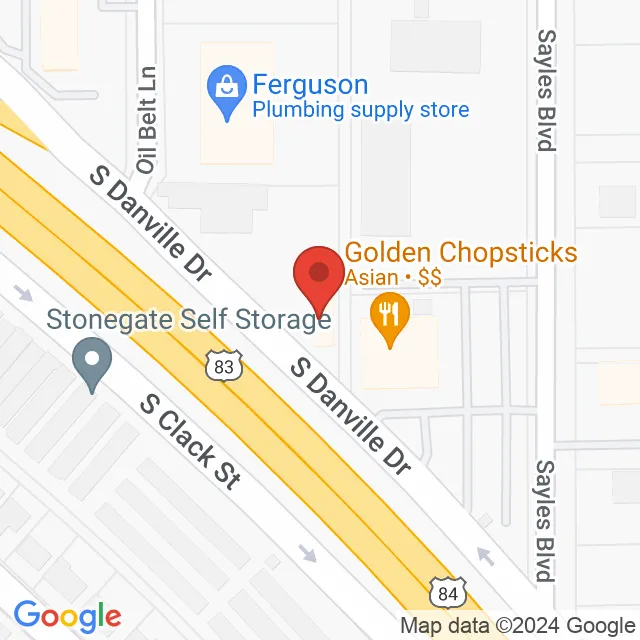
Contact your nearest Black Plumbing office. Our headquarters is the Abilene office at 4402 S Danville Dr, and we are open 24/7.