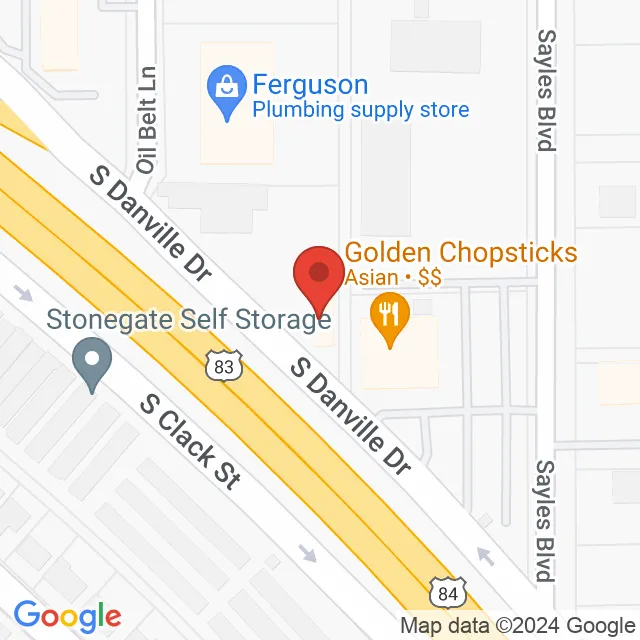
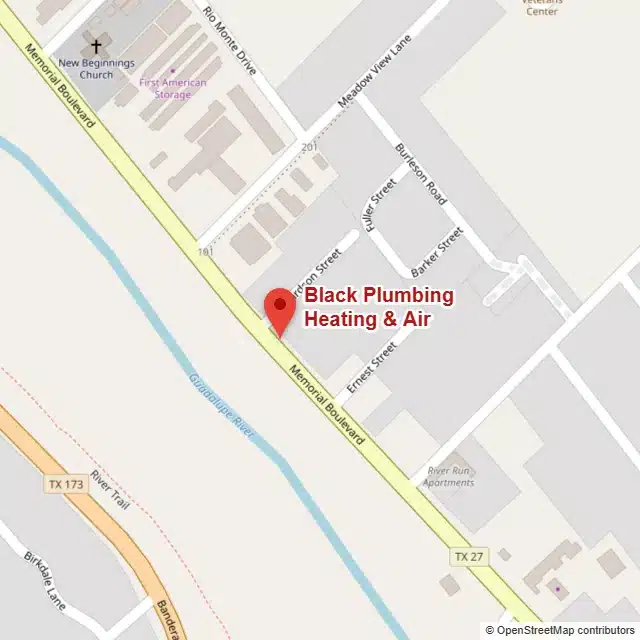
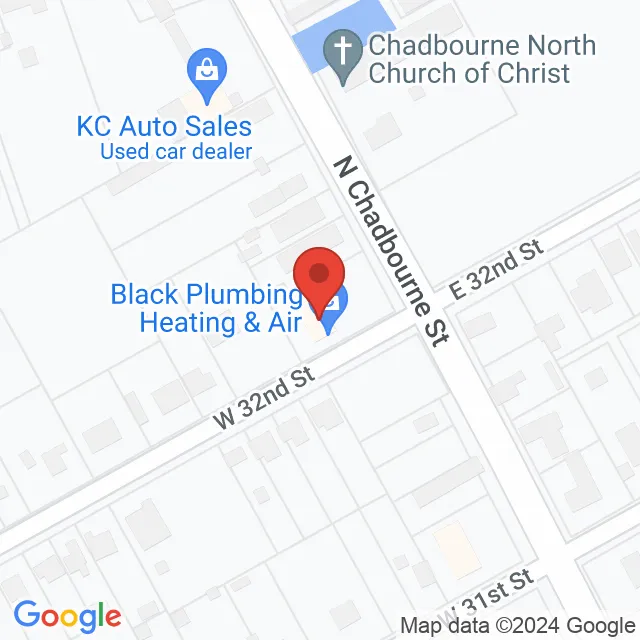
What should a heating and air tune-up actually cover when your Abilene house is decades old? That is a fair thing to ask before you book one. An older home is not just a newer home with more wear. The ducts, the insulation, the wiring and the way the house breathes are all different, so a checklist written for a recent build can miss what matters most. Our technicians work out of 4402 S Danville Dr in Abilene, and we are open 24/7 for heating and cooling calls. This guide walks through what a good maintenance visit includes and what an older house adds to the list.
Why an older house changes the checklist
Our Abilene hub page points out that houses built before the 1980s tend to carry cast-iron or galvanized pipe, clay sewer lines and original shutoff valves. The same age gap shows up in the heating and cooling system. Equipment may have been replaced once or twice, but the ducts, the return paths and the attic or crawlspace around them are often original. Each repair or addition over the years can leave a mismatch: a newer furnace pushing air through ducts that were sized for a different machine.
Maintenance on an older home is therefore less about swapping a part and more about asking whether the whole system still fits the house. A tune-up is where that question gets answered, which is why it is worth knowing what the visit should include.
What a standard tune-up covers
ENERGY STAR publishes a maintenance checklist for heating and cooling systems that describes what a typical check-up should include. It recommends annual pre-season visits: cooling in the spring and heating in the fall, since contractors get busy once summer and winter arrive. The items on the list apply to every home, old or new:
- Electrical connections. A technician tightens connections and measures voltage and current on motors. Faulty connections can cause unsafe operation and shorten the life of major components.
- Lubrication. Moving parts that lack lubrication create friction in motors and raise the electricity the system uses.
- Condensate drain. A plugged drain can cause water damage in the house and change indoor humidity.
- Coils and refrigerant. Dirty evaporator and condenser coils reduce cooling ability, and too much or too little refrigerant makes a system less efficient.
- Airflow. ENERGY STAR notes that airflow problems can reduce a system’s efficiency by up to 15 percent.
- Gas connections and burners. A dirty burner or cracked heat exchanger makes the equipment run less safely and efficiently.
- Filter. The checklist advises checking it monthly.
All of that belongs in an older home visit too. The difference is how much weight each item deserves.
What an older home adds to the visit
Ducts that leak or no longer match the equipment
ENERGY STAR’s duct sealing guidance says that in a typical house about 20 to 30 percent of the air moving through the duct system is lost to leaks, holes and poorly connected ducts. It lists warning signs that read like a description of an older home: rooms that are hard to heat and cool, stuffy rooms that never feel comfortable, ducts running through an attic or crawlspace, and tangled or kinked flexible ducts. When we look at an older system, we check where the ducts run, whether the joints are tight and whether anything has been crushed or pulled apart over the years.
Return air and room-to-room balance
Older floor plans were often chopped up with additions and closed-in porches. A room that was added later may share a supply run that was never meant to reach it. If one bedroom is always warmer in summer or colder in winter, the cause may be airflow rather than the equipment. Your technician should feel the air at registers, check that the returns are not blocked and tell you plainly if the layout is the limit.
Combustion safety on the heating side
An older home may have a furnace that has been moved, re-vented or fitted into a closet that was never designed for it. The EPA lists worn or poorly maintained combustion appliances, and flues that are improperly sized, blocked or disconnected, among the sources of carbon monoxide in the home. In its guidance on carbon monoxide and indoor air quality, the agency notes the gas cannot be seen, tasted or smelled. A heating check in an older house should therefore include the burner, the heat exchanger and the vent path, not just the filter.
Insulation and the building shell
Thin or settled attic insulation makes any system work harder. A technician is not an insulation contractor, but the person servicing your equipment will see the attic and the crawlspace, and can tell you if the ductwork is exposed or the insulation has been disturbed. That observation is useful when you decide whether to repair, replace or improve the house first.
Electrical service and disconnects
Older panels and wiring were sized for lighter loads. When the electrical connections are checked, a technician who sees scorched terminals, mismatched breakers or an undersized disconnect should say so before it becomes a failure on a hot afternoon.
Spring and fall are different visits
Because the system does two jobs, the visit changes with the season. A cooling visit leans on the coils, the refrigerant level, the condensate drain and airflow. A heating visit leans on the burners, the heat exchanger, the gas connections and the venting. In an older home, it is worth asking for both, since the cooling and heating halves share the same ducts and blower.
If you want the cooling side handled, our air conditioning (AC) maintenance service in Abilene covers that visit. For the heating side, our furnace repair and installation service is the page to start from.
Questions worth asking about an older system
A short list of questions helps you judge whether the visit was thorough. Which parts of the system could you see, and which were hidden behind drywall or insulation? Did the technician look at the ducts, or only at the equipment? Were the gas connections and the venting checked on the heating side? Is there anything in the house, such as a closed-in porch or a finished attic, that the system was never sized to serve? You are not testing anyone. These are the same questions a technician asks themselves, and an honest answer tells you where the system stands.
It also helps to keep a simple record at home: the date of each visit, what was found and what was repaired. When a system is older than the family that lives with it, that history is the quickest way to spot a part that keeps failing or a repair that never held.
What you can do between visits
- Check the filter every month, as ENERGY STAR advises, and replace it when it looks gray and matted.
- Keep supply registers and return grilles clear of furniture, rugs and curtains.
- Look at the visible ducts in the attic or crawlspace if you can reach them safely. Disconnected sections, torn insulation and crushed flex duct are worth a photo.
- Test your carbon monoxide alarm and make sure it sits where it can wake you.
- Write down any room that is always too warm or too cool, and tell the technician before the visit starts.
These steps do not replace a tune-up. They give the technician a head start and tell you what to ask.
Signs the system needs more than maintenance
Maintenance cannot fix every problem in an old system. Call for a repair visit, not just a tune-up, if you notice any of these:
- The system runs but the house never reaches the thermostat setting.
- Rooms differ in temperature, even with the doors open.
- You hear banging, squealing or grinding from the blower or the outdoor unit.
- There is a burning smell, soot around a burner or a pilot flame that looks wrong.
- Water collects near the indoor unit.
If the heat quits on a cold night, our emergency heating repair in Abilene team is available around the clock.
What an Abilene customer said
On the estimate side, Mark D., an Abilene customer, wrote in October 2026 about a visit to look at replacing the heating and cooling system: “The representative was professional, courteous, thorough, and took the time to explain the available options in a way that was easy to understand.” That is the standard we hold a maintenance visit to as well. You should leave knowing what was checked, what was found and what your options are.
Our Abilene office is rated 4.8 out of 5 on Google, and you can read the reviews before you call.
How to get the most from the visit
Tell the technician how old the house is, what has been added, and which rooms give you trouble. Ask to see anything they flag, whether that is a cracked part, a leaking joint or a clogged drain. Ask which findings are safety items and which are comfort or efficiency items. A good visit separates those so you can decide what to do first.
If a part is nearing the end of its life, a good technician will say so and explain the choices: repair now, plan for replacement, or fix the airflow so the next system works properly. There is no pressure to decide on the spot, and no reason to skip the visit just because the house is old. Older homes tend to benefit more from regular attention, since small problems can sit unnoticed behind walls and above ceilings.
Book maintenance for your older Abilene home
You can find more local guidance for heating and cooling on our Abilene service hub. To schedule a visit, call (325) 675-8391. Black Plumbing Heating & Air has been a family-owned company in Abilene since 1994, and our office is at 4402 S Danville Dr, Abilene, TX 79605.