The words “slab leak” are enough to make any homeowner nervous. They suggest a broken pipe under the concrete, a torn-up floor and a long, messy repair. But here is the question that matters first: is it really a slab leak? Many symptoms that look like one turn out to be something else, and confirming the source before anyone opens a floor can save you a great deal of trouble. This post explains what a slab leak is, the signs that point to one, the look-alikes that fool people, and how detection works in San Angelo, TX. Black Plumbing Heating & Air is at 501 N Main St, San Angelo, TX 76903, and our line is open 24/7.
What a slab leak actually is
A slab leak is a leak in a water line that runs beneath or inside the concrete foundation of a house. Hot and cold supply lines can run through or under the slab, so a failure there is out of sight. Because the pipes are buried, the first sign is often indirect: a bill that climbs, a sound, a warm patch of floor.
Pipes under a slab can fail for several reasons. Corrosion eats at older metal pipes from the inside. Constant water pressure that is too high stresses fittings. Pipes can rub against concrete or gravel as the house and the ground move slightly over time. None of these causes is specific to one house, and most are slow to develop.
Signs that point to a slab leak
No single sign proves it, but several together raise the odds:
- A warm or hot spot on the floor. A leak in a hot water line can heat the concrete above it. You may feel it through bare feet or notice that one area is warmer than the rest.
- The sound of running water when everything is off. A faint hiss or trickle at night, when the house is quiet, can mean water escaping from a pressurized line.
- A water meter that keeps moving with every fixture closed. This is one of the most reliable clues that a leak exists, though not where.
- A rising water bill with no change in habits. The U.S. Environmental Protection Agency suggests checking usage in a colder month such as January or February, and says a family of four that exceeds 12,000 gallons a month could have serious leaks.
- Low water pressure. Water that is escaping before it reaches the fixtures will lower the pressure at them.
- Damp or discolored flooring. Carpet that stays wet in one place, floor tile that lifts, or a musty smell on a dry day can point to moisture from below.
- Cracks along walls or flooring that appear with moisture. Cracks can have many causes, but together with other signs they deserve a look.
The look-alikes: what else can cause the same symptoms
This is the part most homeowners are never told. A number of other problems produce the same signs, and the repair for each is different. Before you assume the worst, consider:
- A leak in an accessible line. A supply line in the attic, a wall or a crawlspace can leak and send water to the floor. The path of the water can mislead you about the source.
- A leak at a fitting or valve near where the water line enters the house. Connections off the main line can degrade and leak. One San Angelo customer, C. J., wrote in October 2026: “I called Black Plumbing and they discovered a degraded soft water connection off the main.” The problem was found at a connection, not under the foundation.
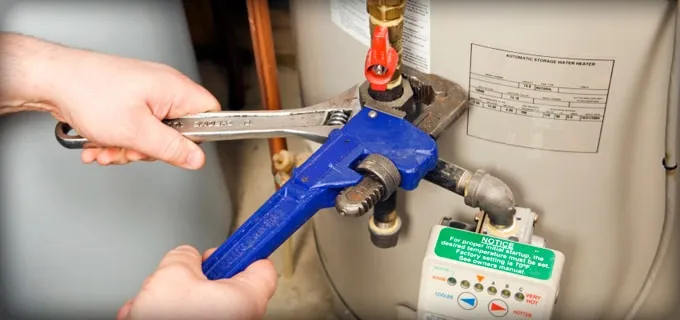
- A leaking water heater or its connections. A slow leak at a tank or at a supply fitting can run under a closet floor and produce a damp spot that looks structural.
- A leak at a toilet, tub or shower drain. Drain leaks can leave moisture in the subfloor and a musty smell.
- A running toilet. The EPA notes that an old or worn flapper can silently leak thousands of gallons a year, which can explain a high bill without any leak under the floor.
- A drain or sewer line problem. Slow drains, gurgling and odors are separate from a pressurized supply leak, and they need a camera inspection, not a leak detector.
- Condensation or an air conditioning drain. Water near an air handler can come from a clogged condensate line.
The takeaway is simple: a warm floor or a high bill is a reason to investigate, not a diagnosis. Confirming the source first can mean the difference between a small repair and a large one.
How slab leak detection works
Finding a leak without tearing up a floor is the whole point of detection. Our technicians use acoustic and thermal equipment to find hidden leaks without opening every wall or floor to look for them. In practice a detection visit moves through these steps:
- Talk through the symptoms. When did you notice it, where is the damp area, and what does the bill look like?
- Confirm there is a leak. We shut off water to the fixtures and check whether the meter keeps moving. That tells us if water is leaving the system.
- Check the obvious places first. Accessible lines, fittings, the water heater, valves near the main, toilets and fixtures. Ruling these out narrows the search.
- Isolate the lines. We can test the supply lines in sections to determine which one is losing pressure.
- Listen and scan. Acoustic equipment picks up the sound of water escaping from a pressurized pipe, and thermal equipment can show a temperature difference where a hot line is leaking into the concrete.
- Pinpoint and explain. We mark where the leak is likely to be, tell you what we found and how sure we are, and lay out the options.
Our leak detection and repair page has more on the service.
What happens if the leak really is under the slab
If detection confirms a slab leak, you have choices, and the right one depends on the pipe, its condition and the location of the leak. We explain the options so you can decide. In general the question is whether to repair the break at the spot, route the line differently so it no longer runs under the slab, or replace more of the failing pipe because the rest of it is in similar shape. A pipe that has failed once because of corrosion may fail again nearby, which is a good reason to understand the condition of the whole line before choosing.
In older San Angelo ranch-style homes, galvanized steel supply lines are a common concern. They corrode from the inside, narrowing the passage and eventually rusting through at the joints. If your home is of that era and you see rusty water or falling pressure, ask for the pipes to be evaluated as part of any leak visit. For broader plumbing work, see our plumbing repairs and maintenance in San Angelo page.
What you can do right now
- Do the meter test: turn off every fixture and appliance, then check whether the meter is moving.
- Walk the house and feel the floors for warm spots, in the evening when it is quiet.
- Check the water heater area, the toilets and the area where the line enters the house for moisture.
- Look at your bills for the past several months and note when they started to rise.
- If you see water or feel a hot spot, close the main shutoff and call. A leak under a slab can run constantly.
For other leaks in the home, see our guide to what to do when you find water damage, and our overview of early signs of water leaks in San Angelo homes.
Frequently asked questions about slab leaks in San Angelo
Can a slab leak damage my foundation?
Water escaping beneath a slab can wash away or soften the material the concrete rests on, and prolonged moisture can affect flooring and the structure. That is why a suspected slab leak should be investigated promptly instead of left to run.
Do you have to break the concrete to find a slab leak?
No. Detection uses acoustic and thermal equipment to locate the leak from above. Concrete is opened only if the findings confirm that the line under it needs repair, and we explain that before anything is done.
How do I know if a high water bill is a leak?
Do the meter test. If the meter moves with everything off, water is escaping somewhere. If it does not, the cause may be how much water you use or a seasonal change.
Could the problem be somewhere other than the slab?
Yes, and that is common. Fittings, valves, the water heater and toilets all produce signs that resemble a slab leak. Finding the real source first is the point of detection.
Have your leak checked by Black Plumbing Heating & Air
If you suspect a leak under your floor, call (325) 659-3747 or visit 501 N Main St, San Angelo, TX 76903. We hold Texas plumbing license M-40900, have served the area since 1994, and our San Angelo office is rated 4.8 out of 5 on Google. You can see the full list of what we do on the San Angelo page.