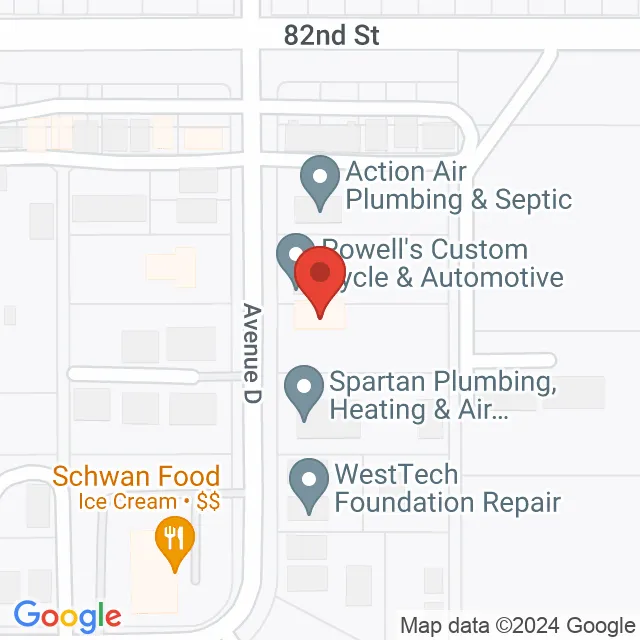
Is your air conditioning (AC) system worth another repair, or is it time to replace it? And if you replace it, what separates a good installation from a poor one? Those are two different questions, and the second often gets less attention. This post answers both for Lubbock homes. It covers the age and symptom markers that point toward replacement, the parts of an installation that decide whether the new system performs, and how to compare proposals fairly. Black Plumbing Heating & Air has served West Texas since 1994, and our Lubbock shop at 8215 Avenue D is open 24/7.
The markers that point toward replacement
The ENERGY STAR program, backed by the U.S. Environmental Protection Agency and the Department of Energy, publishes guidance on when it is time to replace heating and cooling equipment. Several of its markers apply directly to an AC system.
- The system is more than 10 years old. ENERGY STAR says to consider replacing an air conditioner or heat pump of that age with an ENERGY STAR labeled unit, and says properly installed high-efficiency units can save up to 20 percent on heating and cooling costs.
- It needs frequent repairs and bills are rising. Equipment may have become less efficient.
- Some rooms are too hot or too cold. The cause can be equipment operation, duct problems, or inadequate insulation, so check the whole system before blaming the unit.
- The home has humidity problems. Poor operation, inadequate equipment, and leaky ducts can leave the air too humid in summer.
- The home has excessive dust. Leaky ducts can pull in particles from attics and crawlspaces.
Age is a guide, not a verdict. A well-kept 12-year-old system with no major problems is a different case from a 9-year-old system that has failed three times. We look at the history, the symptoms, and the condition of the parts before we recommend one path or the other.
Repair or replace: a quick test
- What is the age? Under ten years and in good condition, repair is usually the better bet. Over ten, weigh it carefully.
- What failed? A capacitor or contactor is a small part. A failed compressor or a leaking coil is a major one.
- How often? One repair is normal. Several in a short time is a pattern.
- How is comfort? If the house is hard to keep cool even when the system runs, the equipment may be the wrong size or may have lost capacity.
- What are the ducts like? A new unit on leaky ducts will disappoint you. ENERGY STAR says to address big air leaks and the duct system before investing in new equipment, because they are sometimes the real source of the problem.
If a repair makes sense, we say so. Our AC repair services in Lubbock page explains how we handle those visits. If replacement is the better answer, read on.
What a proper installation includes
This is the part people overlook. ENERGY STAR’s quality installation guidance warns that improper installation can reduce system efficiency by up to 30 percent and may shorten the equipment’s life. A good unit installed badly is a bad system. Here are the elements to look for.
The system is sized to the house
A bigger unit is not a better unit. The contractor should size the system based on the size of the house, the insulation level, the windows, and how it is used, and should not rely on a rule of thumb. An oversized AC cools the air quickly, shuts off, and leaves humidity behind. An undersized one runs constantly and never catches up. ENERGY STAR says a contractor should spend significant time inspecting your current system and your home to assess your needs.
Airflow is set to specification
Poor airflow can reduce efficiency, raise bills, leave the air damp, reduce comfort, and shorten equipment life. ENERGY STAR advises asking your contractor to confirm that airflow meets the manufacturer’s specifications.
The refrigerant charge is correct
The right amount of refrigerant helps reduce energy use and lowers the risk of failure. The contractor should test and adjust the charge, not assume the factory amount is right for your line set length and conditions.
The ducts are evaluated
ENERGY STAR says leaky ducts waste energy and can reduce airflow and comfort, and advises asking the contractor to inspect the duct system, run a leakage test, and make needed repairs. It also says sealing and insulating ducts, particularly those in attics and crawlspaces, can improve efficiency by as much as 20 percent.
The electrical and drain connections are right
The unit needs proper wiring and a condensate drain that works. A plugged drain can cause water damage and affect indoor humidity, a point ENERGY STAR makes in its maintenance checklist.
Everything is tested before the crew leaves
A new system should run through a full cooling cycle with the technician present. They should check temperatures, airflow, pressures, and the thermostat, then show you how to use it.
How we handle an AC replacement in Lubbock
- Evaluate the home. We look at the current system, the ducts, the insulation, the layout, and how you use the house.
- Explain the options. You see the choices and the trade-offs, in plain language.
- Size the system. We base it on the house, not on the old unit’s label.
- Plan the work. We tell you the steps and what you can expect on installation day.
- Install. The old equipment comes out, the new equipment goes in, and the connections are made.
- Test and walk through. We check airflow, charge, controls, and drainage, and explain the thermostat and filter.
You can read more on our AC installation and replacement in Lubbock page, and see all our services on the Lubbock hub.
How to compare proposals fairly
You may collect more than one proposal, which is a sensible thing to do on a large purchase. ENERGY STAR’s tips for hiring a heating and cooling contractor offer a useful framework. A few of the points apply directly.
- Know the licensing rules. Ask for the contractor’s license, and ask about insurance. Ours is Texas HVAC license TACLA145786C.
- Ask for references. Call a few and ask how the job went and whether it was done on time.
- Expect a home evaluation. A proposal written without looking at your house is a guess.
- Compare the same things. Equipment efficiency, installation scope, duct work, and what is included should line up before you compare totals.
- Be careful of a quote that skips the load calculation. Sizing is the foundation of the job.
The same ENERGY STAR page suggests knowing your current system’s model and maintenance history, and noting the uncomfortable rooms. That information helps any contractor understand your needs.
What to do with your old system while you decide
If you are weighing a replacement, keep the old system alive with basics. Change the filter, keep the outdoor unit clear, and have a tune-up if it has been more than a year. ENERGY STAR says contractors get busy once summer and winter arrive, so it is best to check the cooling system in the spring. If you wait until the first very hot week, your choices shrink and your timeline gets tight.
If you are in the middle of a failure, our post on when to seek emergency AC repair in Lubbock helps you decide how fast to move.
What Lubbock customers say
Jonah S., a Lubbock customer, wrote in September 2026 that the team is “always helpful and happy to help explain what the situation is and potential options for what work needs to be done.” On a purchase this large, that is the habit that matters. Carlye H., another Lubbock customer, said in September 2026 that they “call before and give you a price estimate for your work and confirm the date and time you request.”
Frequently asked questions about AC installation in Lubbock
How long does an AC system last?
It depends on the equipment, the installation, and the maintenance. ENERGY STAR uses 10 years as the point at which to start considering replacement. A good installation and regular tune-ups help you get the most from a system.
Is a bigger AC better for a Lubbock summer?
No. An oversized system short-cycles, which wastes energy, stresses parts, and leaves humidity behind. The right size comes from a calculation for your house.
Should I replace my ducts when I replace my AC?
Not necessarily. ENERGY STAR recommends inspecting the ducts, testing for leakage, and making needed repairs. Sometimes sealing and insulating is enough. Sometimes sections need replacement.
When is the best time to replace?
When the system is still working, if you can. Planning in the spring gives you time to compare options and schedule the work. Replacing in the middle of a failure limits your choices.
Plan your AC replacement with a licensed team
To talk through your options, call (806) 787-2200. We are at 8215 Avenue D, Lubbock, TX 79404, and we answer 24/7. Bring your questions about sizing, ducts, and installation, and we will walk through them.