At two in the morning, every plumbing problem feels like an emergency. Most are not, and a few are more serious than they look. The way we sort them is simple enough that you can do it yourself in the first few minutes, before you pick up the phone. This guide lays out that sorting method as three levels, so you know what to do right now, what to do tonight and what to leave for the next scheduled visit.
Black Plumbing Heating & Air is a family-owned plumbing and HVAC company founded in Abilene in 1994. We hold Texas plumbing license M-40900, we are open 24/7, and we take emergency calls through our local offices across West Central and North Texas. If you are unsure, call. Describing the problem to a person is the fastest way to find out which level you are in.
The three questions that decide the level
Before anything else, ask these in order.
- Is anyone in danger? A smell of gas, sparking near water, an alarm sounding or a family member feeling ill all come before plumbing.
- Is water or sewage still moving where it should not? If it is, the first job is to stop it, and the second is to call.
- Will it get worse before morning? A problem that is stable can wait. A problem that is growing cannot.
Everything below is a way to answer those three questions quickly.
Level one: safety first, plumbing second
These are not plumbing calls to make from inside the house.
- You smell gas. Do not turn on lights, use a phone inside or look for the source. Leave the house, then call your gas utility or 911 from outside. Once the gas is shut off and the area is cleared, a plumber can look at the lines and appliances. Our gas line repair service covers that part.
- Carbon monoxide alarm sounds, or people feel dizzy or sick. Get everyone outside and call 911. The EPA lists back-drafting from gas water heaters and furnaces among the sources of carbon monoxide, and says the gas is odorless and colorless, so you cannot rely on smell. Source: EPA, Carbon Monoxide’s Impact on Indoor Air Quality.
- Water is reaching electrical outlets, panels or light fixtures. Do not touch anything wet. If you can reach the main breaker without stepping in water, switch it off. If you cannot, stay out and call for help.
- Raw sewage is flooding living space. Keep children and pets out and avoid contact with the water.
Level two: an emergency tonight
These cannot safely wait for morning. Take the first step on the list, then call us.
- A burst or leaking supply pipe, or a leak that keeps running after you close the fixture’s shutoff. Close the main water shutoff, usually near the meter or where the line enters the house. Open a faucet at the lowest point to relieve pressure.
- Water coming through a ceiling or wall. Shut off the main. Stay out from under a ceiling that is sagging or bulging with water, and keep clear of light fixtures there.
- Sewage backing up from floor drains, tubs or toilets at the same time. Several fixtures backing up together usually points to the main line. Stop using water in the house and call. Our sewer line repair team handles main line problems.
- A water heater leaking heavily, or leaking and hot to the touch. Turn off the water supply to the heater, and turn off the gas or the breaker serving it. Do not touch the relief valve discharge pipe, because water from it can be scalding.
- A frozen pipe that has started to leak when it thaws. Shut off the main and call.
- No water at all, with no known outage in your area. This can mean a failed line or a closed valve. Check your main valve first, then call.
For all of these, one action matters more than any other: stop the flow at the main. If you have not found it yet, do that this week.
Level three: urgent, but it can wait for morning
Plenty of after-hours problems fall here. These are real problems, and they are not worth a middle-of-the-night visit if you can contain them.
- A single clogged drain or toilet. If the rest of the house drains normally, close the lid, put the plunger to work, and stop using that fixture.
- A dripping faucet or a toilet that runs. Close the fixture shutoff under the sink or behind the toilet.
- A slow drip under a sink that is caught by a bowl or has stopped when you closed the shutoff. Place a container, dry the area and note the connection.
- Low water pressure at one fixture. Often a clogged aerator or valve. Not urgent.
- No hot water, with no leak. Uncomfortable, but usually safe to wait until morning. If the heater is gas and you smell gas, return to level one.
- A running toilet or a drain that gurgles. Worth fixing soon, but not tonight.
Level three still calls for action. Contain the problem, avoid making it worse and schedule the repair. Our drain services and water heater services cover the usual morning-after visits.
Gray areas that trip people up
Some situations do not fit neatly into one level. Here is how we think about a few of them.
A leak you can stop with a fixture shutoff. If a supply line under a sink is spraying and the small valve on the wall stops it, the emergency is over. You have contained it. The repair is still needed, but it moves to level three, and you can book it for a normal visit. If the little valve will not close or keeps leaking, move the problem up to level two and close the main.
Water that stops when you stop using water. A drain line that only leaks when the sink runs is usually a joint or a gasket. Put a bucket underneath, avoid using that fixture and schedule the repair. A leak that continues with every fixture off is different. It means the pipe is pressurized, so it belongs in level two.
A water heater that is making noise. Popping or rumbling can mean sediment in the tank. It deserves a visit, but it is not an overnight emergency unless it comes with a leak, a hot discharge pipe that will not stop running or any gas smell. Water that is too hot at the tap, or steam from the relief valve, is a reason to shut off the heater and call.
A drain that backs up only when you run the washing machine. This often means a partial blockage in a branch or main line. It is not a tonight problem if you stop using the machine, but treat it as a warning. Waiting for a full backup is a poor trade, so schedule an inspection soon.
A sewer smell. Occasional odor is often a dry trap, which you can fix by running water in a rarely used drain. A strong, constant smell, or one that comes with gurgling in more than one fixture, is more serious and worth a call.
An outdoor spigot or irrigation line leak. Close the shutoff for that line if there is one. If there is not, and the leak is steady, use the main until a plumber arrives.
What to do while you wait for the technician
- Shut off the main if there is any active leak.
- Move furniture, rugs and valuables out of the wet area.
- Use towels and a wet vacuum, if you have one and the area is safe from electrical hazards, to keep water from spreading.
- Take clear photos of the damage and the source before you clean up. They help the technician and you can share them with your insurance company if you choose to file a claim.
- Turn off the water heater if it is the source or if the tank has drained.
- Keep children and pets away from standing water.
- Have your address, the location of the shutoff and a clear description ready when you call.
What to tell us when you call
We start with the same questions you can ask yourself. Is water still leaking, and can the main be shut off? Is sewage involved? Is more than one fixture affected? Has water reached flooring, walls or electrical? Is it getting worse? The answers help the person on the phone understand what you are facing, because a burst line, a sewer backup and a failed water heater call for different tools and parts.
We would rather help you avoid an unnecessary emergency visit than send a truck for a problem that a shutoff valve solved. We would also rather hear from you early than late. If you are not sure which level you are in, call, and describe what you see.
How to avoid the next one
Most plumbing emergencies come from conditions that were building for a while: an old supply line, a water heater near the end of its life, roots in a sewer line or a shutoff that nobody tested. A walk through the house now and then catches many of them. Our post on how leak detection protects homes from water damage explains how hidden leaks are found, and our emergency plumber page describes how after-hours service works.
Frequently asked questions about plumbing emergencies
Is a clogged toilet an emergency?
Usually not. If it is overflowing, close the shutoff behind the toilet. If only that toilet is affected, it can wait. If several fixtures back up together, treat it as an emergency.
Should I shut off the water heater if it leaks?
Yes. Turn off the cold supply to the heater and shut off its gas or power. Then call for service.
What if I cannot find the main shutoff?
Call us. Ask a neighbor if they know where houses on your street usually have it. Many homes have a shutoff at the meter, and some have one where the line enters the house.
Should I call a plumber or the gas company for a gas smell?
Leave the house and call the gas utility or 911 from outside. A plumber works on the pipes and appliances after the gas supply is secure.
Do you take emergency calls on weekends and holidays?
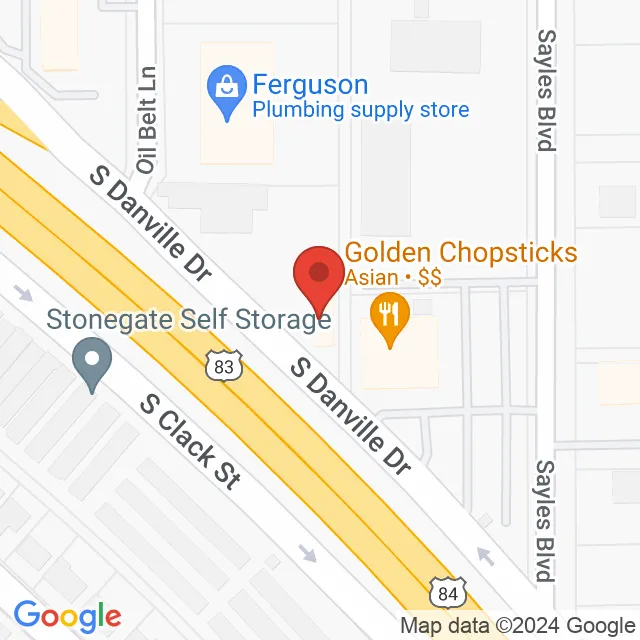
Yes, Black Plumbing is open 24/7. Our headquarters is the Abilene office at 4402 S Danville Dr.