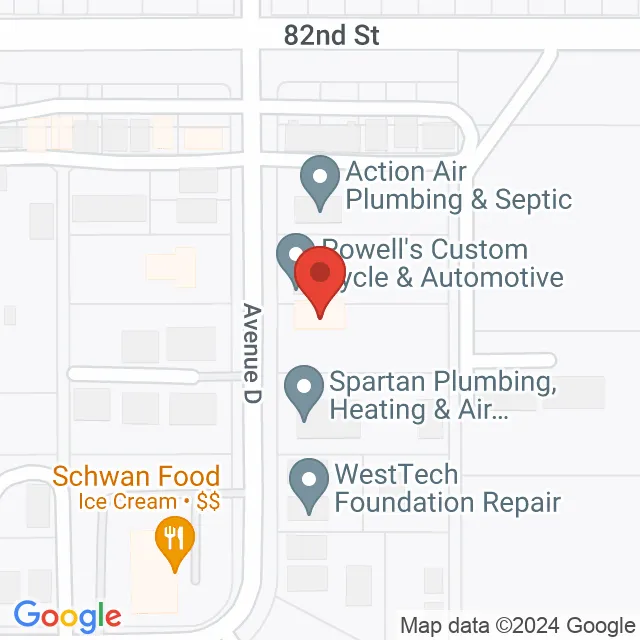
If the air in your Lubbock house feels stale, dusty or dry, should you buy a purifier or fix something else first? The EPA’s guidance points to fixing something else first. The U.S. Environmental Protection Agency ranks the steps in a clear order, and equipment comes last. Our heating and air technicians work out of 8215 Avenue D in Lubbock and are open 24/7. This guide walks through the order the EPA recommends so you spend effort where it counts.
The order that works: source, ventilation, then filtration
The EPA’s page on improving indoor air quality describes three strategies. The first is source control, which means removing or reducing whatever is putting pollution into the air. The agency says that removing individual sources is a direct way to cut pollution. The second is ventilation, which brings in outdoor air to dilute what is left. The third is air cleaning and filtration, which helps but does not replace the first two.
That order matters because a purifier running in a room with an active pollution source is working against a steady supply. Fix the source and the same machine has far less to do. It also explains why a purchase made in a hurry can disappoint.
Step one: find what is putting particles and fumes into your air
Walk through your house and ask what releases something into the air every day. Most homes have a few items on this list.
- Cooking. A gas range or a pan of hot oil releases particles and combustion byproducts. A range hood that vents outside, not back into the kitchen, takes them out of the house.
- Fuel-burning appliances. Furnaces, gas water heaters and fireplaces need a clear path for exhaust. The EPA lists leaking or back-drafting appliances and blocked or disconnected flues as sources of carbon monoxide.
- Household chemicals. Paints, solvents, aerosol sprays and strong cleaners release fumes while you use them and while they sit open in a closet or garage.
- Moisture. Wet spots from a plumbing leak or a clogged condensate line give mold what it needs to grow. Moisture control is the central step in preventing mold, according to the EPA’s mold and your home guidance.
- Pets, carpet and bedding. Hair, dander and dust gather in soft surfaces. Washing bedding and vacuuming with a sealed or high-capture filter keeps these from being stirred back into the room.
Plumbing belongs on that list for a reason that is easy to miss. A slow leak inside a wall or under a sink adds moisture to the house all day. If you smell something musty near a cabinet, call a plumber before you call anyone about the air. Our leak detection and repair team in Lubbock can trace a hidden leak so the damp source gets fixed and not just covered up.
Step two: ventilate without wasting your heating and cooling
The EPA suggests opening windows and doors when the weather allows, using window or attic fans, and running exhaust fans in kitchens and bathrooms. It also advises extra ventilation during activities that release a lot of pollutants, such as painting or cooking. The agency adds a caution: if there is smoke or a pollution source outdoors, bringing in more outside air can make things worse.
A few habits cover most of this without any equipment at all.
- Run the bathroom fan during a shower and for a while afterward so moisture leaves the house instead of settling on walls.
- Turn on the kitchen hood any time you cook, and make sure it vents outdoors.
- Open windows for a short stretch when you paint, use strong cleaners or finish a project that creates fumes.
- Do not block supply registers or return grilles with furniture. Blocked airflow makes the system work harder and leaves some rooms stagnant.
If your house is closed up tight for much of the year, a technician can look at whether the system is moving enough air and where it is moving it. That is a different question from whether you need a new device, and it is a good one to answer first.
Step three: the filter in your system is the first place to improve filtration
The EPA draws a useful line between two kinds of filtration. Portable air cleaners filter one room or area. Furnace and central HVAC filters work on the air in the whole house, because the blower pulls house air through them every time the system runs. The agency recommends upgrading the central filter as one way to improve indoor air.
The EPA’s explanation of MERV ratings says that if you upgrade, you should choose at least MERV 13 or the highest rating your system fan and filter slot can accommodate. Those last words are the important ones. A denser filter pushes back against the blower. If a system was not built for it, you can end up with weaker airflow, which is the opposite of what you wanted. Before you buy a thicker filter, have a technician confirm what your equipment can handle.
Two more points about filters:
- Every filter needs periodic replacement. A clogged filter loses its benefit and restricts airflow, so follow the schedule in the manufacturer’s directions for the filter you install.
- The filter only helps if air actually passes through it. Gaps around the filter slot let air go around it, which a technician can check during a visit.
Step four: decide whether a portable cleaner or whole-home equipment is worth it
If you have done the first three steps and still have a problem, a purifier may make sense. The EPA is straightforward about their limits. Portable air cleaners and HVAC filters can reduce indoor air pollution but cannot remove all pollutants from the air. The agency also notes that effectiveness depends on how well a unit captures particles and how much air it moves, and that most air cleaners are not built to remove gases.
That leads to a few practical questions to ask before buying anything:
- What is the problem I am trying to solve: particles, odors, moisture or something else?
- Does this device address that specific problem, or is it a general promise?
- Is it sized for the room, and will I really run it?
- Does it need maintenance that I will keep up with?
If you want help deciding what fits your system, our indoor air quality solutions in Lubbock page explains what we offer, and a technician can look at the ductwork and equipment before you spend money. If you are weighing duct cleaning, our sibling article on signs you need air duct cleaning in Lubbock covers when it is and is not worth doing.
Why the water side of the house matters to the air side
Lubbock sits on the Llano Estacado and draws much of its water from the southern Ogallala Aquifer. The Texas Water Development Board reports that Ogallala water quality declines toward the south, with large areas carrying more than 1,000 milligrams per liter of dissolved solids. We mention this because mineral-heavy water leaves scale in fixtures and lines, and scale buildup can hide slow weeping from valves and connections. A hidden drip is a moisture source, and moisture is the thing the EPA says to control. Good indoor air starts with a dry house.
It also means a home’s plumbing and heating and air systems share responsibility. A condensate line that backs up, a water heater that leaks at the base or a supply line that weeps behind a wall can all raise humidity inside. When we look at an air quality complaint, we keep the whole house in mind.
What Lubbock customers say
Jonah S., a Lubbock customer, wrote in September 2026 that the team is “always helpful and happy to help explain what the situation is and potential options for what work needs to be done.” That is how we approach an air quality visit. We tell you what we find, lay out the options and let you decide.
Frequently asked questions about indoor air quality in Lubbock
Do I need an air purifier?
Not always. The EPA says reducing sources and ventilating come first, and filtration is a supplement. If you have fixed the sources and still have symptoms or odors, a purifier or a filter upgrade may help. Decide what problem you are solving first.
How often should I change my system filter?
Check it monthly and replace it when it looks dirty. The right schedule depends on the filter type, your household and how much the system runs. Follow the instructions that come with the filter, and ask a technician if you are unsure.
Is a higher MERV filter always better?
No. The EPA recommends at least MERV 13 or the highest rating your system can accommodate. A filter too dense for your blower can restrict airflow. Have your system checked before you upgrade.
Can a plumbing problem affect my indoor air?
Yes. Leaks and damp spots add moisture, and the EPA says moisture control is the key to mold control. If you find a musty smell near a sink, wall or water heater, have the source located and repaired.
Who should I call about indoor air quality in Lubbock?
Our licensed heating and air technicians can inspect your system, filter and ductwork and talk through options. Black Plumbing Heating and Air has served customers since 1994 under Texas HVAC license TACLA145786C.
Talk to a Lubbock technician about your air
If you would like a second set of eyes before you buy equipment, call us at (806) 787-2200. We are at 8215 Avenue D, Lubbock, TX 79404, and we are open 24/7. You can also read more about our work on the Lubbock location page.