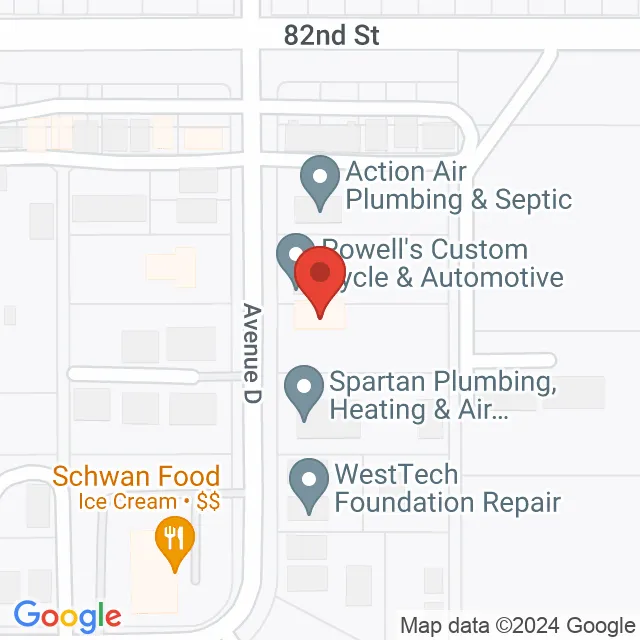
Dust on the dresser, a stuffy smell when the system kicks on, or a vent that looks grimy: any of these can send a Lubbock homeowner searching for air duct cleaning. The better question to ask first is this: are my ducts actually dirty enough to need cleaning, or is the dust coming from somewhere else? The answer decides whether you spend money on a cleaning, a duct repair, a new filter, or nothing at all. Our heating and air technicians work out of 8215 Avenue D in Lubbock, and we are open 24/7 to help you sort it out.
Start with what the EPA says about duct cleaning
Many duct cleaning ads promise a healthier home. The U.S. Environmental Protection Agency is more careful. In its guide Should You Have the Air Ducts in Your Home Cleaned?, the agency says that duct cleaning has never been shown to prevent health problems, and that studies do not conclusively show dust levels in a home rise because of dirty ducts. Much of the dirt in a duct sticks to the metal and never reaches the room.
That does not mean you should ignore your ducts. The same guide lists the situations where cleaning makes sense. We find that list a useful way to sort signs from noise, and we use it when a Lubbock customer asks us to look at their system.
Signs that point to real duct trouble
The EPA says to consider cleaning if one of three things is true. Each one is something a technician can verify with a flashlight or an inspection camera, so you do not have to take anyone’s word for it.
- Substantial visible mold inside the ducts or on the system. A few spots on a vent cover are not the same thing as growth inside hard-surface ductwork. The EPA also notes that something that looks like mold may not be, and that a firm answer can require lab analysis. Ask any provider to show you the growth they claim to see.
- Vermin or pests in the ducts. Droppings, nesting material, or a dead animal in the air path are good reasons to clean. A sharp, sour smell that gets worse when the blower runs can be one sign.
- Ducts so clogged with dust that debris is released into the living space. If you can see dust puffing out of the registers when the fan starts, the ducts are past the point of light dust.
If none of those apply, a cleaning is unlikely to change your air quality in any way you will notice. That is a direct answer, and it is one we would rather give you than sell you a service you do not need.
Signs that look like duct problems but are not
Several common complaints send people toward duct cleaning when the real cause is somewhere else. Here are the usual suspects.
- Dust that returns a day after you wipe. Household dust comes from fabric, pets, skin, outdoor air, and open doors. Leaky ducts can also pull dust in from the attic or crawlspace, and ENERGY STAR guidance on replacing and improving HVAC systems notes that excessive dust is one sign of duct leakage. In that case the fix is sealing the ducts, not scrubbing the inside of them.
- A musty smell at the vents. This can come from mold in the ducts, but it can also come from a plugged condensate drain, a dirty evaporator coil, or a wet filter. The ENERGY STAR maintenance checklist lists the condensate drain as a standard part of a tune-up, because a blocked drain can cause water damage and change indoor humidity.
- Weak airflow from one room. This is usually a crushed flex duct, a disconnected run, a closed damper, or a dirty filter. Cleaning will not fix any of those.
- Higher energy bills. A dirty filter, aging equipment, or leaky ducts are all more likely suspects than dust in the duct walls. ENERGY STAR says sealing and insulating leaky ducts can improve system efficiency by as much as 20 percent, and sometimes more, which is a larger effect than cleaning would have.
- Allergy symptoms. Indoor air has many sources of particles, from cooking to pets to pollen that comes in on clothing. The EPA points out that these sources can cause greater exposure than dirty ducts. Source control and good filtration usually help more.
A quick check you can do yourself
Before you call anyone, try this short routine. It costs nothing and often answers the question.
- Pull the filter and look at it. ENERGY STAR advises checking it every month in heavy-use months and changing it at least every three months. A gray, matted filter explains a lot of dust and weak airflow.
- Remove one supply register cover and shine a flashlight into the duct. Light dust is normal. Thick fuzzy growth, standing moisture, or droppings are not.
- Look at the registers after the system starts. If dust puffs out, note which rooms.
- Smell the air at the return grille with the system running. Then smell it again with the system off. If the odor shows up only when the blower runs, the system is carrying it.
- Check around the air handler for water stains or a damp floor. Moisture is what mold needs, and the EPA’s mold and your home guidance stresses that moisture control is the key to mold control.
Write down what you find. A technician can do far more with “dust puffs from the two back bedrooms and the filter is gray” than with “the air feels off.”
What a Lubbock inspection looks like with us
When you ask us to look at your ducts, we start by listening. Where is the dust worst? Does the smell change with the season? Has anyone worked in the attic recently? Then we check the filter, the return and supply registers, the air handler cabinet, the coil, and the condensate drain. If the evidence points to a problem in the ducts, we show it to you before we recommend anything.
From there we explain the options in plain terms. Sometimes the answer is a filter change. Sometimes it is a coil cleaning or a drain clear. If there is real contamination, we explain what a cleaning will and will not do, and we point out any moisture source that has to be corrected first, because mold will come back if the water is still there. Our indoor air quality solutions in Lubbock cover the next step when filtration or ventilation is a better fit than cleaning.
Why moisture is the real driver in Lubbock homes
Ducts that stay dry rarely grow anything. Ducts that sweat do. The usual causes are a poorly insulated supply duct running through a hot attic, a clogged condensate line, or a leak that lets wet air into the system. A plumbing leak near an air handler can do the same job. Because we are both a plumbing and an HVAC company, we can trace a moisture problem to its source instead of handing you off.
The Lubbock plumbing hub notes that lines run under the slab in most Lubbock homes and that the region’s expansive clay shifts with wet and dry cycles. A slow leak near a return duct or a closet air handler is not rare, and we check for it when a musty smell is the main complaint. You can read more about our work across the city on the Lubbock page.
How to protect your ducts after any cleaning or repair
The EPA recommends prevention over repeat cleaning, and the steps are simple.
- Use the right filter for your system and change it on schedule.
- Keep the area around the return grille clear, and do not run the system without a filter during remodeling.
- Seal and insulate ducts in the attic and crawlspace. ENERGY STAR recommends mastic or foil tape on the seams, followed by insulation.
- Fix leaks and condensation quickly, because moisture is the thing that turns dust into a mold problem.
- Schedule a tune-up before each season. ENERGY STAR suggests the cooling system in spring and the heating system in fall.
How to choose a duct cleaner, if you do need one
If an inspection does show a reason to clean, the EPA suggests asking a few direct questions. Does the provider use equipment that protects the system and keeps debris from spreading? Will they show you photos or video before and after? Will they cover and repair any access holes they cut? Be careful about anyone who says cleaning will cure allergies or who wants to apply chemical biocides inside the ducts without a clear reason. The EPA lists biocide use as an unresolved issue that deserves caution.
What Lubbock customers say
“Black plumbing came out to help me with my plumbing needs on a Saturday.” wrote Carlye H., a Lubbock customer, in September 2026. Weekend availability matters when a smell or a leak will not wait. Another Lubbock customer, Jonah S., said in September 2026 that the team is “always helpful and happy to help explain what the situation is and potential options for what work needs to be done.” That is how we handle ducts too: we explain the situation and the options, then you decide.
Frequently asked questions about air duct cleaning in Lubbock
How often should ducts be cleaned?
There is no set schedule, and the EPA does not recommend routine cleaning. Clean when there is a clear reason, such as visible mold, pests, or heavy debris. Between those events, a clean filter and a dry system do more for you than a calendar date.
Will duct cleaning lower my energy bill?
Probably not by much. Leaky ducts, old equipment, and dirty filters waste more energy than dusty duct walls. Sealing and insulating ducts is the step ENERGY STAR ties to measurable efficiency gains.
Is mold in the vents dangerous?
Mold can aggravate allergies and breathing problems, and the EPA says visible mold growth is one of the situations that justifies cleaning. The first job is to find and stop the moisture. Cleaning without fixing the source is a short-term answer.
Can you tell me whether my ducts need cleaning over the phone?
No, and we would not trust anyone who says yes. We need to see the ducts, the filter, and the equipment. We can look at all three and give you a straight answer.
Talk to a Lubbock HVAC technician
If you are unsure whether your ducts need cleaning, repair, or nothing at all, call us at (806) 787-2200. We are at 8215 Avenue D, Lubbock, TX 79404, and we answer around the clock. Tell us what you are seeing and smelling, and we will tell you what we find.