Why does your air conditioning (AC) in Stamford turn on, run for a few minutes and shut off again, over and over? That pattern is called short cycling, and it has a short list of likely causes: a thermostat in the wrong place, a system that is too big for the house, restricted airflow, a frozen coil, a failing electrical part or a refrigerant problem. This post explains how to tell which one you may have and what a technician does about it. Black Plumbing Heating & Air serves Stamford homeowners and has served West, Central and North Texas since 1994.
What short cycling is
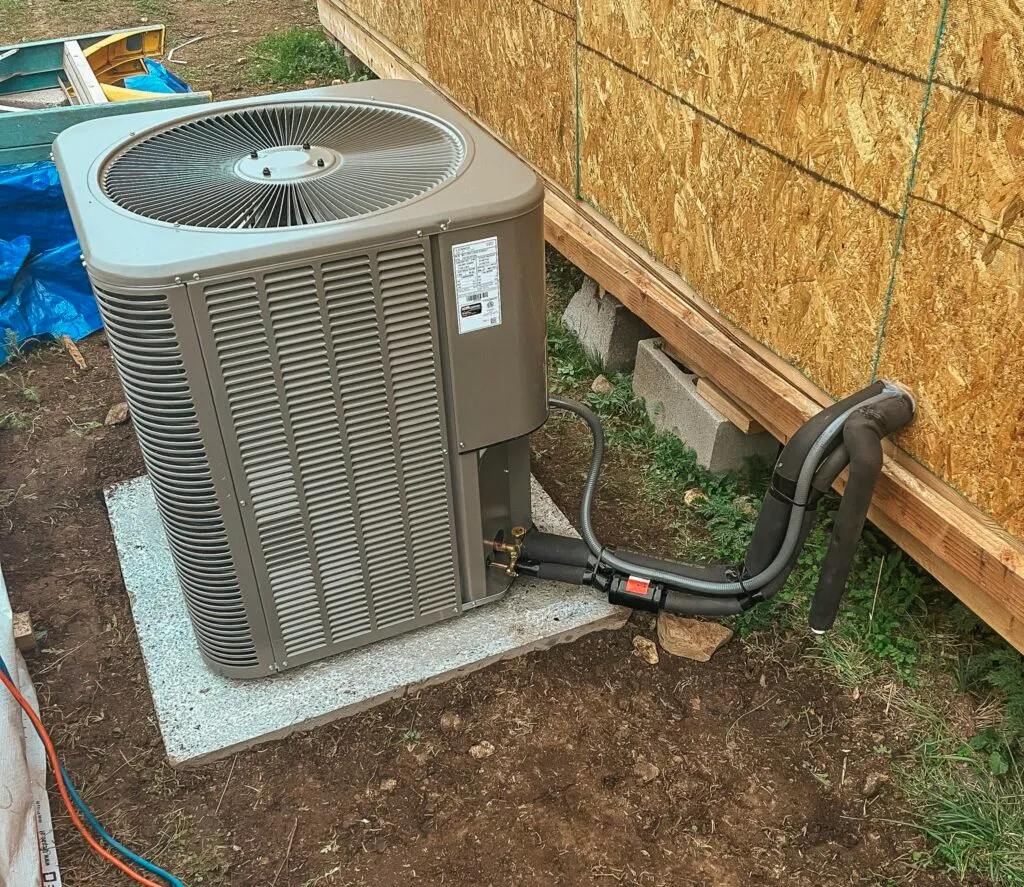
A normal cooling cycle runs long enough to bring the house down to the thermostat setting and pull moisture out of the air, then shuts off. In short cycling the system starts, runs briefly and stops before it finishes that job, then starts again soon after. You may notice a house that never feels quite cool, a sticky or humid feel indoors, a system that clicks on and off and a power bill that climbs even though the equipment seems to run less in each cycle. Each start puts more strain on the compressor and the fan motors than steady running does, so the pattern wears equipment down faster.
Short cycling is a symptom, not a diagnosis. The goal is to find the reason the system is shutting off early. The causes below run from the simplest to the most involved.
Cause 1: a thermostat in the wrong place or a faulty control
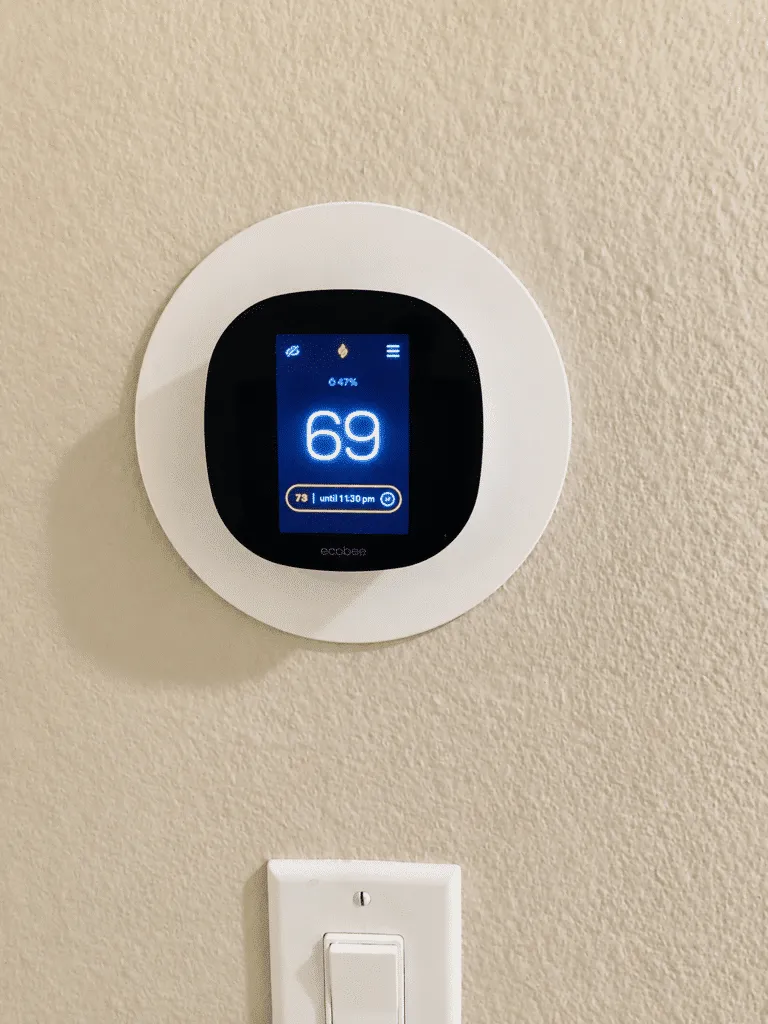
The thermostat decides when the system starts and stops, so if it reads the wrong temperature, the system obeys the wrong information. A thermostat placed near a supply vent, in direct sun, close to a kitchen or on an exterior wall can read colder or warmer than the rest of the house and end the cycle early. A control that has failed or has weak batteries can also cause odd starts and stops.
What to check: look at where the thermostat sits and whether the display looks normal. Replace batteries if it uses them. ENERGY STAR’s heating and cooling maintenance checklist advises checking thermostat settings so the system keeps you comfortable at home and saves energy when you are away. If the settings are right and the problem remains, a technician can test the control and the wiring and move or replace the thermostat if needed.
Cause 2: a system that is too large for the home
An air conditioner that is bigger than the house needs cools the air quickly, reaches the set temperature and shuts off before it has run long enough to remove humidity. Then it restarts when the temperature drifts up. The result is a pattern of short runs and a house that feels cool but clammy. This can happen when a replacement system was chosen by matching the old one, without checking the actual needs of the home.
EPA’s duct cleaning guidance includes a related reminder in its prevention list: make sure replacement air conditioning units are properly sized. That is the kind of detail that shows up only when someone does the calculation. If an oversized unit is the cause, the options range from adjusting how the system operates to considering a different system. Our AC installation and replacement page explains how we size equipment to the home.
Cause 3: restricted airflow from a dirty filter or blocked returns
When too little air moves across the indoor coil, the system overheats or the coil gets too cold, and safety controls shut it down. This is a frequent reason for a system that will not run a full cycle, and it is also the easiest one to check yourself.
ENERGY STAR says to inspect, clean or change filters monthly in central air conditioners, furnaces and heat pumps, and notes that a dirty filter raises energy costs and can lead to early equipment failure. It also says airflow problems can cut system efficiency by up to 15 percent.
What to check:
- Pull the filter and look at it. If it is gray, matted or loaded with dust, replace it.
- Make sure supply vents are open and that furniture, rugs or curtains do not block them.
- Check that return grilles are clear.
- Look at the outdoor unit for leaves, grass clippings or debris that could block airflow across the condenser.
If you are in a dusty area or a home with pets, the filter may need attention more often. For help beyond the filter, our indoor air quality solutions can reduce what the system has to handle.
Cause 4: a frozen evaporator coil
The evaporator coil gets cold when the system runs. If airflow is low, or the refrigerant charge is off, the coil can drop below freezing and ice can form on it. Ice blocks airflow, which makes the freeze worse, and the system can shut down or run poorly until the ice melts.
Signs: ice on the coil or refrigerant line, water dripping near the indoor unit as ice melts, weak airflow and warm air from the vents.
What to do: turn the system off at the thermostat and let the ice melt. Do not chip it away. Then have a technician find out why it froze, because a new filter alone does not address a refrigerant or blower problem.
Cause 5: electrical component trouble
A weak capacitor, a worn contactor or a failing motor can cause a system to start, struggle and stop. These parts carry electrical load, and they can fail gradually, so the system may run for a short while and then quit. Do not open electrical panels yourself, since capacitors can hold a charge. A technician tests voltage and current at the motors and replaces what has failed. ENERGY STAR’s list of annual tasks includes tightening electrical connections and measuring motor voltage and current, which is exactly how many of these problems are caught early.
Cause 6: refrigerant that is too low or too high
Refrigerant does not get used up. If the level is low, there is a leak. If it is too high, someone overcharged the system. Either way, ENERGY STAR says too much or too little lowers efficiency and shortens equipment life. Low refrigerant can lead to a frozen coil and to shutdowns by protective controls.
Only a trained technician should check or adjust refrigerant. The technician should measure the charge, look for the leak and explain the repair options before anything is added.
Cause 7: a drain or safety switch problem
Many systems have a switch that shuts the unit down when the condensate drain backs up. A clogged drain can cause that switch to trip and stop the system, and it can also cause water damage. ENERGY STAR advises inspecting the condensate drain for this reason. If you see water around the indoor unit or a full drain pan, turn the system off and call.
How a technician diagnoses short cycling
- Observe the pattern. How long does the system run, and what happens before it stops?
- Check the thermostat. Location, settings and wiring are reviewed.
- Inspect airflow. Filter, vents, returns, blower and coils are examined.
- Test the electrical side. Capacitors, contactors and motors are measured.
- Measure the refrigerant charge and look for signs of a leak.
- Check sizing and the condensate drain when the pattern points that way.
- Explain the findings. You hear what is causing the problem and what the choices are.
Our AC and HVAC repair service follows that kind of process, working from the simplest cause to the most involved. Regular upkeep also helps, and our AC maintenance service covers the seasonal checks ENERGY STAR describes. For plumbing and other services near you, see the Stamford plumber page.
What you can do now and what to avoid
- Do: check the filter, make sure vents are open and look at the outdoor unit and thermostat.
- Do: note how long each cycle lasts and whether there is ice or water.
- Do not: keep running a system that is icing up or tripping a breaker.
- Do not: add refrigerant, open panels or touch electrical parts.
- Do not: ignore short cycling because the house still feels cool. The strain on the equipment continues.
Frequently asked questions about AC short cycling in Stamford
Is short cycling an emergency?
Not always, but it should not be left alone. If the system also blows warm air, trips a breaker, shows ice or someone in the home is at risk from heat, treat it as urgent. We are open 24/7.
Can a dirty filter really cause short cycling?
Yes. A clogged filter restricts airflow, which can make the system overheat or freeze the coil and shut itself off. Replacing the filter is a good first check, but if the pattern continues, other causes need to be ruled out.
Could my AC be too big?
It can be. An oversized system cools fast and shuts off before it removes much humidity. A technician can tell you whether sizing is likely to be the cause.
How can I reduce the chance of short cycling?
Change the filter regularly, keep vents and returns open, keep the outdoor unit clear and schedule a seasonal tune-up. These steps cover frequent triggers.
Get your Stamford system checked
If your system keeps cycling on and off, contact us and describe what you see. We will help you figure out the cause and the right fix.