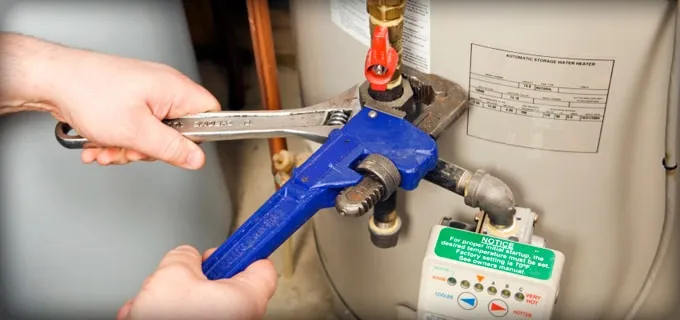
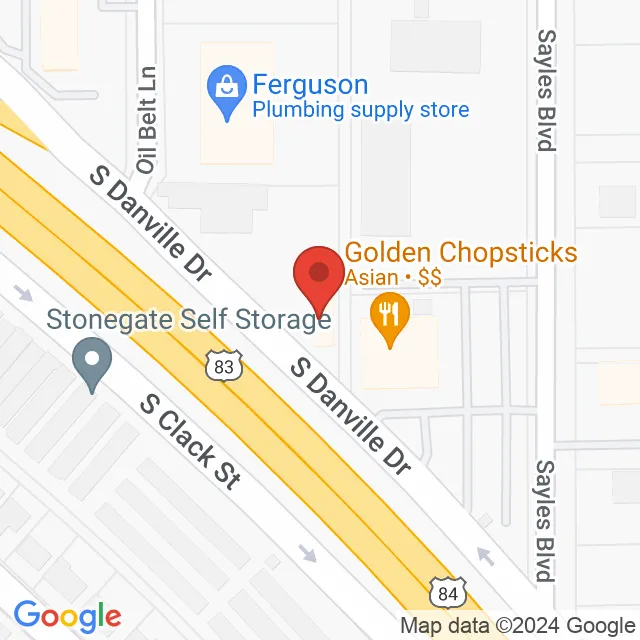
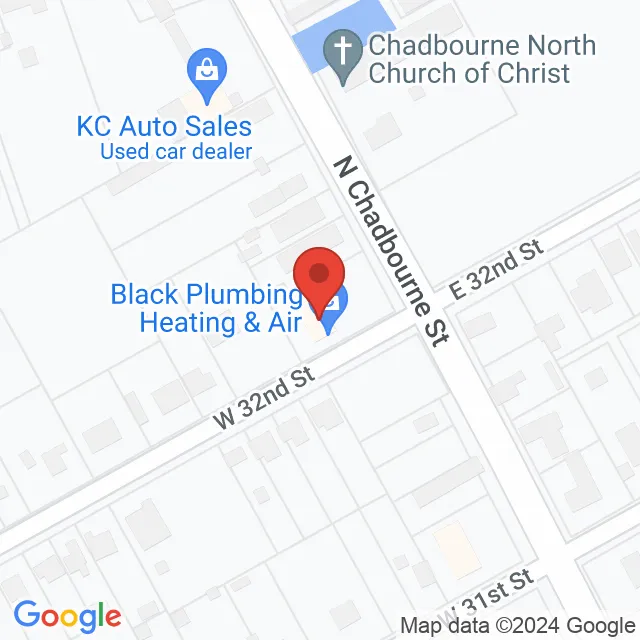
Nobody thinks about the water heater until the shower runs cold. In winter, that moment tends to arrive at the worst time. The incoming water is colder, the household uses more hot water for showers, laundry and dishes, and a heater that was marginal in October can start to fall short. This post lists what to check on a tank water heater before and during cold months, what the checks tell you, and which findings are for a plumber. Black Plumbing Heating & Air has been family-owned in Abilene since 1994, and our main office is at 4402 S Danville Dr, Abilene, TX 79605. We answer calls 24/7.
What changes for a water heater in winter
A tank water heater has one job: raise the temperature of the water coming in and hold it ready. In cold weather, that job gets harder in three ways.
- Colder incoming water. The heater has to add more heat to reach the set temperature, so the burner or elements run for longer stretches.
- More demand. Longer showers, more laundry and visitors at home draw down the tank faster.
- Colder surroundings. A heater in a garage, an exterior closet or an unheated utility room loses heat to the air around it, and the pipes connected to it are exposed to freezing temperatures.
None of these will damage a healthy heater. They do expose a heater that already has a problem, which is why winter is when a weak heater tends to show itself. A short checkup before the cold arrives often finds the problem while it is still minor.
Check the heater and the space around it
Begin with a look. Switch nothing off yet, just observe.
- The floor and the base. Look for water, rust-colored stains or a damp pan. A small leak at a fitting is a repair. A leak from the tank itself usually means the tank is at the end of its life.
- The connections. Look at the fittings on the hot and cold lines at the top of the tank for mineral crust, green corrosion or drips.
- The temperature and pressure relief valve and its discharge pipe. The pipe should be in place and aimed down. A valve that drips often can mean pressure or temperature is too high.
- Clearance. Boxes, paint, cleaning products and anything flammable should not sit near a gas water heater. Leave open space around it.
- The exhaust and combustion area on a gas unit. You should see no soot, no scorching and no rust streaks on or around the vent.
- The age on the data plate. The serial number on the label usually encodes the manufacture date. Knowing it helps you judge whether a repair makes sense.
If you smell gas, leave the house and call the gas utility from outside. Do not use a light switch or phone inside. If you see soot, scorching or signs of poor venting on a gas unit, switch the heater off and call us.
Sediment and scale: the quiet winter problem
Minerals in the water settle in the bottom of a tank over time. The U.S. Geological Survey explains that water hardness is mainly dissolved calcium and magnesium, and that when hard water is heated, solid deposits of calcium carbonate can form (USGS water hardness overview). The USGS says this scale can reduce the life of equipment, lower the efficiency of electric water heaters, and clog pipes.
In a tank, that scale and sediment collects at the bottom, where the burner or the lower element works. Signs of heavy buildup include:
- Popping, rumbling or knocking noises when the heater runs.
- Hot water that runs out sooner than it used to.
- Cloudy or gritty water from the hot tap.
- A gas burner that runs longer than before for the same amount of hot water.
Flushing a tank removes loose sediment, but only if the drain valve is in good condition and the buildup has not hardened into scale. On an older heater, opening a drain valve that has not been touched for years can cause it to leak or clog. If you are not sure the valve will close again, leave that job to a plumber. Our water heater team can flush the tank, check the condition of the unit and tell you honestly whether the tank still has life in it.
Anode rod, thermostat and pilot
Several parts inside and on the heater affect how it behaves in the cold season.
- The anode rod. This rod sits inside the tank and corrodes in place of the tank steel. When it is used up, the tank itself starts to corrode. Checking it requires access at the top of the tank, and some units are installed too tightly to reach it. A technician can check it and replace it when needed.
- The thermostat setting. Raising the setting to chase a shortage of hot water adds scald risk and does not solve a sediment or heating element problem. Check that it is set at a safe level and have a technician look if the water still falls short.
- The pilot or igniter on a gas unit. A pilot flame that is yellow, flickers heavily or keeps going out should be looked at. Drafts in a garage can blow out a pilot on a cold night.
- Heating elements on an electric unit. A failed upper or lower element can cause lukewarm water or short supply. The circuit breaker should be checked first before anyone assumes the element has failed.
Protect the pipes around the heater
The heater itself is protected by its own warmth, but the pipes attached to it are not. In a garage or an unheated closet, the cold and hot lines connected to the tank can freeze before the tank does. The American Red Cross lists pipes in unheated interior areas such as basements, crawl spaces, attics and garages among those that freeze most often, and recommends insulating both hot and cold water pipes in those areas (American Red Cross on frozen pipes).
Practical steps for the pipes near a heater:
- Fit pipe insulation sleeves on the first stretch of hot and cold pipe leaving the tank, if they are not already in place.
- Keep garage doors closed in freezing weather when the heater is in the garage.
- Do not wrap insulation over the relief valve, the vent, the burner access or the controls.
- Follow the manufacturer instructions for any insulating blanket on the tank. Gas units need airflow and clear access to the burner area and controls.
For the rest of the house, our winter plumbing maintenance checklist covers the rest of the house, and if a line does freeze, our emergency plumbers are available around the clock.
Signs the heater is past repair
Heaters do wear out, and winter is a hard time to find out your tank has failed. These signs suggest it is time to talk about replacement rather than another repair.
- Water around the tank that is coming from the tank body and not from a fitting.
- Rust-colored hot water that continues after a flush.
- Repeated repairs on the same unit.
- A unit that is old enough that parts are hard to find.
- Loud rumbling that does not stop after the sediment is addressed.
It is far better to replace a heater on a day you choose than on a morning when it floods the garage. Read our post on when you need water heater repair for more on the repair-or-replace decision.
A short cold-season routine
- Walk past the heater each week and look at the floor and the fittings.
- Listen for new noises when it heats.
- Note how long the hot water lasts. A change over a few weeks is a signal.
- Keep the area around the heater clear.
- Insulate the exposed pipes nearby.
- Have a technician check the heater, the relief valve and the anode rod before the coldest part of winter.
Frequently asked questions about water heater care in cold months
Why does my hot water run out faster in winter?
Colder incoming water means the heater has to add more heat, and the household often uses more hot water in cold weather. If the problem is sudden or severe, sediment, a failed element or a worn dip tube may be involved, and a technician can find out which.
Should I turn up the water heater thermostat in winter?
Raising the thermostat adds scald risk and will not fix a heater that has a sediment or element problem. Keep it at a safe setting and have the unit checked if the supply falls short.
Can I flush the tank myself?
Some homeowners do. The risk is an old drain valve that leaks or will not close. If you are unsure of the valve, or the unit is old, call us and we will do it.
What should I do if the water heater leaks?
Turn off the power or gas to the heater and close the cold water supply valve to the tank. Then call us. A leak from a fitting is usually repairable. A leak from the tank body usually means replacement.
Get the heater checked before the cold
If your water heater is noisy, running short or leaking, call us at (325) 675-8391, or visit the Abilene office at 4402 S Danville Dr, Abilene, TX 79605. You can find the nearest office on our locations page.