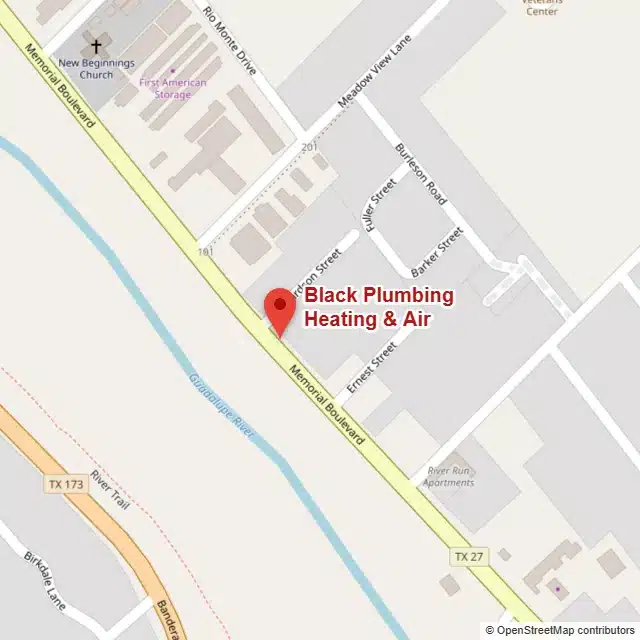
What does a Big Spring homeowner need to do to keep heating and air conditioning (AC) working all year, and when should each task happen? This guide goes season by season, so you know what to check yourself, when to bring in a technician and which signs mean a system should not wait. Black Plumbing Heating & Air works from 1105 E 3rd St, Big Spring, TX 79720, is open 24/7 and has served this region since 1994.
The yearly rhythm of an HVAC system
An HVAC system does two very different jobs. In summer it moves heat out of your house, and in winter it makes heat and distributes it. Most trouble appears when a system has to start a hard season after months of rest, which is why a quick check before each season pays off. ENERGY STAR recommends having a contractor do annual pre-season check-ups, with cooling checked in spring and heating in fall, because contractors get busy once summer and winter arrive. Its maintenance checklist also tells homeowners to inspect, clean or change filters monthly, since a dirty filter raises energy costs and can lead to early equipment failure.
Spring: get cooling ready before the heat arrives
- Replace the filter and set a reminder to check it each month.
- Clear leaves, grass and debris from around the outdoor unit and keep plants a few feet back.
- Turn the system on at the thermostat and confirm that it cools. Do this before the first hot week, not during it.
- Look at the condensate drain line and the area around the indoor unit for water stains.
- Schedule a tune-up with a technician.
A spring tune-up is the visit that gives you the most value. A technician cleans the coils, tests electrical parts such as the capacitor, checks the refrigerant level and clears the condensate drain. ENERGY STAR’s list of annual tasks includes cleaning both coils, checking refrigerant, adjusting blower components, inspecting the condensate drain and tightening electrical connections. Our AC maintenance service in Big Spring follows that kind of checklist.
Why outdoor equipment here needs extra attention
Big Spring sits in oil country where the ground carries salt, and wind moves that dust through town. It settles on the outdoor coil, where it can corrode aluminum fins and copper tubing over time until the system loses capacity or begins to leak refrigerant at the coil joints. Dust and mineral residue work on the outdoor unit all year. That is why our technicians rinse and inspect condenser coils during maintenance, and why a coil that looks fine from a distance can still deserve a closer look.
Summer: watch for signs of strain
Triple-digit heat pushes cooling equipment to its limit. Pay attention to these warning signs:
- The system runs constantly but the house does not reach the temperature you set.
- Warm air comes from the vents.
- Airflow is weak from one room or from the whole house.
- The outdoor unit makes clicking, buzzing or grinding noises, or does not start.
- Ice forms on the indoor coil or on refrigerant lines.
- Water leaks around the indoor unit.
- Your electric bill climbs with no change in habits.
If you see these signs, turn the system off at the thermostat so it does not keep running in a damaged state, then call. Our AC repair service in Big Spring diagnoses the actual fault before recommending a fix, and our emergency AC repair service handles failures that cannot wait.
Paula C., a Big Spring customer, wrote in October 2026 about a weekend breakdown: “We were worried we wouldn’t find anyone to help us on a Sunday, but they got right to us”. That is why we answer calls 24/7.
Fall: switch to heating
- Change the filter again.
- Test the heat before the first cold night, and listen for unusual sounds when it starts.
- Make sure vents and registers are not blocked by furniture or rugs.
- Keep the area around the furnace clear of stored items.
- Schedule a heating check with a technician.
ENERGY STAR notes that a heating check should include gas connections, gas pressure, burner combustion and the heat exchanger, because a cracked heat exchanger or dirty burner can make the equipment operate less safely and efficiently. EPA’s duct cleaning guidance adds that fuel-burning furnaces should be inspected before each heating season to guard against carbon monoxide. Do not skip this visit. Carbon monoxide has no smell, so a working carbon monoxide alarm in the home is a sensible backup.
Winter: what to watch for
- The furnace does not start, or starts and shuts off.
- Rooms are unevenly heated.
- Strange noises or smells when the system runs. If you smell gas, leave the home and call your gas provider or 911 from outside.
- The pilot light or ignition fails.
- The thermostat does not respond to changes.
If heat fails during a cold night, our emergency heater repair service in Big Spring is available 24/7.
Simple checks before you call
A few quick checks can save you a visit or give the technician better information. Confirm the thermostat is set to the right mode and temperature and that its batteries are fresh. Look at the breaker panel to see whether a breaker has tripped, and reset it only once. If it trips again, leave it off and call. Check that the filter is not clogged and that supply and return vents are open. Make sure the outdoor unit has clear space around it and that nothing has blocked the airflow. If none of that solves the problem, note what you see and hear so you can describe it clearly when you call.
Daily habits that help your system
ENERGY STAR advises checking thermostat settings so the system keeps you comfortable at home and saves energy when you are away. Avoid dramatic swings, such as dropping the setting many degrees in a hot house, which makes the system run long and hard. Close blinds on sun-facing windows during the hottest part of the day. Keep furniture and curtains off vents. Run bathroom and kitchen exhaust fans as needed so humidity does not build up. These small habits do not replace maintenance, but they reduce the load on the equipment you rely on.
Airflow and ducts
Airflow is the thread that ties many HVAC problems together. ENERGY STAR notes that airflow problems can cut system efficiency by up to 15 percent, and a blocked filter, closed vents, dirty coils or leaky ducts can all be behind them. If one room is always hotter or colder than the rest, or if the system runs a long time without reaching the set temperature, airflow is a good place to start. A technician can check static pressure, the blower and the ducts to see where the restriction lies.
Replace or repair: when the system is near the end
When a system keeps failing, or when repairs begin to outweigh the value left in the unit, a replacement may be the better path. We look at age, repair history, refrigerant type and how the repair compares with the value left in the system, and we explain the choice before you decide. A new system should be sized to the home, not swapped like for like, so it handles Big Spring summers without short cycling. Our AC replacement service covers that process.
Air quality as part of the plan
Dust and dry air are part of life here, and they affect both comfort and equipment. A clean filter on a regular schedule is the simplest step. For homes with allergy concerns or persistent dust, see our indoor air quality solutions.
Residential and commercial HVAC
We handle both. If you manage a business or rental property, our commercial HVAC services in Big Spring follow the same approach: diagnose first, explain the options and then repair or replace as needed. For a full overview of what we offer, see our HVAC services page.
Frequently asked questions about HVAC in Big Spring
How often should I have my system serviced?
ENERGY STAR recommends an annual pre-season check-up by a contractor, with cooling checked in spring and heating checked in fall. If you have a heat pump, the same system handles both seasons, so the technician will check both modes.
How often should I change my filter?
Check it every month and change it when it looks dirty. A dirty filter reduces airflow and can lead to early equipment failure, so a filter that looks clogged should not wait for a set date.
My system runs but does not cool. Should I keep it running?
No. Turn it off at the thermostat. A system that runs without cooling could be low on refrigerant, have a frozen coil or have a failing electrical part, and continued running can cause more damage.
Can you work on both heating and cooling?
Yes. Our technicians handle both, and our Texas HVAC license is TACLA145786C. Because we also do plumbing, one call covers problems on both sides of the house.
Call our Big Spring HVAC team
Start at the Big Spring plumbing and HVAC page or call (432) 935-1117. Our office is at 1105 E 3rd St, Big Spring, TX 79720.