Water filtration is easy to shop for badly. The marketing talks about pure water, but the useful questions are narrower: what is actually in your water, which of those things do you want gone, and what does the system you are considering do about them? A homeowner who answers those three questions first usually buys the right equipment once. A homeowner who skips them tends to buy a system that does something other than what they hoped.
Black Plumbing Heating & Air is a family-owned plumbing and HVAC company founded in Abilene in 1994, and we install water filtration through our local offices across West Central and North Texas. This guide covers the steps we suggest before you choose anything, drawing on the EPA’s published guidance on home water treatment.
Step one: learn what is in your tap water
The EPA’s home water treatment fact sheet begins with local water quality. If you are on a public water system, you can contact your water supplier and ask for the annual water quality report, sometimes called a consumer confidence report. It lists the levels of contaminants detected in the water, and the EPA says to compare those levels with its drinking water standards.
The EPA also notes that some contaminant levels stay constant through the year while others vary by season, weather or house. Lead, for example, typically gets into water when it leaches from lead pipes and solder in some homes. If you are worried about a contaminant that may vary, the EPA suggests having your water tested at a certified laboratory for dependable results. If your water comes from a household well, it recommends annual testing for nitrates and coliform bacteria. Source: EPA, Home Drinking Water Filtration Fact Sheet and its linked Home Water Treatment Facts publication.
Also notice what the EPA does not say. It does not say tap water from a public system is unsafe. It says that as long as contaminants are at levels no higher than EPA standards, the water is considered safe to drink for healthy people, and that some people choose treatment for taste, for specific concerns or because someone in the household has a weakened immune system.
Step two: decide what you want the system to do
Home water treatment serves different purposes. Write down which of these apply to you, because they point to different equipment.
- Better taste or smell. Often about chlorine or other aesthetic issues. The EPA notes that most tap water is treated with chlorine to kill microbes, and that some people object to the taste.
- Reducing a specific contaminant. Lead or another item identified in a report or test.
- Protecting someone with a weakened immune system. The EPA gives separate advice for people with severely weakened immune systems, who may be more vulnerable to microbial contaminants.
- Hard water and scale. Mineral buildup on fixtures, in water heaters and on glass. This is a different problem from contamination and often calls for a softener rather than a filter.
- Protecting the whole house. Treating every tap, including showers and appliances.
Step three: understand the two main layouts
The EPA describes two broad kinds of equipment, and the difference matters.
- Point-of-use devices treat water at one place: a pitcher, a faucet attachment, an under-sink unit or a filter on a refrigerator line. The EPA says these generally treat only the water that is consumed.
- Point-of-entry devices are connected where water enters the house, so they treat all the water. The EPA says some contaminants, such as radon and some organic chemicals, turn into gases and can be inhaled when showering, and that a point-of-entry device can reduce concentrations of these and of others that cause scaling, staining or odor.
Put simply: if your concern is drinking water at the kitchen tap, a point-of-use unit may be enough. If it is scale, staining, odor or the whole house, a point-of-entry system is worth considering. Plumbing is involved in the second case, which is where a licensed plumber helps. Black Plumbing holds Texas plumbing license M-40900, and our water filtration system installation page describes what we install.
Step four: read the label for certification
The EPA says it does not endorse specific units. Instead, it points to certification. Its fact sheet advises making sure the unit can address your specific concern and looking for independent certification of the manufacturer’s claims, noting that different units remove different contaminants. It specifically mentions that filters certified to ANSI/NSF Standard 53 for cyst removal give the greatest assurance of removing Cryptosporidium, and that you should follow the manufacturer’s instructions for use and replacement.
In practice, that means you should ask for the specific contaminants the certification covers and match them against your water report. A claim like cleaner water on a box tells you nothing. A certification listing the contaminant you care about does.
Step five: plan for maintenance
All units need maintenance. The EPA warns that activated carbon filters are designed to filter a certain amount of water, after which they become clogged and ineffective, and says to check the schedule and cost of replacement filters before you buy. It also notes that a carbon filter by itself is not designed to remove disease-causing organisms.
That has a practical consequence. A filter that is overdue for replacement is not a neutral object. It may no longer do what you installed it to do. When you compare systems, compare the maintenance as well: what has to be replaced, how often, whether you can do it yourself and what happens if you forget. Pick a system whose upkeep you will actually keep up with.
Where a filter does not help
A few jobs are mismatched with a filter alone.
- Hard water. The EPA describes water softeners as using an ion exchange resin to reduce hardness minerals such as calcium and magnesium. A carbon filter does not do that. If scale is your main complaint, ask about softening.
- Plumbing problems. Brown water from a rusty line, low pressure or a smell at the water heater are plumbing questions first. Our plumbing repair and maintenance team can look at those before you invest in treatment.
- Microbial contamination from a well or an emergency. The EPA says boiling water for a full minute is an effective way of killing Cryptosporidium, and recommends boiling in an emergency such as a flood.
If hard water is part of your situation, our post about installing a water softener covers that side in more depth, and the Lubbock guide to choosing among filter types compares options at the tap.
Questions to ask an installer
When you talk to any installer, ours included, a few questions separate a well-matched system from a guess.
- What is this system meant to remove or reduce, and how do we know that matches my water?
- Is it certified for those specific items, and can I see the certification?
- Where will it be installed, and does that location have room for service access?
- What has to be replaced, how often, and how will I know when it is due?
- What happens to water flow and pressure at the tap and in the shower?
- Does the system need a drain line, an electrical outlet or a bypass valve, and where will those go?
- If my water changes or I add a second concern later, can the system be added to?
The answers tell you how much thought has gone into the match. A vague reply to the first or second question is a warning sign, because those two define whether the equipment will do what you want.
What installation involves
For a whole-home unit, installation is plumbing work. The installer finds a suitable spot on the main line after the shutoff valve, cuts into the line, adds fittings and a bypass so the water can be routed around the unit during service, and connects any drain or power the equipment needs. The installer then restores water, checks for leaks, flushes the system and confirms that the flow is right at the fixtures.
An under-sink unit is a smaller job: a connection to the cold supply, a mounting position and sometimes a dedicated faucet. Either way, good installation includes showing you how to change the cartridge or media and where the shutoff for the unit is. If a new connection leaks or flow drops, call right away, because a poor fitting is easier to fix before it damages a cabinet or wall.
Do not skip the plumbing around the filter
A filtration system cannot make up for an old or damaged plumbing system. If your home has corroded supply lines, a failing water heater or low pressure, a filter may mask a symptom without fixing the cause. A short plumbing review before or alongside the installation makes sense, particularly in older homes where galvanized or mixed-metal lines may be present.
A short checklist before you call
- Request your water quality report from your water supplier, or test your well.
- List what you want to change: taste, a specific contaminant, scale or the whole house.
- Decide between treating one tap or the whole home.
- Look for independent certification for the contaminants on your list.
- Ask what the maintenance is and who will do it.
- Find where the main water line enters the house, because a whole-home unit installs there.
Frequently asked questions about home water filtration
Is my tap water safe without a filter?
Public water systems must meet national standards. The EPA says water meeting those standards is considered safe for healthy people. A filter addresses taste, specific contaminants or special health needs.
How do I know which filter I need?
Start with the water quality report or a lab test, then match the equipment and its certification to what you want removed.
Do I need a whole-house system or a tap filter?
A tap or under-sink filter treats drinking water. A whole-house system treats every tap and is the usual choice for scale, odor or shower concerns. The right choice depends on your goal.
Do filters need replacing?
Yes. The EPA says all units require maintenance and that carbon filters clog and stop working after a set amount of water.
Who installs a whole-home system?
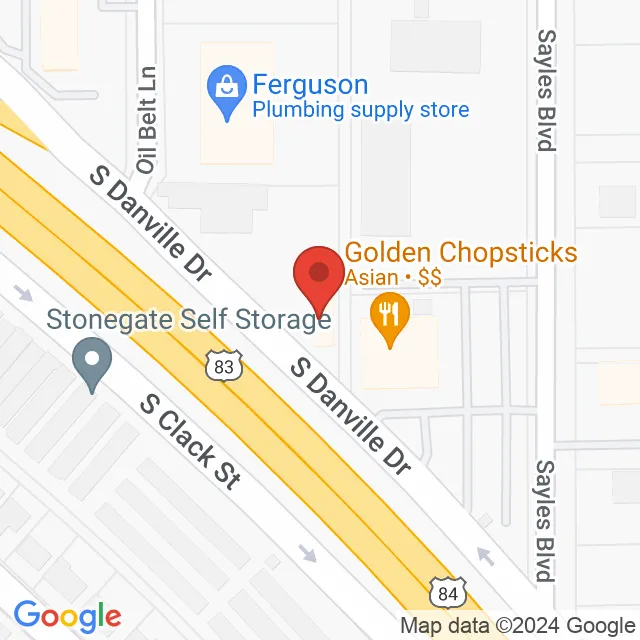
A licensed plumber. Contact the nearest Black Plumbing office. Our headquarters is the Abilene office at 4402 S Danville Dr, and we are open 24/7.