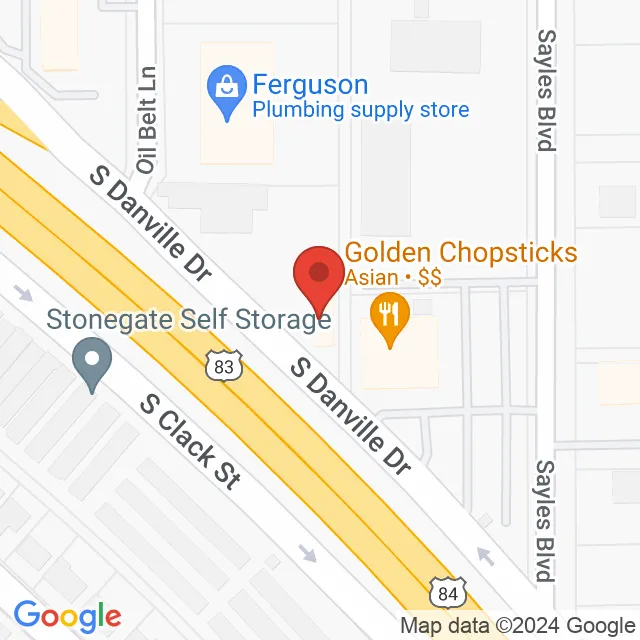
How do you tell the difference between a furnace that is just old and one that needs service today? Some warning signs mean you can book a visit next week. Others mean you should leave the house first and call second. This guide sorts the signs into three groups by urgency, so you know how fast to move. Black Plumbing Heating & Air has served Abilene since 1994, our office is at 4402 S Danville Dr, and our heating technicians are available 24/7. The advice below is written for gas furnaces.
Group one: leave the house and call for help
A few signs are about safety, not comfort. If you notice any of the following, get everyone and every pet outside, and make the call from outdoors.
- The smell of gas. Do not flip switches, use a lighter or start a car in an attached garage. Leave first.
- A carbon monoxide alarm sounding. The EPA’s page on carbon monoxide and indoor air quality calls the gas odorless, colorless and toxic and says it can kill before you are aware it is in the home.
- Headaches, dizziness, nausea or flu-like symptoms that clear up when you leave. The EPA lists these among the health effects of carbon monoxide exposure, along with fatigue and chest pain for people with heart disease.
- Soot, scorch marks or a burning smell around the furnace. This points to combustion or electrical trouble.
The EPA also lists back-drafting from furnaces and worn or poorly adjusted combustion devices among the sources of carbon monoxide in the home, as well as flues that are blocked, disconnected or improperly sized. When a technician inspects a furnace, the burner, the heat exchanger and the vent are checked for these reasons. A silent gas is why alarms matter. Test yours and place one near the bedrooms.
Group two: call today
These signs do not mean immediate danger, but they mean the furnace is failing in a way that will probably get worse. Turn the system off at the thermostat if it behaves strangely, and call.
- The furnace will not start. Check the thermostat setting, the breaker and the filter first. If those are fine, a control or ignition part may have failed.
- It starts, runs briefly and shuts off. A clogged filter or a blocked vent can make a furnace overheat and cut out. A failing flame sensor or ignition part can do the same.
- The blower runs but the air stays cool. The burner may not be lighting, or the gas supply may have been interrupted.
- Loud banging, scraping, squealing or rattling. Noise is a mechanical message. A delayed ignition bang, a worn bearing or a loose panel each sounds different, and each needs a person to look.
- A yellow or flickering burner flame. A healthy flame is generally blue. A different color can mean poor combustion.
- Water pooling near the furnace. That points to a plugged condensate drain or a leak, which can cause water damage and change indoor humidity, as ENERGY STAR’s maintenance checklist describes.
If the heat is out and the weather is cold, our emergency heating repair service in Abilene is open around the clock.
Group three: schedule a visit soon
The third group is subtle. Nothing is broken today, but the furnace is telling you it needs attention. These signs are where regular maintenance pays off.
- Uneven heating. Some rooms are warm and others stay cold. The cause may be airflow, ducts or a blower problem rather than the burner itself.
- Heating bills that climb with no change in how you use the house. A dirty filter, a worn part or an airflow restriction can make the system work harder.
- Short, frequent cycles. The furnace starts and stops often without holding the house at temperature.
- Dust or a musty smell when the heat starts. A light dust smell on the first run of the season is common. If it keeps going, something else is wrong.
- The thermostat and the furnace disagree. The display says one thing and the house feels another.
- A furnace that has gone a long time without a check. Age and neglect together are a risk factor.
Why maintenance changes the picture
ENERGY STAR recommends annual pre-season check-ups, with the heating system checked in the fall, since contractors get busy once winter arrives. The checklist says a maintenance visit should include checking gas connections, gas pressure, burner combustion and the heat exchanger. It explains that a dirty burner or a cracked heat exchanger makes equipment run less safely and efficiently. It also lists tightening electrical connections, lubricating moving parts, checking the starting cycle and checking airflow. Airflow problems alone can reduce a system’s efficiency by up to 15 percent, according to the same page.
That is the case for a tune-up in plain terms. Most items on the list can be done before a failure, and several of them, such as combustion and heat exchanger checks, are about safety. A furnace that has been looked at each fall is less likely to surprise you on a cold night.
What to expect when we come out
A service visit follows a clear order. The technician asks what you have noticed, then checks the thermostat, filter and power supply. Next they look at the ignition and burners, the flame, the heat exchanger, the blower and the venting. They run the furnace through a full cycle and watch how it behaves from start to shutoff. Then they explain what they found in plain language and lay out the options: repair, adjust or replace. You decide what happens next.
If a repair makes sense, we say so. If the furnace is near the end of its useful life, we will explain that too, with the repair option alongside it. You can read more about repair and replacement on our furnace repair and installation page for Abilene.
What a household in Abilene might notice first
Older Abilene homes bring their own clues. Our Abilene hub describes houses built before the 1980s with original equipment around them, and in that setting a furnace can be perfectly healthy while the ducts or return paths hold it back. If one room never warms up, the furnace may be blameless. A technician who looks at the whole system, not only the burner, will tell you which it is.
The same logic applies to a newer build: the furnace is one part of a system, and the symptoms you notice tell you where to look. A cold bedroom suggests airflow. A system that cycles on and off in quick succession suggests a control or sizing question. A smell that shows up only when the blower runs may come from the ducts. Describing what you notice, and where, helps the technician find the cause faster.
A short note on pilot lights and ignition
Older furnaces may use a standing pilot, and newer ones use an electronic ignition. If a pilot keeps going out, or the burner clicks and fails to light, the ignition system needs attention. Do not keep relighting a pilot that will not stay lit. Repeated attempts can let unburned gas build up. Turn the system off and call.
Why a service call is not the same as a replacement
A furnace problem can come down to a modest repair: a cleaned sensor, a replaced igniter, a new capacitor or a corrected airflow problem. A noisy or short-cycling furnace is not automatically a dead one. The diagnosis is what separates the two, which is why the technician should show you the failed part, explain how it caused the symptom and tell you whether anything else is likely to follow. That order, symptom first and cause second, keeps you from paying for a system you did not need.
What you can do right now
- Replace the filter if it looks gray and matted.
- Test your carbon monoxide alarm.
- Make sure the registers and the area around the furnace are clear.
- Write down any sounds, smells or cold rooms, with the date.
- Call before the first cold snap, not after.
One more habit is worth building. Keep a note on your phone or on the furnace itself with the date of the last filter change and the last professional visit. When something goes wrong, that record tells the technician how long the system has been running without attention, and it tells you when the next check is due. It is a small thing, but it turns a vague worry into a clear starting point for the call.
When a furnace is more than a repair
Sometimes the honest answer is that the equipment has reached the end. If repairs are frequent, parts are hard to find or the heat exchanger is cracked, replacement may be safer than another repair. We will walk through the signs with you and answer your questions without pressure. Our Abilene office is rated 4.8 out of 5 on Google, so you can read what neighbors say before you decide.
Book furnace service in Abilene
You can see everything we handle on the Abilene service hub. If you are noticing any of the signs above, call (325) 675-8391 and describe what you see. We are a family-owned company with a licensed Texas HVAC team (license TACLA145786C), and we are at 4402 S Danville Dr, Abilene, TX 79605.