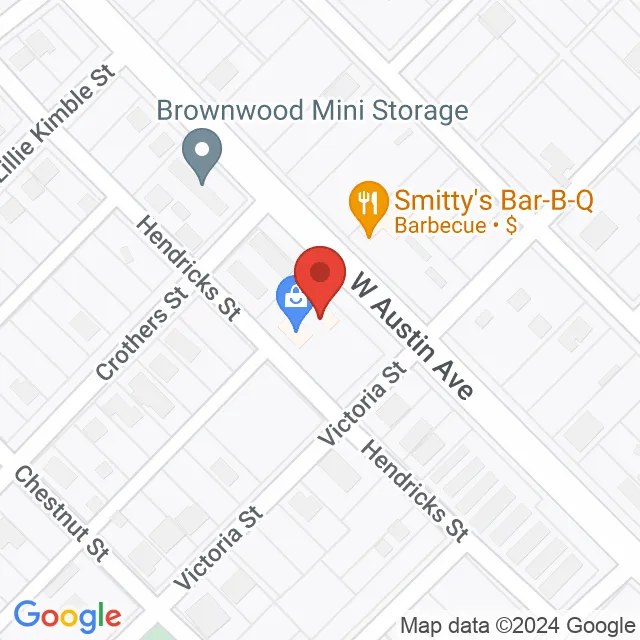
What does air duct cleaning involve, and does your Brownwood home actually need it? A proper job means opening the duct system, removing debris with equipment that pulls it out of the house and putting everything back sealed. But the U.S. Environmental Protection Agency does not recommend routine cleaning for every home, so the first question is whether yours is a candidate. Black Plumbing Heating & Air works from 703 W Austin Ave, Brownwood, TX 76801, is open 24/7 and has served this region since 1994.
When duct cleaning is warranted
EPA addresses this directly in its guidance, Should You Have the Air Ducts in Your Home Cleaned? It does not recommend cleaning as a routine matter, only as needed. The agency lists three situations where cleaning makes sense:
- Substantial visible mold growth inside hard-surface ducts or on other heating and cooling components.
- Evidence of a rodent or insect infestation in the ducts.
- Ducts so clogged with dust and debris that particles are released from supply registers.
EPA also says cleaning does not fix whatever caused the problem. If moisture is feeding mold, or a gap is letting debris in, the cause has to be corrected first or the trouble will come back. Mold should be confirmed by an expert before anyone assumes that a stain is mold. That is sound advice for any homeowner who sees dark spots near a register.
Signs that deserve a look
- Dust blowing from vents when the system starts.
- A musty smell that appears whenever the system runs.
- Visible debris or discoloration around registers.
- Signs of pests, such as droppings or nesting material near vents.
- Heavy dust that returns soon after you clean, even with a good filter.
- A system that runs long without reaching the set temperature, which may point to restricted airflow.
Those signs do not prove the ducts need cleaning. Some call for a new filter, a repair or a look at moisture. A technician should inspect before anything is recommended, and you should feel free to ask what they found and why it justifies the work.
What a thorough duct cleaning involves
EPA describes what a qualified provider should do. Following that outline, here is what a careful job looks like from start to finish:
- Inspect the system. The provider looks at the whole duct system, including supply and return runs, and identifies the contamination that justifies cleaning.
- Open access points. Access ports are created or opened so every part of the system can be reached and inspected.
- Check for asbestos-containing materials. EPA says this should happen before work begins, and that materials containing asbestos need specially trained contractors.
- Protect the home. Carpets and furnishings are covered so dust is not spread around the house.
- Clean with proper equipment. EPA says vacuum equipment should exhaust outdoors, or use HEPA filtration if it exhausts indoors, and soft-bristled brushes should be used on fiberglass duct board and fiberglass-lined ducts.
- Clean the components. The coil, drain pan, blower compartment and registers are cleaned along with the ducts.
- Seal and finish. Any access holes are sealed and re-insulated, and the system is restarted to confirm it runs normally.
- Show the results. The provider should be able to show you the components after cleaning.
Poor technique can spread dust, damage the system or raise heating and cooling costs, which is another reason to ask how a provider works before agreeing to anything.
What to be cautious about
EPA lists several cautions that every homeowner should know. Be wary of claims that duct cleaning produces health benefits, because the benefits are unproven. EPA does not certify duct cleaners, so be skeptical of anyone claiming EPA certification. Chemical biocides should be used only for visible microbial growth and strictly according to the label, and EPA says no biocides are registered for use in fiberglass duct board or lined ducts. Steam cleaning and other moisture-based methods are not advised on ductwork. If a company wants to apply sealant, ask why, since EPA says sealants are not routinely recommended and should never be applied to wet liner or actively growing mold.
You can also ask for more than one opinion, check references and confirm that the company is licensed where licensing applies. EPA’s page notes that Texas was among the states requiring a special license for duct cleaners as of 1996, so ask any provider about current licensing.
Prevent dirty ducts in the first place
EPA says moisture control is the most effective source control. Its prevention list gives you a practical plan you can start at home:
- Repair leaks and standing water, and make sure condensate drain pans slope toward the drain.
- Clean cooling coils and drain pans during regular maintenance.
- Use the highest-efficiency filter that the manufacturer recommends, change it regularly and close gaps that let air bypass it.
- Seal registers during dusty renovation work and do not run the system until the dust is cleaned up.
- Seal and insulate ducts that pass through attics and crawl spaces.
- Make sure a replacement system is properly sized and that duct joints are sealed.
- Vacuum regularly with a HEPA or other high-efficiency vacuum.
These steps keep more debris and moisture out of the system, which reduces the chance that you will ever face a big cleaning job. They also fit with routine system care, so the same maintenance visit can address both comfort and cleanliness.
Questions to ask any duct cleaning provider
- What did you find in my system that justifies cleaning?
- Can you show me the problem area before you start and again when you finish?
- Where will the debris go, and how will your equipment keep it from spreading inside my home?
- How will you handle fiberglass-lined ducts or duct board?
- Will you check for asbestos-containing materials first?
- Are you recommending any chemical treatment or sealant, and why?
- What will you do about the cause, such as moisture or a leaky joint?
A provider who is comfortable with these questions is usually one worth hearing out. A provider who avoids them, or who leans on fear about what might be in your ducts, deserves another look. Remember that you can say no to a recommendation and ask for time to think.
Filters, registers and the work you can do yourself
Much of what makes ducts dirty can be handled without a tool bag. Change or clean the filter on the schedule your system calls for and look at it between changes. Vacuum around supply and return registers, and remove the covers to wipe away dust you can reach. Keep return vents clear so the system can pull air freely. If you run a renovation, seal the registers and keep the system off until dust is cleaned up, as EPA advises. These habits help whether or not you ever hire a cleaner, and they give you a baseline for noticing when something changes.
How we can help in Brownwood
If you are unsure whether your ducts need attention, start with a conversation about what you are seeing. Our technicians can look at your system, explain what the signs mean and suggest next steps. Our indoor air quality solutions in Brownwood cover filtration, air treatment and related work. If airflow trouble is tied to the equipment itself, our air conditioning (AC) repair service in Brownwood can diagnose the cause. And if an old system is part of the problem, the page on AC replacement and installation explains how a new system is sized to the home. For everything else, see our Brownwood plumbing and HVAC page.
James W., a Brownwood customer, wrote in October 2026 about a repair visit: “They were professional and knowledgeable which we greatly appreciated.” We hold ourselves to that standard whether the call is an emergency or a conversation about air quality.
Frequently asked questions about duct cleaning in Brownwood
Do I need my ducts cleaned on a schedule?
EPA does not recommend routine cleaning. It suggests cleaning when you have substantial visible mold, a pest infestation or ducts clogged with debris. A better habit is changing filters regularly and keeping up with maintenance.
Will duct cleaning improve my health?
EPA says the health benefits of cleaning are unproven and advises caution about claims to the contrary. If you have asthma or allergies, talk to your doctor and consider a wider look at indoor air quality, such as filtration and humidity control.
Can duct cleaning fix uneven cooling?
Sometimes airflow trouble comes from debris, but it can also come from leaks, closed vents, an undersized return or an equipment fault. A technician should check the whole system instead of assuming cleaning is the answer.
What should I do if I see mold on a register?
Do not assume what it is. EPA says mold should be confirmed by an expert, and the moisture source must be found and fixed. Call us so a technician can look at the system and talk through next steps.
Talk to our Brownwood team
Call (325) 643-5215 or visit 703 W Austin Ave, Brownwood, TX 76801. We will look at what your system is showing and tell you whether repair or a simple filter change makes sense, and whether duct cleaning is worth pursuing.