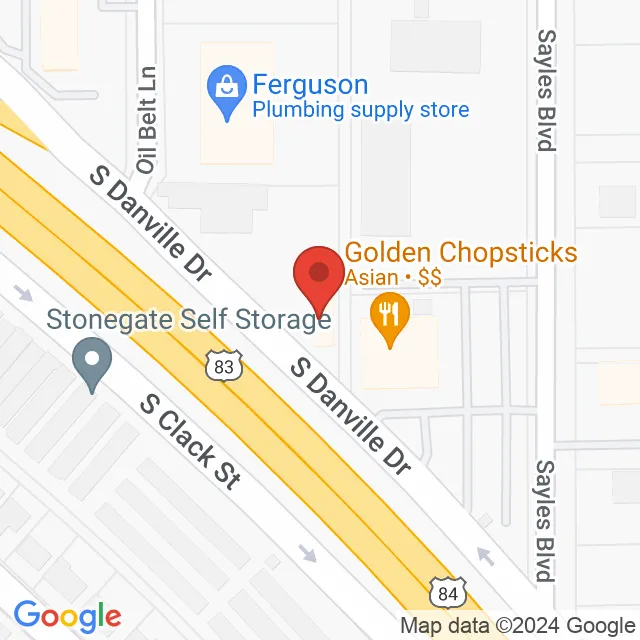
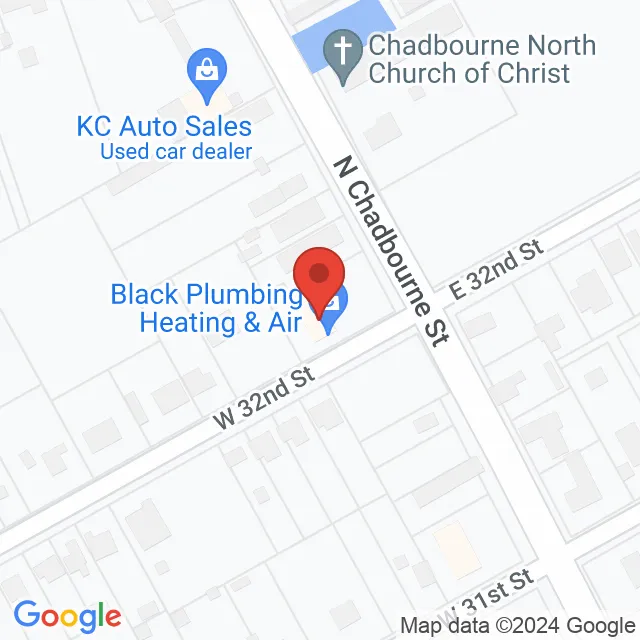
When a pipe in your Abilene home fails, should you repair that one pipe or repipe the house? It is a fair question after a second or third leak. Patching a single bad section is the right call in many cases. In others, the patch only moves the leak down the line. This post gives you a way to decide, based on how we assess a house. Black Plumbing Heating & Air has worked from 4402 S Danville Dr since 1994 and is open 24/7.
The question behind the question: is the problem local or systemic?
A local problem is one bad spot in an otherwise healthy line. A fitting loosened, a joint was installed badly, or something punctured a pipe during a remodel. A repair fixes that and the rest of the system keeps working. A systemic problem is different. The pipe material itself is wearing out, so any section can fail next, and fixing one place does nothing for the others.
Our job at the first visit is to tell you which one you have. We do not assume that a leak means repiping, and we do not assume that a repair will hold. We look at the material, the age of the house and the pattern of failures, and then we explain what we see.
Signs that point to a repair
- One failure, with a clear cause. A frozen joint, a damaged fitting or a hole from a nail all explain themselves.
- The rest of the line looks sound. When we can see or scope the nearby pipe and it is clean, the problem is probably limited to the spot that failed.
- Water pressure and water color are normal. Steady pressure and clear water suggest the lines are not corroded inside.
- A newer house. A home with relatively recent supply lines is less likely to have material fatigue.
Signs that point to repiping
- Leaks that keep returning in different places. When a second and third spot give way, the cause is usually the material wearing out, not coincidence.
- Rust-colored or brown water from several taps. This suggests corrosion inside the pipe, which is common in older galvanized steel.
- Weak pressure at many fixtures. Corrosion narrows the inside of a pipe over time. When the problem shows up across the house, it is less likely to be a single faulty fixture.
- Pinhole leaks or green and white crust on exposed pipe. Surface corrosion often tells you the same story is happening where you cannot see.
- A pipe material the house was built with that is known to fail. Galvanized and some older materials wear out, and we can tell you which type you have.
One sign alone rarely settles it. Three or four together make a strong case. If you have several of these, a repiping conversation is worth having.
Why Abilene homes have their own repiping story
The age of your home tells us a lot. If it was built before the 1980s, expect cast-iron or galvanized pipe, clay sewer lines to the street and original shutoff valves that may no longer close all the way. These are materials fatigue problems: rusted lines, cracked clay and drains that narrow gradually. Our sewer line repair team can look at clay lines, and that is a separate decision from the supply lines in your walls.
Newer Abilene homes have their own list of weak points. Slab construction puts supply lines beneath concrete where nobody can see them. The clay soil in this area swells when wet and shrinks when dry, and that movement works on anything buried in it. A slab leak in one section does not always mean the whole house needs new pipe. But if we find more than one leak under the slab, or the same line failing again, rerouting the supply lines through the attic or walls can be the cleaner fix. We explain that option and the trade-offs, and you decide.
How we handle a repipe decision
We do not give you a verdict from the doorstep. Here is the process.
- We listen to the history. When did the first leak happen? Where? What repairs were done? Past repairs often show a pattern.
- We inspect what we can reach. We look at exposed pipe, shutoff valves, fittings and any recent repair work. We test pressure and look at the water as it runs.
- We locate hidden leaks when needed. If we suspect a slab or wall leak, we trace it before we plan anything. Our leak detection and repair service uses listening equipment and cameras so we open as little as we can.
- We explain your options. We describe what a spot repair would do, what a section repipe would do and what a whole-house repipe would involve.
- You decide. We do not add work partway through. If we find something else, we stop and ask first.
Repiping in sections or the whole house
Repiping does not always mean the whole house at once. Sometimes the failing lines are in one part of the home, such as a bathroom group or the lines from the water heater, and replacing only that section solves the problem. Other times the pipe material is the same throughout and it makes sense to replace all of it so another leak does not send you back to the same problem. We lay out both paths, and the right one depends on what we find.
Methods that protect your yard and floors
For some lines, including sewer and water lines running beneath a yard, trenchless methods spare the landscaping and the flooring. Not every job qualifies, and we will tell you if yours does. Inside the house, we protect floors and clean up before we leave.
What a repipe changes inside the house
Homeowners worry about the mess more than the plumbing, so it helps to know what to expect. A repipe means new supply lines run to every fixture that is part of the job. Access is the main issue. In a house with an attic or crawl space, many lines can be run through those areas with limited cutting. In a slab house, the lines that run under the concrete are often abandoned and new lines are routed overhead, which means some openings in walls and ceilings. We plan those openings with you before we start.
Water will be off for part of the project, so plan for it. We tell you which fixtures are affected, and we keep you informed if something changes. Once the new lines are in, we pressure test them, check each fixture and look for leaks before we close up. We also check the water heater connections, since those are often replaced as part of a repipe.
Ask any contractor you are considering how they handle the cleanup, the patching and the final test. Those answers say more about the job than a sales pitch does. We are happy to talk through the plan before anyone picks up a tool, and we want you to understand the work before it starts.
What to do before the plumber arrives
- Write down where and when each leak occurred, even the small ones. A pattern is useful information.
- Note which fixtures have weak pressure or discolored water, and whether the problem is hot only, cold only or both.
- Find your main shutoff valve and make sure you can turn it. If it will not move, tell us.
- Photograph any visible corrosion, stains or past repairs.
- Clear access to the water heater, under sinks and any attic or crawl space hatch.
Check the license of whoever you hire
Repiping is a large project, and Texas regulates it. The Texas State Board of Plumbing Examiners licenses the trade and gives the public tools to look up a license or a licensee on its website, tsbpe.texas.gov. It also lists how to file a complaint. Before you hire any plumber for a major job, confirm the license is current. Ours is Texas plumbing license M-40900.
We also suggest comparing the way each company explains your situation. A good estimate names the problem and the reason for the recommendation. If you want a broader checklist for choosing a plumber, our post on reasons to hire a plumber in Abilene covers the basics.
What an Abilene customer said
Big plumbing jobs build trust through small things: how we explain the problem, how we treat the house, and whether we do what we said. Julie M., an Abilene customer, wrote in October 2026 after a plumbing visit: “I wouldn’t hesitate to use Black Plumbing again.” That is how we want every repair and every repiping project to end.
Related services in Abilene
- Piping and repiping services for spot repairs, section repipes and whole-house projects.
- Slab leak detection and repair in Abilene for leaks under the foundation.
- Emergency plumber service for a burst pipe or no water.
- Our Abilene location page for the full list of services.
Frequently asked questions about repiping in Abilene
How do I know if my pipes are galvanized?
Galvanized pipe is gray, often with rust-colored staining or a rough surface at the joints. A technician can confirm the material by looking at the pipe and testing it. A magnet sticks to steel pipe but not to copper or plastic. If your house was built before the 1980s, it is worth checking.
Does one pinhole leak mean I need new pipes?
Not necessarily. One leak with a clear cause can be repaired. If you have had more than one leak, or the pipe looks corroded nearby, we will talk about the larger picture.
Can you repipe part of a house?
Yes. When the failing lines are in one area, replacing that section can solve the problem. We tell you which approach fits after we see the system.
Is a slab leak the same as needing a repipe?
No. A single slab leak can often be repaired. If we find repeated leaks in the same lines, rerouting the supply lines is an option we will explain.
Talk to Black Plumbing about repiping in Abilene
If you are weighing a repair against a repipe, call our Abilene office at (325) 675-8391 or visit us at 4402 S Danville Dr, Abilene, TX 79605. We are open 24/7.