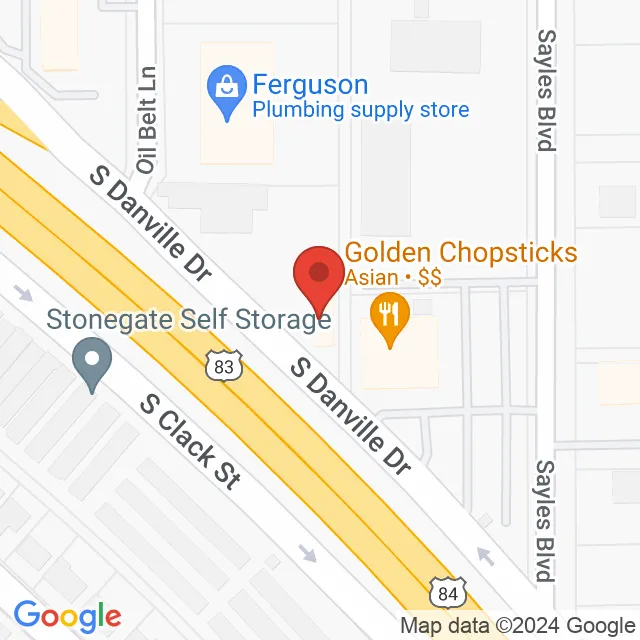
Which plumbing checks can an Abilene homeowner do alone, and which ones need a licensed plumber? That is the question behind most “preventative plumbing” advice, and the answer saves money and keeps you safe. Some jobs take a flashlight and a little attention. Others involve gas, pressure or hidden pipe, and they belong to a professional. This post splits the two, then walks through a simple routine you can follow through the year. Black Plumbing Heating & Air has been in Abilene since 1994, and our office at 4402 S Danville Dr is open 24/7.
Where the line sits between homeowner and plumber
A good rule of thumb: you can look, listen, smell and test. You should not cut, solder, relight, adjust a gas appliance or open a wall. Texas licenses plumbers for a reason. The Texas State Board of Plumbing Examiners regulates the trade, keeps a public license lookup and publishes guidance for consumers on its website at tsbpe.texas.gov. If a task involves code, gas lines or the water supply to your whole house, a licensed professional should handle it. Our Texas plumbing license is M-40900.
The checks below are all things you can do without tools beyond a flashlight, a bucket and a little food coloring. Where a check turns up a problem, we say when to call.
Checks you can do yourself
Toilets: look for the leak you cannot hear
A toilet that runs on its own or refills now and then is telling you something. The EPA notes that a worn toilet flapper can leak thousands of gallons a year without making a sound, and it suggests a simple test: put a few drops of food coloring in the tank and wait. If color appears in the bowl, the flapper is not sealing. You can read the full guidance on the EPA Fix a Leak Week page. Flush right after the test to avoid staining. Replacing a flapper is a common homeowner repair. If the toilet still runs after a new flapper, or it will not flush well, the cause may be deeper in the drain.
Faucets and under-sink pipes: dry means good
Open the cabinet under each sink and run your hand along the supply lines, shutoff valves and drain connections. Dry is what you want. Dampness, a green crust on a fitting or a warped cabinet floor tells you water is escaping slowly. Tighten a loose slip nut by hand if you can. If a fitting is corroded, or a shutoff valve drips when you turn it, call us. Forcing an old valve can turn a small drip into a flood.
Shutoff valves: learn them before you need them
Find your main water shutoff and the shutoff valve at each toilet, sink and appliance. Turn each one a little and back, gently, to confirm it moves. If the main valve will not turn, that is useful to know now rather than during a burst pipe. Do not force a stuck valve. Tell us, and we will look at it.
Washing machine hoses and the water heater area
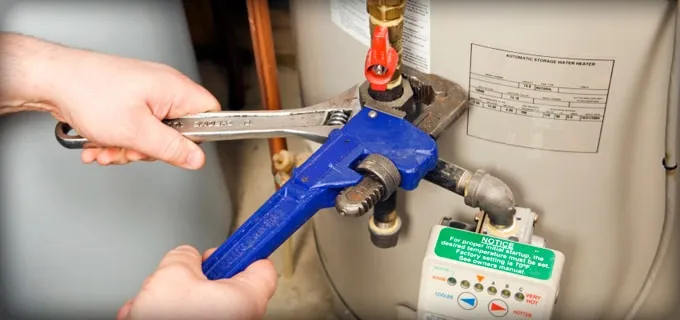
Look at the hoses behind the washer for bulges, cracks or rust at the fittings. Look around the base of the water heater for moisture or a rusty crust. Water on the floor under a heater is a reason to call, because a tank that is leaking from the shell cannot be repaired. Scorch marks or a smell of gas are an emergency. Leave the house and call the gas utility or 911 from outside.
Drains: pay attention to the slow ones
One slow fixture is usually a local clog. Several slow fixtures, gurgling when you flush or a smell from a floor drain usually mean the problem sits in the main line. A slow kitchen sink is a reasonable thing to try a plunger on. A slow tub, a sink and a toilet at the same time is not. Chemical drain cleaners can be harsh on pipes and do little against a root or a crack. If clearing the line does not hold, an inspection finds the reason. Our drain services include camera inspection and high-pressure jetting.
Outdoor spigots and the water meter
Look at hose bibs for drips and at the meter for movement when the house is quiet. If the meter dial moves with every fixture off, you may have a leak somewhere. Our post on how to find a hidden leak in an Abilene home walks through that test in detail.
Checks that belong to a licensed plumber
- Anything on a gas line. Gas piping and appliance connections carry a safety risk and require licensed work.
- Water heater service. Draining and flushing a tank, testing the pressure relief valve and descaling a tankless unit each have steps that can go wrong. We handle them and follow the manufacturer’s instructions.
- Main line and sewer work. Sewer problems often involve cameras, jetting and excavation.
- Water pressure adjustments. A pressure regulator that is set wrong can strain every pipe and fixture in the house.
- Locating leaks in walls or under a slab. This needs listening equipment and cameras so we can open the smallest area.
- Repiping. This is a large project and needs a licensed plumber and a plan.
How to keep notes so a small problem stays small
The best preventative tool costs nothing: a running list. Keep a note on your phone with the date and a few words each time you notice something. “Kitchen sink slow, cleared with plunger.” “Water heater area damp, dried up.” “Hall bath fan weak.” One entry means little. Three entries about the same fixture mean a pattern, and a pattern is what a plumber wants to hear about.
Photos help too. A picture of the base of the water heater, the meter dial or a stain on a ceiling lets you compare later and tells us how fast something is changing. When you call, tell us what you saw, where and when. We can often narrow the problem before we arrive and bring the right equipment on the first trip.
It also helps to keep a record of what has been done to the plumbing in your house, such as a new water heater, a replaced sewer section or a repiped bathroom. If you bought the house recently and do not know its history, a first inspection builds that picture. We look at the pipe material, the fixtures and the valves, and we tell you what stands out. From there you can plan, instead of waiting for the next surprise.
A routine that fits Abilene homes
We suggest tying the checks to dates you already remember, such as the start of spring and fall, when you change clocks or when you check your smoke alarms.
- Spring: toilets (dye test), under-sink pipes, washer hoses, outdoor spigots and a look at the meter.
- Fall: shutoff valves, water heater area, drains and a quick look at any pipe exposed in a garage or utility room.
- Any time: a new stain, smell, sound or change in water pressure. Do not wait for the next scheduled check.
Why Abilene houses ask for a little extra attention
Two local conditions are worth knowing about. First, hard water is standard in this part of Texas. It leaves scale inside water heaters, shortens the life of appliances and spots everything it touches, so aerators and showerheads are worth a look. Second, the clay soil here swells and shrinks with moisture, and that shifting works on pipes buried in it. In homes on slabs, the supply lines under the concrete take that stress. You cannot inspect those lines, but you can watch for the signs, such as a warm floor, a high bill or the sound of running water.
Older homes add their own checks. If your house was built before the 1980s, it may have cast-iron or galvanized lines and clay sewer pipe. Look for rust-colored water and slow drains, and tell us what you notice.
What an Abilene customer said
Small problems feel big when they are in your house. Julie M. described a clogged toilet call in October 2026 this way: “Clogged toilet repaired quickly and efficiently.” That is exactly the point of keeping problems small: a quick, ordinary visit instead of an emergency.
Related services in Abilene
- Plumbing repairs and maintenance for leaks, fixtures and routine service.
- Water heater services for repair, replacement and maintenance.
- Leak detection and repair for hidden water.
- Our Abilene location page for everything we do in the area.
Frequently asked questions about preventative plumbing in Abilene
How often should I have a plumber inspect my home?
There is no single schedule that fits every house. If your home is older, has had repeated leaks or you have a water heater you have not had looked at, an inspection makes sense. We explain what we find and what can wait.
Is it safe to use drain cleaner?
Chemical cleaners can harm some pipes and may not clear the real cause. For one slow drain, try a plunger or a drain snake. If several fixtures are slow, call us so we can look at the line.
What should I know before an emergency happens?
Know where your main water shutoff is and that it turns. If water is spreading and you can reach it safely, shut it off, then call us.
Do you handle commercial properties too?
Yes. We work with landlords, property managers and businesses around Abilene,
Schedule a plumbing check in Abilene
If your checklist turns up something you would rather not guess about, call our Abilene office at (325) 675-8391 or visit 4402 S Danville Dr, Abilene, TX 79605. We are open 24/7.