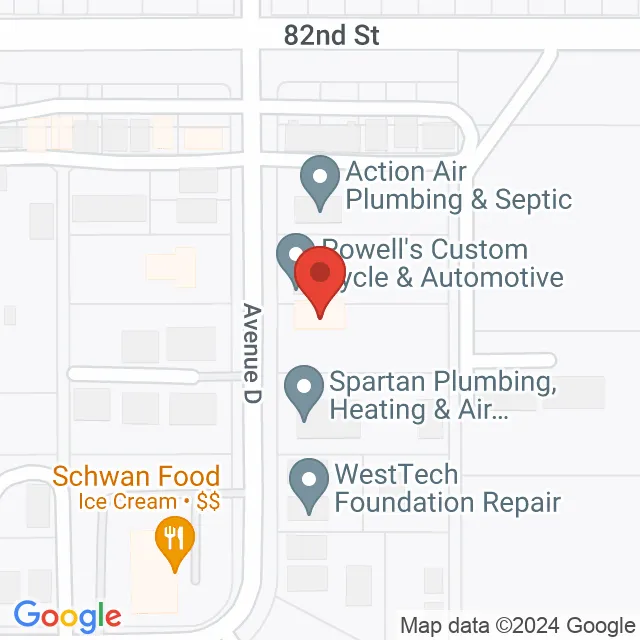
The system quits at 9 p.m., or the house is not warming up, or you hear something you have never heard before. The question that matters is not “what broke?” but “does this need a technician tonight, or can it wait until morning?” Black Plumbing Heating and Air is open 24/7 from 8215 Avenue D in Lubbock, so you can always call. This guide helps you sort the situation, starting with the signs that should never wait.
Safety signs that make this an emergency right now

Some problems are about comfort. Others are about safety. If you notice any of the following, treat it as urgent and put safety ahead of repairs.
- A carbon monoxide alarm is sounding, or anyone in the house has headaches, dizziness, nausea or confusion that eases when they go outside.
- You smell gas.
- You see smoke, scorching or a burning smell from the furnace, air handler or outdoor unit.
- You see sparks, hear loud electrical buzzing or find a tripped breaker that trips again as soon as you reset it.
- Water is pooling around the indoor unit, which can damage floors and ceilings and may mean a blocked condensate line.
The EPA’s page on carbon monoxide and indoor air quality lists leaking or back-drafting furnaces, gas water heaters, and flues that are blocked, disconnected or leaking among the sources. It also notes that flu-like symptoms may clear up after you leave the home, which is a clue people often miss. The U.S. Consumer Product Safety Commission, as the EPA reports, recommends carbon monoxide alarms on every level of the home and outside each sleeping area, and an annual professional inspection of fuel-burning appliances.
If you suspect carbon monoxide or smell gas, get everyone outside into fresh air and call 911 or your gas utility from outside. Do not stay to look for the cause, and do not restart the equipment. Once the situation is safe, call us and we can look at the heating system.
Five checks you can do first
If none of those safety signs apply, a short set of checks sometimes brings a system back or gives the technician useful information. Do these in order.
- Check the thermostat. Confirm it is set to heat or cool as needed, that the set point is above or below room temperature, and that the display is on. Replace the batteries if it has them.
- Check the breakers and the switch. Look at the breaker for the indoor unit and the outdoor unit, and at the service switch near the furnace or air handler. A single trip is worth resetting once. A breaker that trips again is a stop sign.
- Look at the filter. ENERGY STAR advises inspecting, cleaning or replacing the filter monthly, and notes that a dirty filter raises energy costs and can lead to early equipment failure. A badly clogged filter can choke airflow enough to cause trouble.
- Check the vents. Make sure supply registers and return grilles are open and not blocked by furniture or rugs.
- Look for water. ENERGY STAR lists the condensate drain on air conditioning (AC) units, furnaces and heat pumps in cooling mode as an item to inspect, because a clog can cause water damage and affect indoor humidity. If you see water near the unit, shut the system off and call.
If you try these steps and the system still will not run, you have done what a homeowner can do safely. Do not open panels, handle wiring or relight a pilot unless you have been trained to. Those are technician jobs.
Call tonight: urgent but not a safety emergency
These situations are not dangerous the way a gas smell is, but they are poor candidates for waiting.
- No heat when it is cold outside, especially with young children, older adults, anyone who is ill or pets in the house. A cold house gets worse the longer it sits, and plumbing is at risk when the house is not heated.
- No cooling when it is hot, with the same vulnerable people in the house, or with medications or food that need a cool home.
- A system that runs constantly and does not change the temperature. It may be low on charge or have a failing part, and running it can add damage.
- Ice on the outdoor lines or the indoor coil. Turn the system off and let it thaw. Running it frozen can harm the compressor.
- A loud grinding, banging or squealing noise. A part may be failing, and more running can cause more damage.
ENERGY STAR notes that a dirty burner or a cracked heat exchanger reduces the safety and efficiency of a heating system, and that leaks in gas or oil connections are a fire hazard. That is part of why we treat odd sounds, smells and flame problems from a furnace more seriously than a system that merely cools slowly.
It can wait until morning: how to tell
Some situations that feel urgent at night could safely wait for the next day. Examples include a system that is cooling or heating, but not as well as it should, a thermostat that needs new batteries, a noisy vent that is not coming from the equipment itself, or a room that never matches the others. If nobody in the house is at risk and the system is still running, you can usually note the symptoms and schedule a visit. You do not need to rush out of bed for it.
When you do call, tell us what you saw and heard. These details help:
- When it stopped, and what happened just before.
- Whether the indoor fan, the outdoor unit or both are running.
- Any smell, noise, water or ice.
- What you have already checked, including the breaker and the filter.
Heat and cooling failures are not the same kind of emergency
A heating failure in winter carries a safety layer that cooling does not. There is combustion, exhaust and gas to consider, and carbon monoxide is the hazard the EPA highlights. A cooling failure in summer is mainly a health and comfort question, plus the risk of water damage if a condensate line has backed up. We have separate pages for each: emergency heater repair in Lubbock and emergency air conditioning repair in Lubbock. For a general look at everything our heating and air team handles, see HVAC services in Lubbock.
Reducing the odds of a night call
An emergency can start as a small problem that went unnoticed. ENERGY STAR recommends a contractor check-up before each season, with the cooling system serviced in spring and the heating system in fall, since contractors get busy once summer and winter arrive. Its professional checklist includes tightening electrical connections, checking controls, cleaning coils and checking the burner and heat exchanger. A system that has had that attention is less likely to fail on the first cold night or the first hot afternoon.
Between visits, check the filter monthly, keep vents clear and keep the area around the equipment free of storage. Test your carbon monoxide alarms. It is a small step and may matter most of all. Replace the batteries as the alarm maker directs, and replace any alarm that no longer works.
What Lubbock customers say
Wes R., a Lubbock customer, wrote in October 2026: “I wasn’t expecting Black Plumbing until the following week, but they sent a tech out and he was done in well under 20 minutes.” His call was for a plumbing leak, not a furnace, but it reflects how we treat a call that cannot wait.
Frequently asked questions about HVAC emergencies in Lubbock
Is no heat an emergency?
It can be, depending on the weather and who is in the house. If the home is getting cold and you have young children, older adults or anyone who is ill, call right away. Do not use an unvented gas or kerosene heater as a substitute. The EPA lists those among the sources of carbon monoxide.
What should I do if my carbon monoxide alarm goes off?
Get everyone outside into fresh air and call 911 or your gas utility from outside. Do not go back in to find the source. Once the house is cleared, call us to inspect the equipment.
Can I keep running a system that is making a strange noise?
It is better to turn it off and call. A grinding or banging noise can mean a failing part, and running it can turn a smaller repair into a larger one.
Do you answer calls at night and on weekends?
Yes. We are open 24/7. Carlye H., a Lubbock customer, wrote in September 2026 that the team “came out to help me with my plumbing needs on a Saturday,” and weekend calls are part of how we work.
Call Black Plumbing in Lubbock any hour
If your heat or cooling is out, call (806) 787-2200. We are at 8215 Avenue D, Lubbock, TX 79404, open 24/7. Learn more about our service area on the Lubbock location page.