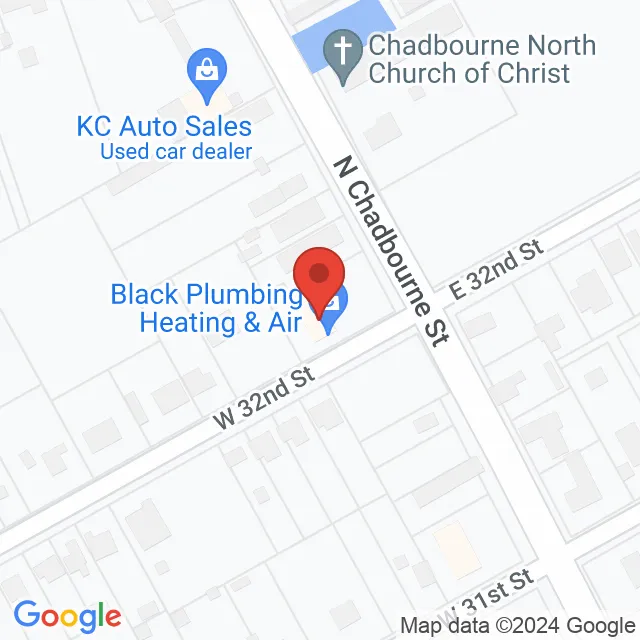
Your air conditioner still runs. The house is not hot, but something has changed: the airflow is weaker, a noise is new, or the system seems to run more than it used to. For a San Angelo homeowner, the real question at this point is what the symptom means, and whether it is a sign that a repair is due. This post is a decoder. It takes the symptoms people actually notice from an air conditioning (AC) system and explains what each one usually points to, what the technician will look at, and what you can safely do in the meantime. It is not about a sudden outage tonight, and it is not about timing patterns through the day. Black Plumbing Heating & Air works from 501 N Main St in San Angelo and is open 24/7.
Why symptoms are clues, not diagnoses
A cooling system is several systems working together: refrigerant that moves heat, electrical parts that start motors, fans and ducts that move air, and a drain that carries away moisture. A problem in one place often shows up somewhere else. Weak airflow might come from a dirty filter, or from a failing blower, or from a duct that has come apart. A technician starts with the symptom and works backward.
That is worth knowing before you call. The visible symptom is often the start of the story, not the whole of it. Two houses with the same complaint can need very different repairs, which is why testing should come before any recommendation about parts.
Symptom: weak airflow from the vents
Air that comes out softly, or only from some vents, is one of the most common complaints. The usual causes include a clogged filter, a blower that is not moving enough air, a blocked return, or a leak or disconnection in the ducts. ENERGY STAR advises inspecting, cleaning, or changing the filter once a month in a central air conditioner, since a dirty filter slows airflow and makes the system work harder. If the filter is clean and airflow is still weak, the cause is somewhere deeper. The agency’s maintenance checklist notes that airflow problems can reduce a system’s efficiency by up to 15 percent, which is why a technician will look at the blower components as part of a visit.
Symptom: air is cool, not cold
When the system runs but the air is only mildly cool, the possibilities widen. Dirty coils, a refrigerant problem, restricted airflow, or an undersized system can each cause it. ENERGY STAR notes that dirty evaporator and condenser coils reduce the system’s ability to cool and make it run longer, and that too much or too little refrigerant lowers efficiency and shortens equipment life.
Refrigerant deserves a note of its own. A cooling system does not use up refrigerant the way a car uses fuel. If the level is low, the usual reason is a leak, and the leak is the repair. Handling refrigerant is regulated, and the EPA’s Section 608 rules cover servicing practices, leak repair, and technician certification for air conditioning equipment. Our hub page lists refrigerant leaks first among the issues our technicians diagnose.
Symptom: the system runs constantly
A system that never seems to shut off is working hard for some reason. Possible causes include a dirty filter or coils, a thermostat that is misreading the temperature, leaking ducts that lose cooled air before it reaches the rooms, or equipment that is too small for the space. A system that runs all day also wears faster. If this describes your house, start with the filter, then book a visit rather than waiting for the compressor to give out.
Symptom: it turns on and off in short bursts
Frequent short cycles can point to a thermostat problem, an electrical fault, an airflow restriction that triggers a safety shutoff, or an oversized unit. This one is hard to sort out from the couch because several different causes look identical. A technician will check the thermostat, the electrical connections, and the controls, which are part of any standard check-up. ENERGY STAR lists tightening electrical connections, measuring voltage and current on motors, and checking the starting cycle among the items a technician should cover.
Symptom: new or unusual noises
- Grinding or squealing: often a motor or a bearing that is wearing out. Stop running the system if the noise is loud or harsh.
- Banging or clanking: a loose or broken part inside the unit.
- Buzzing or humming: frequently an electrical problem or a part that is trying to start and failing.
- Hissing: possibly a refrigerant leak.
- Rattling: a loose panel, a fan hitting something, or debris in the outdoor unit.
Noises are useful because they are specific. Tell the technician what the sound is like and when it occurs, such as at start-up, while running, or at shut-down.
Symptom: water or humidity problems
A cooling system removes moisture from the air, and that water must go somewhere. A plugged condensate drain can cause water damage in the house and affect indoor humidity, according to ENERGY STAR. Watch for water near the indoor unit, a wet drain pan, or a house that feels sticky even though the system is running. A sticky house is also a sign that the system may be running in short bursts or struggling to remove moisture, which is worth raising with a technician.
Symptom: smells
- Musty: moisture, and possibly growth, in the system or ducts. This is an indoor air quality question as well as a repair question.
- Burning: an electrical or motor problem. Turn the system off and call.
- Chemical or sweet: a possible refrigerant leak. Call.
The EPA’s introduction to indoor air quality lists central heating and cooling systems and excess moisture among the sources of indoor air problems, which is why a persistent smell is worth investigating.
Symptom: rising electricity use
If your usage creeps up without a change in how you live, the system may be working harder to deliver the same result. Dirty coils, low refrigerant, restricted airflow, and failing parts can each do this. It is a quiet symptom, easy to miss, and one of the better reasons to have a technician check the system before it fails.
When a symptom means “repair” and when it means “think about replacing”
Most of the symptoms above are repairable. A few change the conversation. Repeated service calls, a system that has reached the end of its service life, or a repair that would be large relative to the equipment’s condition are reasons to talk about replacement. Our hub page lists age, repair cost compared with a new unit, and how often you have called us in the past year as the factors we weigh. If your system is already in that territory, see our page on air conditioning replacement in San Angelo.
What happens at a repair visit
- We ask about the symptom. What it is, when it started, and whether it changes.
- We check the basics. Thermostat, electrical connections, filter, and airflow come first.
- We test the cooling cycle. Coils, refrigerant, and the blower are checked against what the symptom suggests.
- We explain what we found. You hear the cause and the options.
- We repair and test. The system is run to confirm the symptom is gone.
Our air conditioning repair service in San Angelo follows this order. If a symptom has turned into a total loss of cooling, our post on when to call for emergency air conditioning repair in San Angelo helps you decide how quickly to act.
What a repair does not replace
Repair fixes what has failed. Maintenance keeps other parts from failing. If your technician finds a problem, ask also about the other items on the ENERGY STAR checklist, such as the coils, the drain, and the electrical connections, so the next symptom does not arrive soon. See the air conditioning maintenance service for the preventive side.
How to describe a symptom so it can be solved
The decoder above works well when you bring detail to the call. A technician can narrow the possibilities faster when you can say:
- When the symptom began, and whether it came on suddenly or gradually.
- Whether it happens all the time or only at start-up, during long runs, or at shut-down.
- Which rooms are affected, and whether the problem is the same in each.
- Whether anything changed around that time: new filter, power outage, work in the attic, or a storm.
- What you have already tried, such as changing the filter or resetting the breaker.
Keep a simple note on your phone with dates. It sounds minor, but a pattern that you can describe is often the fastest route to the real cause.
Book a repair visit
If a symptom on this list sounds like your system, call our San Angelo office at (325) 659-3747 or visit 501 N Main St, San Angelo, TX 76903. You can see the full range of our work on the San Angelo hub page. We are open 24/7.