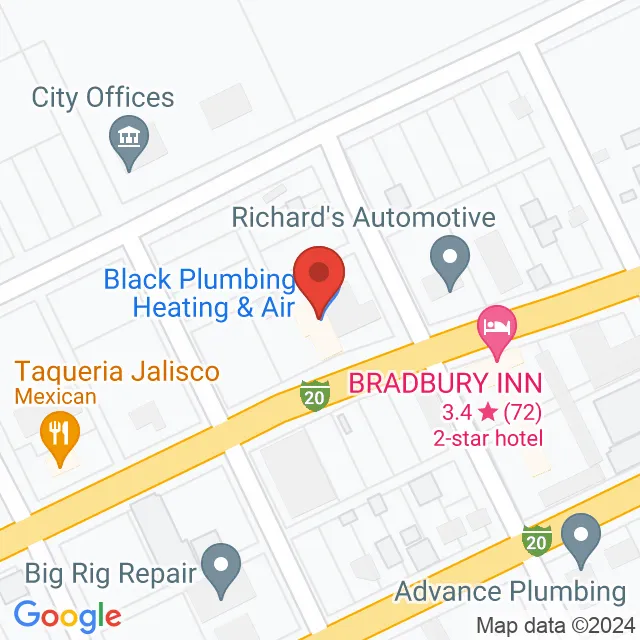
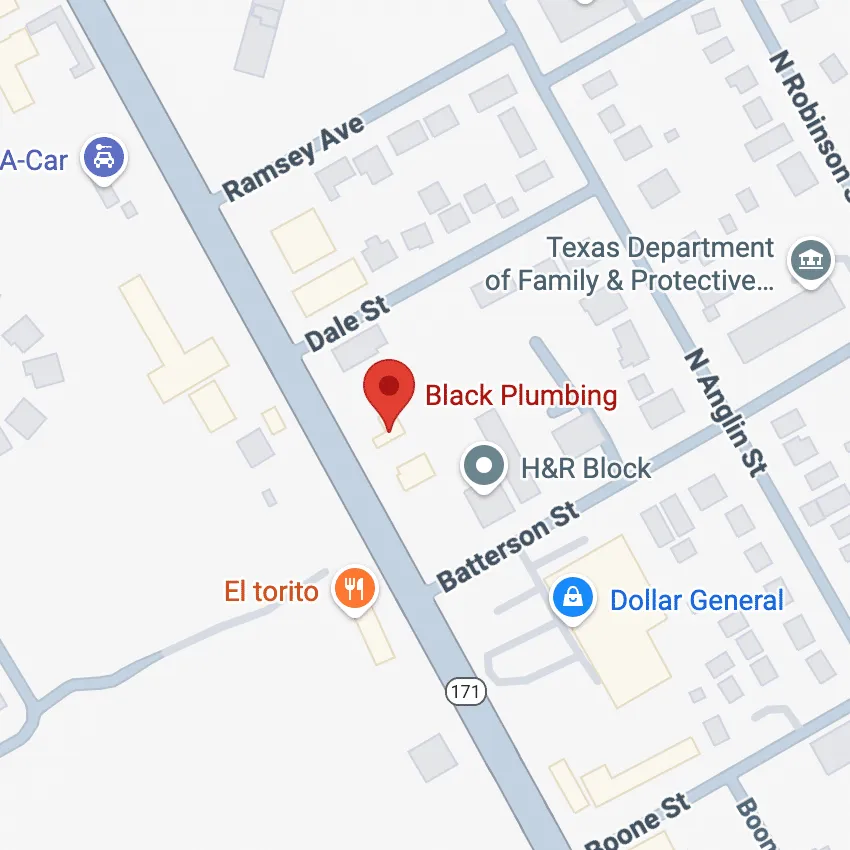
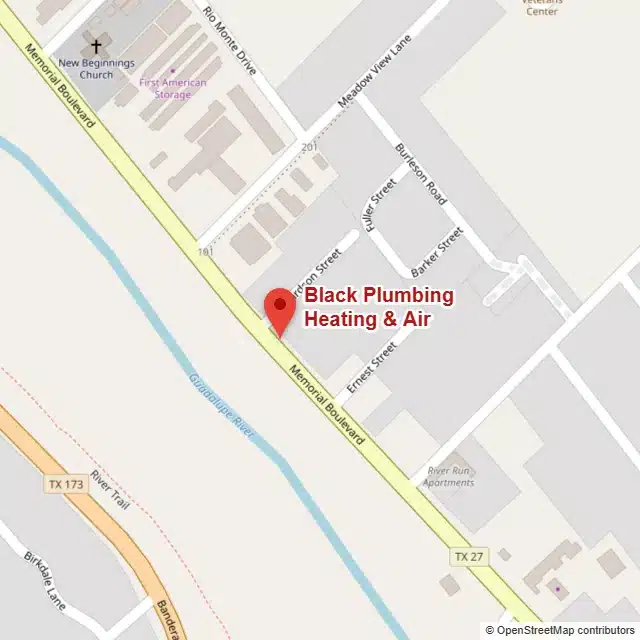
What can a Sweetwater homeowner actually do to improve the air inside the house? Start by finding and reducing what puts pollutants into the air, then make sure fresh air and your heating and cooling system are doing their part, and only then consider equipment such as filtration. This post follows that order, so you spend effort where it counts. Black Plumbing Heating & Air serves Sweetwater homeowners and has served West, Central and North Texas since 1994.
What indoor air quality means
The U.S. Environmental Protection Agency describes indoor air quality as the air within and around buildings, mainly as it affects the health and comfort of the people inside. On its introduction to indoor air quality, EPA says the main cause of problems is indoor sources that release gases or particles, and that too little ventilation and high temperature and humidity can make them worse. Immediate effects can include eye, nose and throat irritation, headaches, dizziness and fatigue, and asthma symptoms can appear or worsen. EPA adds that effects vary with age, existing conditions and sensitivity, and that exact concentrations and exposure times that cause specific problems are not well established.
The practical message is that you do not need to wait for symptoms. EPA says improving indoor air quality is prudent even when nothing is noticeably wrong, and your home is a good place to begin.
Where indoor pollutants come from
EPA’s list of sources is broad. It includes fuel-burning appliances, tobacco products, building materials and furnishings, cleaning and personal care products, heating and cooling systems, excess moisture and outdoor sources such as radon, pesticides and outdoor air pollution. Some sources release pollutants continuously, such as certain materials and air fresheners. Others release them in bursts, such as smoking, cleaning, redecorating and hobbies. A malfunctioning or unvented appliance can produce dangerous levels.
Sweetwater homeowners also deal with a local factor. Dry air and dust move through West, Central and North Texas, and they can aggravate allergies and strain heating and cooling equipment, because the system has more to filter. That does not mean the air outside is the whole story, but it does mean that filters and air handling deserve attention here.
Step one: reduce the sources
Removing a source is more effective than cleaning up after it. Consider these steps:
- Do not smoke indoors.
- Have fuel-burning appliances, such as gas furnaces and water heaters, inspected so they vent properly.
- Use exhaust fans in the kitchen and bathrooms, and make sure they vent outdoors.
- Store paints, solvents and cleaning products in tightly closed containers, away from living areas.
- Choose fragrance-free or low-odor cleaning products where you can.
- Fix leaks and dry wet materials quickly to keep mold from starting.
- Keep pets groomed and wash their bedding regularly.
- Take shoes off at the door to keep outdoor dirt from spreading.
Step two: manage moisture
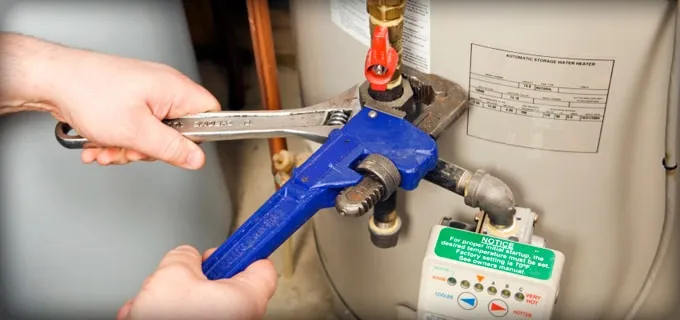
Moisture feeds mold and dust mites, and mold spores are one of the common triggers for allergy and asthma symptoms. In a dry area, it is easy to assume moisture is not a problem, but leaks, damp bathrooms, a clogged condensate drain or a wet crawl space can create it anyway. Check under sinks, around the water heater and near the indoor cooling unit for dampness. If you see a stain, a musty smell or condensation that does not dry, track down the source. For drain or leak problems, our plumbing team can help through our Sweetwater plumbing and HVAC page.
Step three: ventilate
EPA explains that outdoor air enters a home through infiltration, natural ventilation such as open windows and doors, and mechanical ventilation. When those are limited, the rate at which outdoor air replaces indoor air drops and pollutants can build up. A tightly sealed home saves energy, but it also holds on to whatever the household produces.
- Run kitchen and bathroom exhaust fans while cooking and showering, and for a while afterward.
- Open windows when outdoor air is pleasant and dust or pollen levels are low.
- Do not close off vents or block returns in a way that starves the system of air.
- Ask about mechanical ventilation if your home is tightly built and you notice stale air or persistent odors.
On dusty or windy days, keep windows closed and let the system do the work with a clean filter. That is a tradeoff, and the right balance changes with the day.
Step four: look after the HVAC system and its filter
Your heating and cooling system moves the air in your home many times, so it can spread pollutants or help remove them. The simplest step is the air filter. ENERGY STAR advises inspecting, cleaning or changing filters monthly, and says a dirty filter raises energy costs and can lead to early equipment failure. Its maintenance checklist also covers cleaning coils and inspecting the condensate drain, both of which keep moisture and dust from building up inside the equipment.
When you choose a filter, use the type your equipment’s manufacturer calls for. A denser filter is not automatically better if the system cannot pull air through it. If you are unsure, ask a technician. Our air conditioning (AC) maintenance service includes the kind of seasonal check that keeps filters, coils and drains in working order.
Step five: consider air cleaning and duct work
Air cleaners and filtration systems can add to the steps above, but they work best as a supplement. A whole-home system connects to your ducts and cleans the air that moves through the house, while a portable unit handles one room. The right choice depends on what you are trying to address, such as dust, pet dander or allergens, and the size of your home.
Duct cleaning is a separate question. EPA does not recommend routine duct cleaning. It suggests cleaning when there is substantial visible mold, a pest infestation or ducts clogged with debris, and it cautions that cleaning does not fix the cause of a problem. If you suspect an issue, have a technician inspect first. Our indoor air quality solutions page explains the filtration and air treatment options we install.
Allergies, asthma and what to expect from changes
If someone in your home has allergies or asthma, treat the plan above as a starting point and talk with their doctor. EPA notes that asthma symptoms may appear or worsen with indoor air problems, but it also says the effects vary from person to person. Make one change at a time when you can, so you learn what helps. For example, replace the filter and wash bedding first, then see whether symptoms ease before you add equipment. Keep a short note of when symptoms are worse, such as after cleaning, on windy days or in one room. That record helps both your doctor and any HVAC technician you ask for help. No single product fixes every home, and the right mix usually comes from steady, small steps.
A simple plan you can follow
- This week: change the filter, check for moisture under sinks and near the water heater and run exhaust fans when cooking and showering.
- This month: remove or reduce sources, such as fragranced products and stored solvents, and check that fuel-burning appliances are vented.
- Each season: have the heating and cooling system checked, and look at the filter monthly.
- As needed: talk to a professional about ventilation, air cleaning or duct inspection if symptoms or dust persist.
When to ask a professional
- You see or smell mold and cannot find the moisture source.
- Household members have allergy or asthma symptoms that improve when they leave the house.
- Dust returns quickly even with clean filters.
- There are odors you cannot trace, or any gas smell. If you smell gas, leave the home and call your gas provider or 911 from outside.
- Your system has uneven airflow, noisy operation or visible debris at the registers.
Frequently asked questions about indoor air quality in Sweetwater
Is indoor air really more polluted than outdoor air?
It depends on the home and the day. Indoor sources release gases and particles, and poor ventilation can let them build up. That is why EPA focuses on source control and ventilation as well as filtering.
Will an air purifier solve my air quality problem?
It can help, but it works best alongside source control, good ventilation and a clean filter. An air cleaner that is running while a source keeps releasing pollutants is chasing a moving target.
How often should I change my HVAC filter?
Check it monthly and change it when it looks dirty. A dirty filter reduces airflow and can lead to early equipment failure.
Do I need my ducts cleaned?
Not as a routine matter. EPA suggests cleaning only for substantial visible mold, pests or heavy debris. A technician can look at the system and explain what they see.
Talk to us about the air in your Sweetwater home
Questions about filtration, ventilation or your heating and cooling equipment? Contact us and tell us what you are noticing. We will help you decide what makes sense for your home.