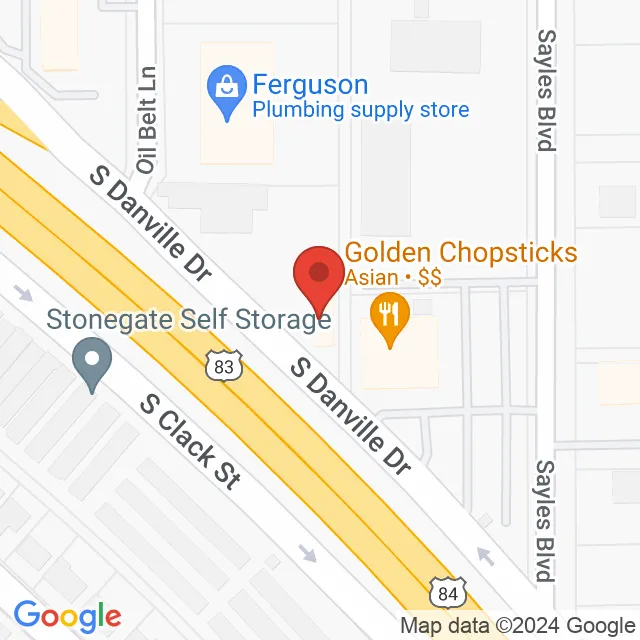
When people ask how to make a heating and cooling system work more efficiently, the conversation often jumps straight to the equipment. In some homes, the bigger loss happens after the air leaves the equipment. The ducts that carry it can leak, kink, sag or run through spaces that are far hotter or colder than the rooms they serve. This post follows the air from the furnace or air conditioning (AC) unit to the room, shows where efficiency is lost along the way, and explains which fixes make a real difference. Black Plumbing Heating & Air has been family-owned in Abilene since 1994, and our main office is at 4402 S Danville Dr, Abilene, TX 79605.
Why the ducts matter as much as the equipment
A furnace or air conditioner can be in perfect working order and still deliver less comfort than it should. That happens when the air it produces never reaches the room. ENERGY STAR states that in a typical house, about 20 to 30 percent of the air that moves through the duct system is lost to leaks, holes and poorly connected ducts, and that the result is higher utility bills and difficulty keeping the house comfortable no matter how the thermostat is set (ENERGY STAR duct sealing guidance).
Think about what that means in a house with ducts in an attic. Conditioned air is pushed into a space that is not part of the living area. On a hot afternoon, you are cooling the attic. On a cold night, you are heating it. The equipment runs longer to make up for the loss, and the room at the far end of the duct run still does not reach the temperature on the thermostat.
Signs the ducts are costing you efficiency
ENERGY STAR lists several signs that a home may have poorly performing ducts. They give a good checklist for anyone who suspects the air is not arriving where it should.
- High summer and winter utility bills.
- Rooms that are difficult to heat and cool.
- Stuffy rooms that never seem to feel comfortable.
- Ducts located in an attic, crawl space or garage.
- Tangled or kinked flexible ducts in the system.
If you recognize two or three of those conditions in your own home, the ducts are worth a closer look before anyone talks about new equipment.
The five places efficiency leaks away
1. Leaks at joints and connections
Every seam in the duct system is a place where air can escape. The most common problem spots are where branch ducts connect to the main trunk, where ducts connect to the supply boxes behind the registers, and where the system meets the furnace or air handler. ENERGY STAR notes that connections at vents and registers, where they meet floors, walls and ceilings, are common locations for leaks and disconnected ductwork.
2. Disconnected or crushed duct
Flexible duct is easy to install and easy to damage. A section that has been stepped on, folded sharply or pulled away from its collar can cut airflow to a whole room. ENERGY STAR specifically lists tangled or kinked flexible ducts as a sign of poor duct performance.
3. Missing or damaged insulation
Ducts that run through an attic, crawl space or garage pass through spaces that swing far from indoor temperature. Insulation on the duct slows that heat exchange. When insulation is missing, wet or torn, the air in the duct picks up heat in summer or loses it in winter before it arrives at the register. ENERGY STAR advises insulating all accessible ducts in attics, crawl spaces, unfinished basements and garages.
4. Restricted airflow from the filter and blower
A clogged filter or a dirty blower wheel reduces the volume of air the system can move. The equipment works harder and still delivers less. Replacing the filter is a quick job and one of the most effective routine steps you can take. A dirty indoor coil does something similar, since it blocks the air path at the heart of the system.
5. Dust and debris in the ducts
Dirt inside the ducts is the fifth item on the list, not the first. It can restrict airflow when deposits are heavy, and then the cleaning does matter. But a thin layer of dust is rarely the reason a house is uncomfortable. A sound way to trace a comfort complaint is to check for a leak, a kink or a restriction before looking at the debris.
How a technician checks duct performance
A thorough duct check works by tracing the path of the air. Here is what a thorough check looks like.
- Start with the complaint. Which rooms are too warm or too cool, and at what time of day? The pattern points to the part of the system to check first.
- Check the filter and blower. These are the simplest causes of low airflow, so they get ruled out first.
- Compare the registers. Airflow from a register in the problem room is compared with a register in a room that is comfortable.
- Inspect the visible ductwork. In the attic or crawl space, a technician looks for disconnected sections, crushed flex, loose or peeling tape, missing insulation and joints that have pulled apart.
- Check the connections at the equipment. The plenum and the connection points around the furnace or air handler are common leak sites.
- Explain the findings and the options. You see what was found, and you decide whether the repair, a sealing project or no work at all is the right call.
If your home has an issue that needs hands-on work, our air conditioning and HVAC repair service covers diagnosis and repair of the system.
What you can do before anyone visits
There are steps you can take yourself that help the efficiency of a system and cost very little time.
- Replace the filter on a regular schedule and record the date.
- Remove anything that blocks a supply register or return grille.
- Look at the visible duct in your attic or garage and note sections that sag, separate or look crushed.
- If you seal accessible leaks yourself, ENERGY STAR recommends mastic sealant or metal tape and says never to use duct tape because it is not long-lasting.
- Close the gaps where ducts pass through walls, floors and ceilings only if you can do it without covering a register.
Work with the power off at the thermostat, and stay out of any space you cannot walk or crawl through safely. In an attic, step only on the framing. If you are not sure what you are looking at, take photos and send them over, or call and ask.
When equipment is the real issue
Ducts are not always the problem. A furnace that cycles on and off quickly, an air conditioner that runs constantly without cooling, or a system that makes noises it never used to are equipment symptoms. In those cases the repair belongs to the furnace or the air conditioner and not the ductwork. Our heating and air conditioning service covers both sides, so one visit can sort out which part of the system is responsible.
If the equipment is old and a repair would not hold, a replacement is a reasonable conversation. Even then, the ducts deserve a look. A new unit connected to leaking, undersized or kinked ducts will not deliver what it should.
Efficiency, comfort and system wear
Efficiency is not just about energy use. When the system loses air through duct leaks, it runs longer to reach the thermostat setting, and the parts of the system that start and stop, such as the blower motor, the compressor and the igniter, see more hours of use. A tighter duct system lets the equipment finish its cycle sooner.
There is a comfort side too. A balanced system moves a steady volume of air to every room. When some registers are starved and others blow hard, people compensate by changing the thermostat, and that usually makes the problem worse.
Frequently asked questions about duct efficiency
Will cleaning my ducts lower my energy use?
Only if heavy debris is actually restricting airflow. Leaks, disconnected duct, missing insulation and a clogged filter are usual causes of wasted energy. A technician can check those first, and then you can decide whether cleaning is warranted.
How do I know if my ducts are leaking?
The signs ENERGY STAR lists are the best place to start: high bills, rooms that are hard to heat or cool, stuffy rooms, ducts in the attic or garage, and kinked flexible duct. A visual check of the accessible duct often finds the problem. A technician can test further when the cause is not visible.
Is duct sealing a DIY job?
Accessible leaks can be sealed by a homeowner using mastic or metal tape. Ducts hidden in walls and ceilings, large disconnected sections, and anything that requires crawling through a tight attic are better handled by a technician.
Should I replace my system or fix my ducts first?
Have the ducts checked first. If the ducts are leaking, a new system will be working with the same problem. If the equipment is failing, replacement may still be right, but the ductwork should be part of the plan.
Schedule a duct and airflow check
If your bills seem high for the comfort you get, or one room never matches the others, call us at (325) 675-8391 or visit 4402 S Danville Dr, Abilene, TX 79605. You can find the closest of our office locations on our locations page.