If your AC keeps turning on and off every few minutes, you’re dealing with one of the most common and damaging AC issues we see in Stamford: short cycling.
Short cycling doesn’t just affect comfort, it puts stress on your entire system, increases energy costs, and can lead to early system failure if not addressed correctly.
We see this issue across Stamford homes, especially during heat spikes when systems are pushed harder. The key isn’t just recognizing the problem, it’s understanding how to diagnose it properly.
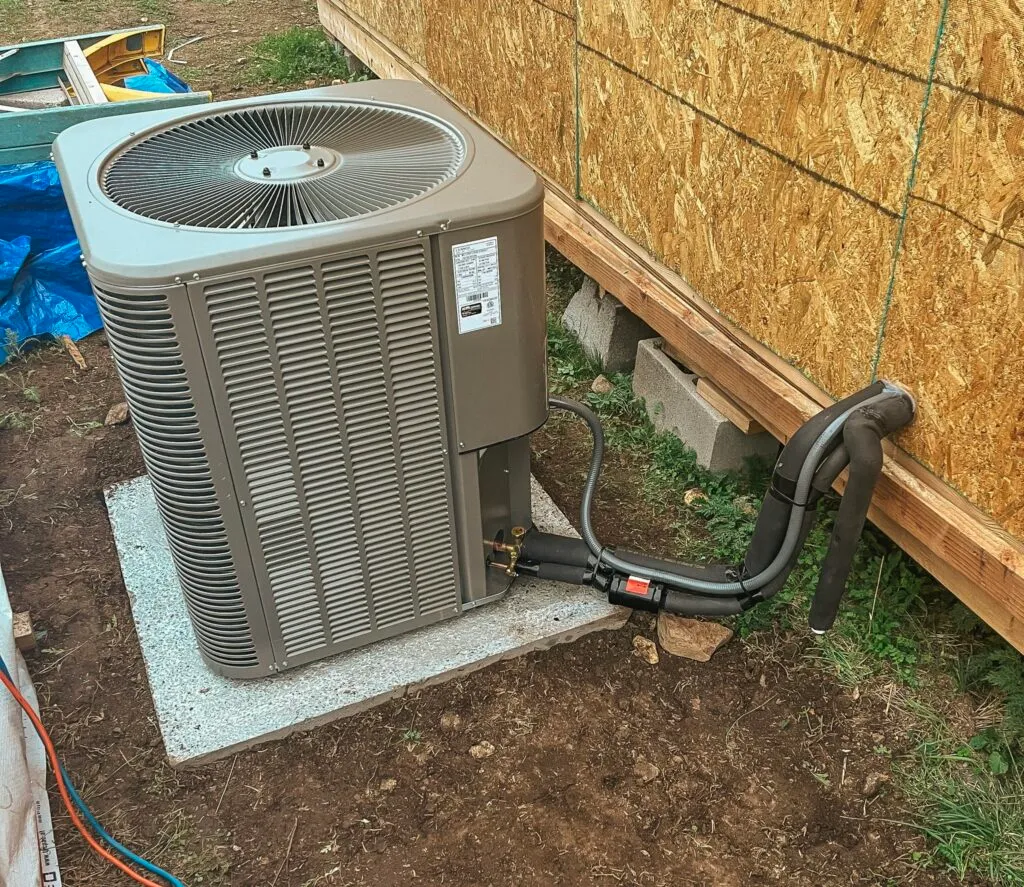
What Is AC Short Cycling?
Short cycling happens when your AC system turns on, runs briefly, and shuts off before completing a full cooling cycle.
Instead of maintaining a steady temperature, your system:
- Starts and stops repeatedly
- Fails to properly cool your home
- Experiences increased wear on components
You might notice your home never quite reaches the desired temperature, especially during hotter parts of the day.
Why Short Cycling Is More Common in Stamford Homes
In Stamford, we often see short cycling tied to a combination of:
- Older home layouts
- System sizing mismatches
- Dust and airflow restrictions
- Seasonal temperature swings
These factors create conditions where your system struggles to operate efficiently under real-world demand.
How We Diagnose AC Short Cycling Step by Step
Short cycling isn’t caused by a single issue. We approach it by systematically ruling out the most common causes, based on what we see in the field.
1. Thermostat Placement and Calibration
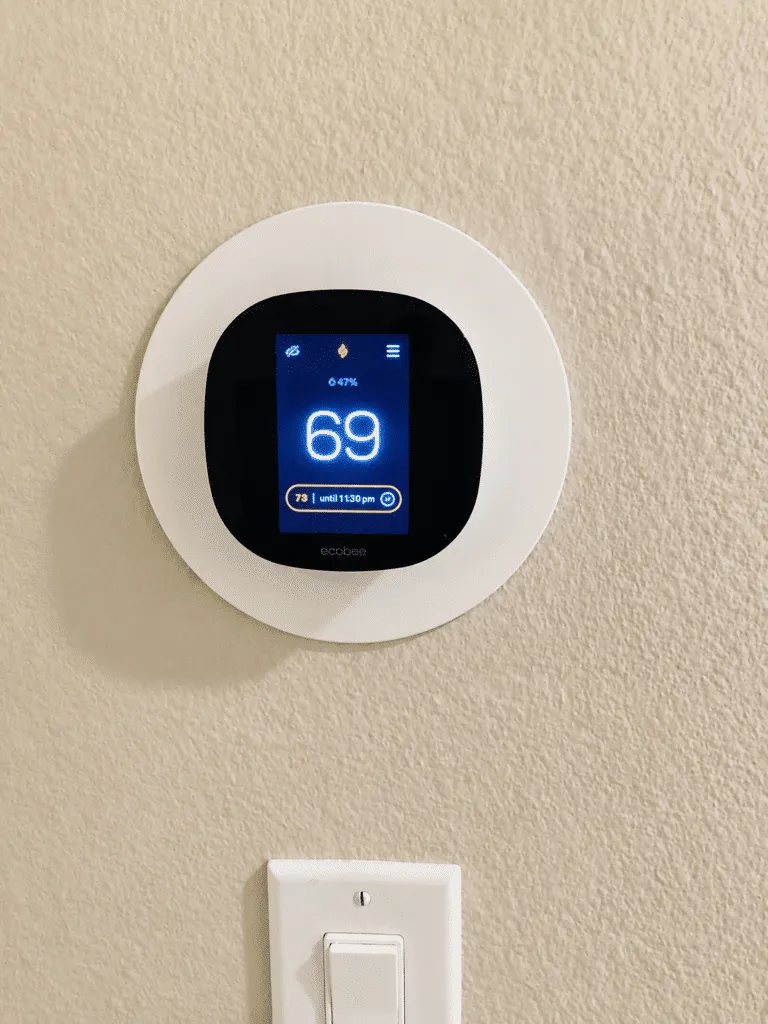
We start with your thermostat.
If your thermostat is:
- Placed near vents
- Exposed to direct sunlight
- Located in a hotter or cooler zone
It may shut your system off too early. This creates the illusion that your home is cooled when it’s not.
2. Oversized AC Systems
We often find that your system may be too large for your home.
An oversized unit will:
- Cool the air too quickly
- Shut off before removing humidity
- Restart frequently
This is especially common in older Stamford homes where systems were replaced without proper load calculations.
If this is the case, long-term solutions may include system adjustments or evaluating options like AC installation and replacement.
3. Clogged Air Filters and Airflow Restrictions
Restricted airflow is one of the most common triggers for short cycling.
When airflow is blocked:
- Your system overheats
- Safety mechanisms shut it down
- The cycle repeats
We often trace this back to dirty filters or airflow issues that could be improved through indoor air quality solutions.
4. Frozen Evaporator Coils
When airflow is restricted or refrigerant levels are low, your evaporator coil can freeze.
This leads to:
- Reduced cooling capacity
- Intermittent system shutdowns
- Repeated short cycles
Once the coil freezes, your system can’t operate properly until the issue is resolved.
5. Capacitor and Electrical Component Issues
Short cycling can also come from electrical problems.
A failing capacitor may:
- Prevent your system from maintaining a stable run cycle
- Cause frequent starts and stops
- Lead to eventual system failure
These issues require proper testing and should not be diagnosed based on symptoms alone.
6. Low Refrigerant Levels
Low refrigerant is another issue we frequently identify during diagnostics.
Your system may:
- Start normally
- Lose efficiency quickly
- Shut down before completing a cycle
This is not just a performance issue it indicates a leak or system imbalance that needs professional repair.
Why Proper Diagnosis Matters
Short cycling is one of those issues where guessing leads to wasted time and money.
We don’t jump to conclusions, we test, measure, and rule out causes in a specific order. That’s the difference between a temporary fix and a long-term solution.
Black Plumbing operates under LICENSE #M-40900 and LICENSE #TACLA145786C, ensuring that your system is evaluated and repaired according to Texas standards. This means accurate diagnostics, safe handling of components, and solutions that actually resolve the problem.
Real Experience: Clear Communication and Efficient Repairs
When your system isn’t working properly, you need clarity, not confusion.
In DANA FERREL’s experience, what seemed like a complex issue involving multiple systems was resolved in a single visit. The technician identified both problems, explained each step clearly, and completed the repairs efficiently.
That kind of service reflects how we approach diagnostics: thorough, transparent, and focused on getting it right the first time. Read her full Google review here.
When Short Cycling Points to a Bigger System Problem
If your AC keeps short-cycling, it’s often a sign of deeper issues within your system.
We look beyond the immediate symptom to understand:
- System sizing
- Airflow performance
- Component condition
- Overall system balance
In some cases, switching to alternative solutions like ductless mini-splits can provide better control and efficiency depending on your home’s layout.
Get Your AC Short Cycling Issue Diagnosed in Stamford
If your AC keeps turning on and off, it’s not something to ignore. Short cycling increases wear, reduces efficiency, and can lead to costly repairs if left unresolved.
We help you identify exactly what’s causing the issue and what needs to be done to fix it, based on real diagnostics, not assumptions.
To get expert help with AC short cycling in Stamford, contact Black Plumbing online and get a clear, professional evaluation of your system.
FAQs
What causes AC short cycling most often?
Common causes include oversized systems, airflow restrictions, thermostat issues, and low refrigerant.
Is short cycling bad for my AC?
Yes, it increases wear on components and can shorten the lifespan of your system.
Can I fix short cycling by changing the filter?
Sometimes, but many cases require deeper diagnosis beyond basic maintenance.
How quickly should I address short cycling?
As soon as possible to prevent further damage and higher repair costs.
Does short cycling mean I need a new system?
Not always, but if the issue is related to sizing or major components, replacement may be the best option.
Sources & References
- U.S. Department of Energy – HVAC System Performance and Maintenance