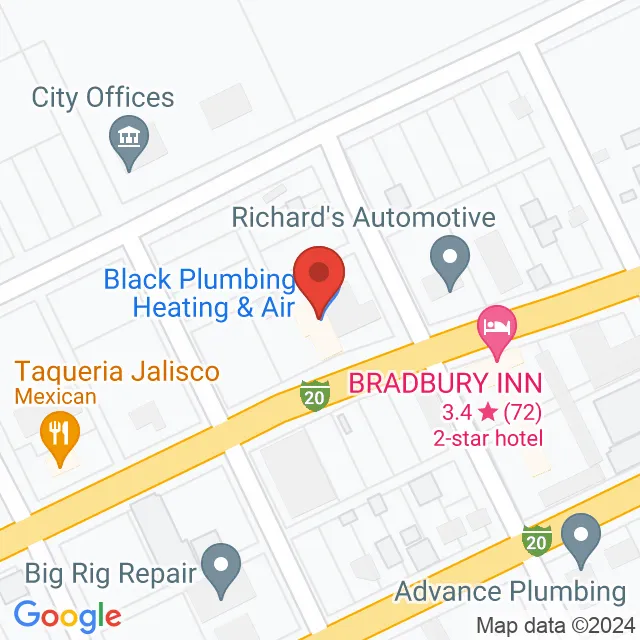
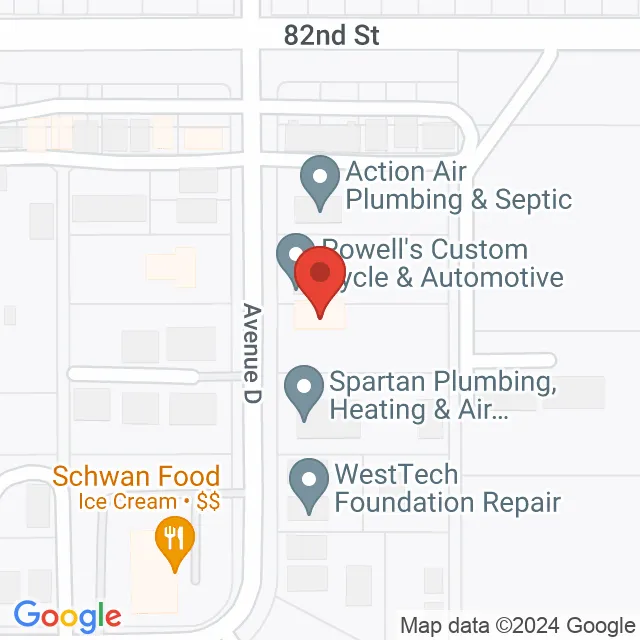
When your heater acts up, the first question should be about safety, not comfort. Is this a nuisance, like a slow warm-up or a rattling vent, or is it a warning that the system is unsafe to run? This post sorts the signs a Lubbock heater can give into three groups: stop now, call today, and book a visit soon. It draws on guidance from the U.S. Environmental Protection Agency and ENERGY STAR, and it explains what we check when we come out. Black Plumbing Heating & Air works from 8215 Avenue D in Lubbock, and we are open 24/7.
Why the safety question comes first
A heater that burns gas, oil, or any fuel makes combustion byproducts. When the equipment is working properly, those leave the house through the flue. When it is not, they can end up inside. The EPA’s page on carbon monoxide and indoor air quality describes carbon monoxide as an odorless, colorless, and toxic gas that can kill before you are aware it is in your home. It lists leaking chimneys and furnaces, back-drafting from furnaces, and worn or poorly adjusted combustion devices, including furnaces with an improperly sized, blocked, or leaking flue, among the sources.
The agency’s advice is direct: make sure combustion equipment is maintained and properly adjusted, and have a trained professional inspect, clean, and tune up the central heating system, including the furnace, flues, and chimneys, every year. That is the baseline. The signs below are what to watch for in between.
Stop and act now
These signs mean you should not keep running the heater. Get everyone out of the house if there is any chance of gas or carbon monoxide, and call from outside.
- A smell of gas. Do not turn anything on or off. Leave, and call your gas utility and then us.
- Headaches, dizziness, nausea, or confusion that clear up when you leave the house. The EPA lists these among the effects of carbon monoxide. At higher concentrations, it can be fatal. Treat this as an emergency and call for medical help if anyone is seriously unwell.
- Soot, scorch marks, or black staining around the furnace or vents. Those can point to poor combustion.
- A yellow, flickering, or lazy burner flame where it used to be steady and blue. That also suggests combustion trouble.
- Smoke or a strong burning smell that does not fade. A short burning smell the first time you run the heat after months off is often dust burning away. One that stays is not.
- A breaker that trips repeatedly when the heater starts. Do not keep resetting it.
Those are matters for a licensed technician, not for a weekend project. The ENERGY STAR maintenance checklist says that improperly operating gas connections are a fire hazard and can contribute to health problems, and that a dirty burner or a cracked heat exchanger can cause the equipment to run less safely and efficiently.
Call today
These do not usually require leaving the house, but they should not wait for the next tune-up.
- No heat at all. This matters most when anyone in the home is very young, older, ill, or otherwise sensitive to cold.
- The furnace starts, runs briefly, and shuts off, repeatedly. That short cycling can come from a dirty filter, a flame sensor, an overheating limit switch, or an airflow problem.
- Cool air from the vents while the furnace is running. Possible causes include ignition trouble or a lockout.
- Loud banging, grinding, or screeching. A failing blower motor or a loose part can do more damage the longer it runs.
- Water pooling near the furnace or a high-efficiency unit. This can be a condensate drain issue.
- The pilot light will not stay lit. If you smell gas, treat it as above.
Book a visit soon
- Uneven heat from room to room. ENERGY STAR notes that improper equipment operation, duct problems, or inadequate insulation could be the cause.
- Rising energy bills with no change in habits. The equipment may have become less efficient, or the ducts may be leaking.
- The heater takes longer than it used to to warm the house.
- More dust, or the air feels very dry. Leaky ducts and poor equipment operation can both cause it.
- A new but steady noise, such as a hum or a light rattle. It may be minor, but it is worth identifying.
- The system is more than 15 years old. ENERGY STAR’s replacement guidance advises considering replacement for a furnace of that age, particularly with frequent repairs.
What we check on a heater repair visit
ENERGY STAR’s heating checklist items give a good outline of what a thorough visit covers: gas or oil connections, gas pressure, burner combustion, and the heat exchanger. Here is how that plays out when we come to your Lubbock home.
- Ask what happened. When did it start, what do you notice, and what has changed?
- Check the basics. Thermostat settings, filter, power, and gas supply.
- Observe the startup. We watch the ignition sequence, the burner flame, and the blower.
- Inspect combustion and venting. Burner condition, flue connections, and signs of back-drafting or soot.
- Inspect the heat exchanger. A cracked exchanger is a safety issue. We tell you plainly if we see one and explain what it means.
- Test safety controls. The limit switches, flame sensor, and related controls.
- Explain the findings and the options. Repair, replace, or monitor, with our reasoning.
- Repair with your approval, then test. We run a full heating cycle and confirm it operates safely.
You can see how we handle urgent calls on our page for emergency heater repair in Lubbock, and the whole HVAC list is on the Lubbock heating and air services page.
A carbon monoxide plan every Lubbock home should have
- Install carbon monoxide alarms and check them on a regular schedule. The EPA’s page includes a section on alarms.
- Have your heating system inspected every year, ideally in the fall before you need it. ENERGY STAR suggests planning the check-up for the time change in the fall.
- Never use a portable generator inside a home, garage, or shed. The EPA’s page carries an alert on this.
- Do not use an oven or an unvented space heater to heat the house.
- Know the symptoms, and know that they clear up when you leave the house.
- Keep the area around the furnace clear of boxes and flammable items.
What you can do yourself
Some jobs are safe for any homeowner.
- Check the filter monthly. ENERGY STAR advises checking it every month during heavy-use months and changing it at least every three months. A dirty filter can increase energy costs and damage equipment.
- Check the thermostat. Mode, set point, and batteries.
- Keep vents and returns open. Blocked registers throw off airflow.
- Look at the breaker. Reset it once, and no more.
Do not open the burner compartment, adjust gas pressure, or bypass safety switches. Those jobs need a license and the right instruments.
When it is time to think about replacement
If your furnace is more than 15 years old, needs frequent repairs, or has a cracked heat exchanger, replacement may be the safer and more practical path. ENERGY STAR notes that a qualified furnace is about 15 percent more efficient than a conventional one. We explain the options and tell you honestly whether a repair is worth it. If replacement makes sense, we size the unit to the house and test it before we leave. For more on upgrading, see our post on energy-efficient heating in Lubbock and Abilene.
What Lubbock customers say
Jonah S., a Lubbock customer, wrote in September 2026 that the team is “always helpful and happy to help explain what the situation is and potential options for what work needs to be done.” For a safety question, that kind of plain explanation is what you are looking for. Wes R., another Lubbock customer, said in October 2026: “I wasn’t expecting Black Plumbing until the following week, but they sent a tech out and he was done in well under 20 minutes.”
Frequently asked questions about heater repair in Lubbock
Is it normal for a heater to smell the first time I turn it on?
A light burning-dust smell that fades within a short time is common after months off. A smell that lingers, a smell of gas, or any electrical odor is not normal. Shut the system off and call.
How do I know if I have a carbon monoxide problem?
You cannot see, taste, or smell it. Symptoms such as headache, dizziness, and nausea that ease when you leave the house are a warning. Carbon monoxide alarms and annual inspections are the main protections.
Should I keep running a heater that makes a strange noise?
If the noise is grinding, banging, or screeching, shut it off and call. A faint, steady hum may not be urgent, but it is worth having checked.
Can you repair a cracked heat exchanger?
A cracked heat exchanger is a safety issue, and it often points toward replacement of the furnace. We inspect it, show you what we see, and explain your options.
Call a Lubbock heating technician
If your heater is showing any of the signs above, call (806) 787-2200. We are at 8215 Avenue D, Lubbock, TX 79404, and Black Plumbing holds Texas HVAC license TACLA145786C. We answer 24/7, so tell us what you notice and whether everyone in the house is safe. You can also look over our full list of services on the Lubbock hub.