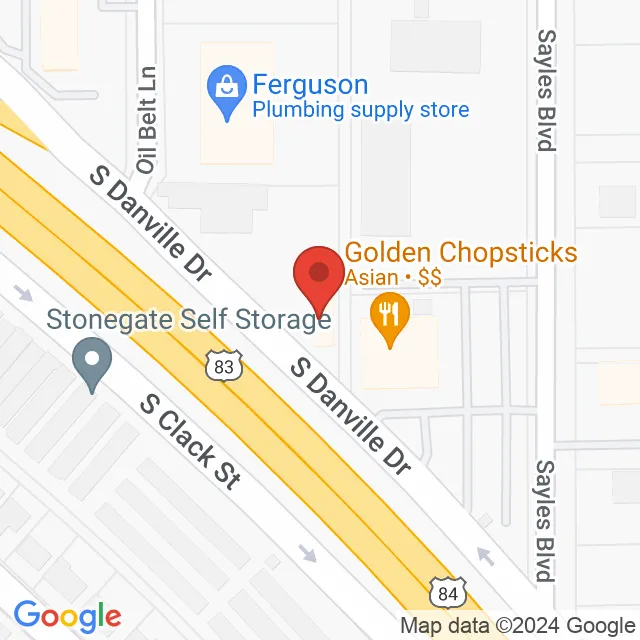
What does a furnace maintenance visit actually check, and why does it matter for safety as much as for comfort? Most people think of a furnace tune-up as a way to avoid a cold night. That is part of it. The other part is carbon monoxide, a gas you cannot see or smell, which can come from a heating system that is not burning or venting properly. This post walks through what a technician looks at during a visit, why each step matters and how to tell a thorough visit from a quick glance. Black Plumbing Heating & Air has worked out of 4402 S Danville Dr in Abilene since 1994, and we are open 24/7.
Why a furnace is a safety appliance first
The EPA describes carbon monoxide as an odorless, colorless and toxic gas. Because you cannot see, taste or smell it, the agency warns that it can kill you before you are aware it is in your home. Its page on carbon monoxide and indoor air quality lists furnaces among the sources, including back-drafting from furnaces and gas water heaters, and worn or poorly adjusted combustion devices where the flue is improperly sized, blocked, disconnected or leaking. Health effects range from fatigue and headaches at lower levels to impaired vision, confusion and nausea at higher ones. The EPA also notes that exposure can cause flu-like symptoms that clear up after you leave the home.
The agency’s advice on reducing exposure is direct: be sure combustion equipment is maintained and properly adjusted, and have a trained professional inspect, clean and tune up the central heating system, including the flue, each year. It also says to repair any leaks promptly. That is the reason we treat a furnace visit as a safety inspection with a comfort benefit, not the other way around.
What a furnace maintenance visit includes
ENERGY STAR’s maintenance checklist describes what a typical check-up should cover, and it is a useful way to hold any contractor to a standard. Here is how those items fit together during a visit.
Thermostat and controls
We check that the thermostat settings keep the home comfortable when you are there and save energy when you are away, and we check the system’s controls to confirm that it starts, runs and shuts off properly. A furnace that does not cycle correctly may be signaling a deeper problem.
Electrical connections and moving parts
The checklist calls for tightening electrical connections and measuring voltage and current on motors, because faulty connections can cause unsafe operation and shorten the life of major components. It also calls for lubricating moving parts, since parts that lack lubrication cause friction in motors and raise the electricity you use.
Gas connections, burner and heat exchanger
This is the heart of a safety check. For gas systems, ENERGY STAR lists checking all gas connections, gas pressure, burner combustion and the heat exchanger. It explains that improperly operating gas connections are a fire hazard and can contribute to health problems, and that a dirty burner or a cracked heat exchanger causes improper burner operation. Either one can make the equipment run less safely and less efficiently. We look at the flame, the burner and the heat exchanger, and we tell you what we see. Only a licensed technician should work on these parts.
Venting and flue
The EPA ties carbon monoxide to flues that are blocked, disconnected or leaking, so the vent path matters as much as the burner. We confirm the exhaust has a clear path out of the house and that connections are intact. If we find a problem, we explain it before we do anything else.
Condensate drain and filter
ENERGY STAR notes that a plugged condensate drain can cause water damage in the house and affect indoor humidity, and it asks homeowners to inspect, clean or change air filters once a month in a central system. A dirty filter can increase energy costs and damage equipment. We check the drain where your system has one, and we show you where the filter is and how to change it so that part of the job is easy to keep up.
Starting cycle and operation
Last, we run the furnace through a full starting cycle. We watch it ignite, run and shut off, and we confirm that heat is moving through the house. If a part is wearing, we explain what it is, what it does and what your options are. You decide. If something is not safe to run, we say so plainly.
Carbon monoxide alarms: a backup, not a substitute
The EPA’s page includes a section on carbon monoxide alarms, and we agree with the point behind it: an alarm warns you after gas is in the air, while maintenance helps prevent the problem in the first place. Use both. Test your alarms on a regular schedule, keep fresh batteries in them and know what to do if one sounds. If it does, get everyone out of the house into fresh air and call emergency services before you call us. Once the home is cleared, we can inspect the heating system.
How to tell a thorough visit from a quick look
You do not need trade knowledge to judge a maintenance visit. Pay attention to what the technician does and what you are told afterward.
- They ask about the furnace before they touch it. Noises, uneven rooms, odd smells and past repairs all guide the inspection.
- They look at the safety points, not only the filter. Burner, heat exchanger, gas connections and venting should all come up.
- They measure, not just look. Voltage, current and gas pressure are numbers, and a technician can tell you what they found.
- They run the furnace through a full cycle. Watching it start, run and shut down is the only way to see how it behaves.
- They explain in plain language. You should leave knowing what is healthy, what is wearing and what to watch.
- They do not add work without asking. If something else turns up, they stop and ask before they act.
If a visit feels rushed, ask what was checked. A good technician is glad to answer.
Older homes and older furnaces
Abilene has older neighborhoods near downtown and the ACU area, and a furnace in an older house may share space with equipment and venting that were designed around a different layout. If you have an older furnace, or one you did not install, a first visit is also a chance to find out how the venting is routed, where the shutoffs are and what the nameplate says about the model. That information helps you plan. If the furnace has reached the point where repair no longer makes sense, we explain why and discuss replacement, and you decide on the timing.
Signs you should not wait for a scheduled visit
- A yellow or flickering burner flame instead of a steady blue one.
- Soot or scorch marks around the furnace.
- Headaches, dizziness or nausea in the household that ease when you go outside.
- A burning or gas smell. Leave the house and call the gas utility.
- Strange noises such as banging, rattling or squealing.
- Short cycling, where the furnace turns on and off repeatedly.
- Uneven heat, or rooms that never warm up.
For a heating failure on a cold night, our emergency heating repair in Abilene page explains how those calls run.
When to schedule maintenance
ENERGY STAR suggests checking the heating system in the fall, because contractors get busy once the cold arrives. For Abilene homes, that means putting the visit on the calendar before the first cold snap. Our post on Abilene HVAC tips for fall covers what else to check around then. If you moved into a house recently and do not know the age or condition of its furnace, a first visit tells you where you stand.
Our Abilene reviews
A heating visit is a good moment to ask questions, and a good contractor welcomes them. Google shows the Abilene office at 4.8 out of 5 from 1,350 reviews, and you can read them before you decide who to call.
Related services in Abilene
- Furnace repair and installation in Abilene for repairs and replacements.
- Furnace installation services when it is time for a new system.
- Indoor air quality solutions for filtration and ventilation concerns.
- Our Abilene location page for every service we offer here.
Frequently asked questions about furnace maintenance in Abilene
Can I do furnace maintenance myself?
You can change the filter and keep the area around the furnace clear. Work on gas connections, burners, heat exchangers and venting should be done by a licensed technician. We hold Texas HVAC (ACR) license TACLA145786C.
What is a cracked heat exchanger?
It is a crack in the metal surface that separates the burner flame from the air that heats your home. ENERGY STAR lists a cracked heat exchanger as a cause of improper burner operation that can make the equipment run less safely. A technician checks for it during a visit.
Will maintenance keep my furnace from ever breaking down?
No visit can promise that. Maintenance finds wear and small faults while they are manageable and checks the safety points. It reduces surprises, but it does not remove every risk.
What should I do if my carbon monoxide alarm goes off?
Get everyone outside into fresh air and call emergency services. Do not go back in until the home is cleared. Then call us so we can inspect the heating system.
Schedule furnace maintenance in Abilene
To schedule a furnace visit, call our Abilene office at (325) 675-8391 or stop by 4402 S Danville Dr, Abilene, TX 79605. We are open 24/7.